
A Farrier’s Guide to Cross-Country Traction and Hoof Health
Spring is one of the most exciting times of year for event riders. Horses are coming back into work, conditioning programs are ramping up, and cross-country season is just beginning. However, from a hoof-care standpoint, spring also presents some of the most challenging conditions we see all year.

Wet footing, deep mud, rapidly changing ground conditions, and softer hooves can create a perfect storm for lost shoes, abscesses, and traction issues. For horses competing in cross-country eventing, traction devices—commonly known as studs—play a major role in helping horses safely navigate the course. But traction alone is only part of the equation. Proper stud selection, shoeing preparation, and hoof care management are all essential for keeping a horse sound and competitive throughout the spring season.
From my experience shoeing performance horses, especially those competing in eventing and other high-impact disciplines, preparation for spring footing begins long before the horse ever steps onto a cross-country course.
UNDERSTANDING THE ROLE OF STUDS
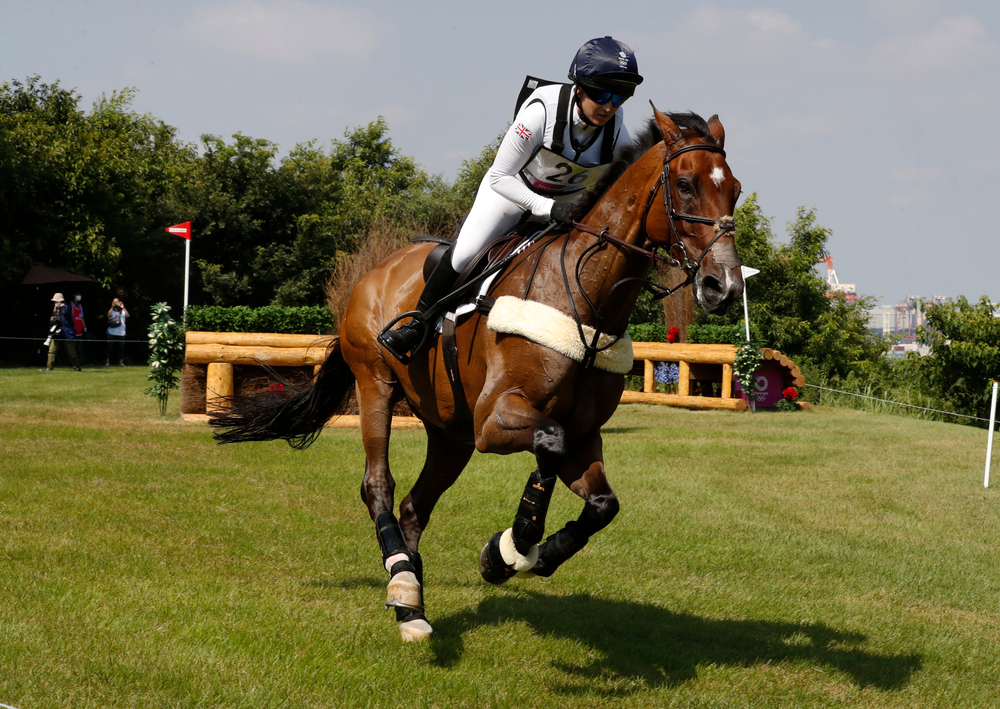
Studs are traction devices that screw into threaded holes in the horseshoe. Their purpose is to improve grip and stability when horses are working on surfaces that may otherwise be slippery or inconsistent.
Cross-country courses frequently involve multiple footing types including:
• Mud
• Damp turf
• Loose turf
• Loose soil
• Sand or prepared footing
• Water hazards
Each of these surfaces can affect traction differently. Without adequate grip, horses may slip during turns, while jumping, or during acceleration and deceleration phases. Studs help provide stability and confidence for both horse and rider.
WATER HAZARDS

Water complexes introduce a completely different type of footing challenge compared to standard turf or mud. When a horse enters and exits water, the hoof transitions rapidly between submerged footing, slick saturated ground, and often uneven or churned-up takeoff and landing zones.
The ground at the entry and exit of water obstacles is frequently some of the most unstable on course. Horses may encounter:
- Slick clay-like footing
- Deep, suction-heavy mud
- Uneven divots from previous competitors
- Sudden changes in traction when moving from water to land
This creates a situation where controlled traction becomes critical. Too little traction increases the risk of slipping on exit, while too much traction can “lock” the foot into the ground, increasing strain on soft tissue structures during push-off.
From a farrier standpoint, water hazards are one of the biggest reasons to carefully select stud size and placement. Horses need enough grip to confidently push out of the water, but not so much that the limb cannot naturally rotate and release. However, traction must always be balanced. Too little traction increases the risk of slipping, but excessive traction can increase stress on joints, ligaments, and tendons.
The goal is always controlled traction, not maximum traction.
CHOOSING THE RIGHT STUDS

Not all studs are created equal. Event riders and farriers typically use different stud sizes depending on footing conditions.
SMALL STUDS
Small studs are often used when the footing is slightly soft but still relatively firm. They provide moderate grip without dramatically increasing torque on the limb. These are commonly used when:
- Ground is damp but not deep
- Grass footing is slightly slick
- Arena footing is slightly loose
MEDIUM STUDS
Medium studs provide more aggressive traction and are commonly used in typical spring cross-country conditions where the ground is soft or slightly muddy.
These studs help stabilize the horse during takeoff and landing phases of jumping.
LARGE OR MUD STUDS
Large studs are typically reserved for extremely wet conditions. These provide significant grip but should be used cautiously.
When footing becomes deep or muddy, large studs can prevent slipping but may also increase the mechanical stress placed on joints during sharp turns.
For this reason, communication between rider and farrier is important when determining the best stud setup for a specific competition.
DRIVE-IN STUDS vs. SCREW-IN STUDS
In addition to stud size, the type of stud being used plays a major role in how traction is applied and how the horse interacts with different footing conditions.
DRIVE-IN STUDS: PERMANENT OR SEMI-PERMANENT

DRIVE-IN STUDS are hammered into the shoe and remain fixed in place. These are typically smaller in size and are often used in more consistent footing conditions.
👍 ADVANTAGES:
- Simple and quick to install
- Less maintenance during competition
- Lower profile, reducing excessive torque
⚠️ LIMITATIONS:
- Cannot be easily adjusted once installed
- Limited versatility when footing changes
- Less effective in deep mud or marshy terrain
DRIVE-IN STUDS are generally best suited for:
- Slightly soft ground
- Damp turf
- Situations where only mild traction is needed
SCREW-IN STUDS (REMOVABLE & ADJUSTABLE)

SCREW-IN STUDS are the standard for cross-country eventing because they allow the farrier and rider to adapt traction to the exact footing conditions on competition day.
👍 Advantages:
- Fully customizable traction
- Easy to swap sizes based on conditions
- Better performance in variable terrain
⚠️ LIMITATIONS:
- Require proper threading and maintenance
- Must be installed correctly to avoid imbalance
- Increased traction can increase limb stress if overused
PERFORMANCE IN MUD & MARSHY TERRAIN

In deeper mud or marsh-like conditions, the difference between these two becomes very noticeable.
- Small drive-in studs tend to get lost in deep footing and provide minimal grip
- Larger screw-in studs penetrate deeper into the ground, allowing the horse to “grab” and push off more effectively
⚠️ However, this comes with a trade-off!
In sticky, suction-heavy mud, larger studs can increase resistance during breakover, meaning the foot stays in the ground longer. This can:
- Increase strain on tendons and ligaments
- Reduce the horse’s ability to quickly adjust footing
- Increase fatigue over the course
This is why stud selection should always be based on balance—NOT MAXIMUM TRACTION.
STUD PLACEMENT & BALANCE
Stud placement is just as important as stud size.
Most event horses will have two stud holes per hind shoe and occasionally one per branch on the front shoes depending on the horse’s needs and discipline level.
Balanced stud placement helps prevent uneven loading on the limb. Improper placement or uneven stud sizes can cause the horse to land unevenly, increasing the risk of strain or injury.
Farriers must ensure that stud holes are:
- Properly tapped
- Clean and free of debris
- Positioned to maintain shoe balance
Additionally, stud holes should always be protected with stud hole plugs when not in use. Dirt and debris packed into the holes can make it difficult or impossible to insert studs on competition day.
PREVENTING SHOE LOSS IN SPRING MUD

One of the most common problems we see during the spring season is lost shoes. Muddy footing creates suction around the hoof, and when a horse pulls its foot from deep mud, that suction can literally pull the shoe off.
There are several strategies farriers use to reduce the risk of shoe loss during these conditions. These are:
PROPER NAIL PLACEMENT
🧲 One of the most basic but important elements of shoe retention is proper nail placement. Nails should be positioned to provide secure hold while maintaining hoof integrity.
🧲 Weak walls, flares, or compromised hoof quality can reduce nail security, which increases the likelihood of shoe loss in muddy conditions.
🧲 Maintaining a regular trim schedule plays a significant role in keeping the hoof wall strong and balanced.
SUPPORTING STRONG HOOF WALLS
While farrier work plays the primary role in maintaining hoof integrity, there are additional management factors that can influence hoof wall strength and quality. Some of these are:
🧲 NUTRITION (Internal Support)

Hoof quality starts from within. A well-balanced diet that supports keratin production is essential.
Key nutrients include:
- Biotin
- Methionine & Lysine
- Zinc & Copper
Consistent, long-term nutritional support is often more effective than short-term supplementation.
🧲 TOPICAL APPLICATIONS (External Support)
Topical hoof products can help manage moisture balance, which is especially important in spring conditions. These conditions include:
- In excessively wet conditions, some products help reduce over-softening
- In dry conditions, others help retain moisture
Topicals support the environment of the hoof but do not replace internal nutrition.
ENVIRONMENTAL MANAGEMENT
Constant exposure to wet conditions followed by drying cycles can weaken the hoof wall over time.
Managing the following can make a significant difference in hoof strength and durability:

- Stall cleanliness
- Turnout conditions
- Regular hoof picking
BOTTOM LINE
Strong hoof walls are the result of consistent farrier work, proper nutrition, and good management practices working together.
CLIPS FOR ADDITIONAL SECURITY

Toe clips or quarter clips can help stabilize the shoe and reduce the amount of movement between the shoe and hoof wall.
In muddy conditions, clips act as an additional anchor point that helps prevent the shoe from shifting or being pulled off by suction.
APPROPRIATE SHOE FIT
A properly fitted shoe should support the hoof without excessive overhang.
Shoes that extend too far beyond the hoof wall can act like a lever in deep footing. When the horse pulls its foot from the mud, the ground can catch that extension and increase the likelihood of the shoe being ripped off. Balanced, correctly fitted shoes help minimize that risk.
PREVENTING SPRING ABSCESSES

Wet spring conditions can also create an environment where hoof health issues such as abscesses become more common.
Constant exposure to moisture softens the hoof capsule and can allow bacteria to enter through small cracks, nail holes, or areas of white line separation. This is most effectively done by maintaining regular 4-week farrier visits to help maintain hoof balance, and reduce excessive wall stress.
KEEPING HOOVES CLEAN & DRY WHEN POSSIBLE
While mud is unavoidable, regular hoof picking and clean environments reduce bacterial exposure.
🧲 MONITORING THE WHITE LINE. Addressing separation early prevents deeper infection.
🧲 AVOIDING OVERLY SOFT HOOVES. Some topical products may help regulate moisture balance when used appropriately.
COMMUNICATION BETWEEN RIDER, TRAINER, & FARRIER

One of the most important factors in preparing a horse for cross-country season is communication.
The farrier should understand:
- The horse’s competition level
- Expected footing conditions
- Stud usage frequency
- History of lost shoes or abscesses
With that information, the farrier can design a shoeing plan that supports both performance and hoof health.
FINAL THOUGHTS

Spring eventing season brings excitement, energy, and fresh opportunities for both horse and rider. But it also brings unpredictable footing conditions that require careful preparation.
Studs provide essential traction for cross-country performance, but they must be used thoughtfully and in balance with the horse’s biomechanics. At the same time, attention to shoe fit, hoof quality, and preventative hoof care can dramatically reduce the risk of lost shoes and spring-related hoof problems.
When riders, trainers, and farriers work together, horses can navigate cross-country courses safely and confidently—even in the unpredictable conditions that spring often brings.
Social Media:
READERS: PLEASE ASK QUESTIONS & COMMENT IN THE FORUM BELOW