Few diagnoses strike fear quite like kissing spine.
The words alone can feel like a career-ending sentence. Suddenly, every resistance, every difficult transition, every hollow moment in the canter, begins to make sense. Owners replay months, if not years of training sessions–wondering whether their horse has been in pain all along. The reality isboth more complex, but also more hopeful, than many owners realise.
It is always fascinating to see how some horses with dramatic radiographs manage to perform at high levels—even up to Grand Prix or even higher (than Grand Prix?) the Olympics)without obvious signs of discomfort. Others with low-grade kissing spine struggle to maintain a relaxed trot circle. Some improve significantly with therapeutic exercises, while others need surgery to return successfully.
Generally said, horses tend to show less overt behaviours compared to the grade of kissing spine that the x-ray shows, which is why owners need to be very aware of the small signals that are easy to miss.
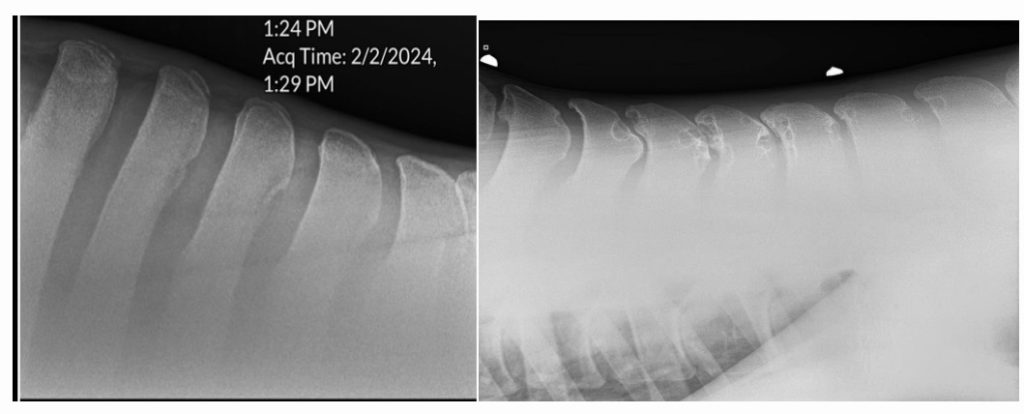
Image 1: X-rays often do not correlate to how the horse behaves and moves. Left: low-grade kissing spine Right: High grade KS with bone remodelling.
WHEN THE BACK IS NOT THE WHOLE STORY
One of the biggest lessons I have learned through years of bodywork and rehabilitation is that the spine is often the final stop in a chain of dysfunction, rather than the starting point.
Kissing spine is not simply a condition of bones touching. It is a result of an incorrect movement, incorrect loading patterns, and posture, neuromotor control, and sometimes years of compensation.
We now know that most kissing spine cases originate from lameness, with a higher prevalence of hindlimb lameness; which is why often after surgery, the horse appears lame—as we took away their “compensatory mechanism.”
At HORSI, I focus my rehabilitation programs on treating the primary cause—firstly identifying the compensatory movement patterns via static and dynamic analysis and addressing the tense muscle groups and fascia with palpation; alongside the pain management plan recommended by the veterinarian.
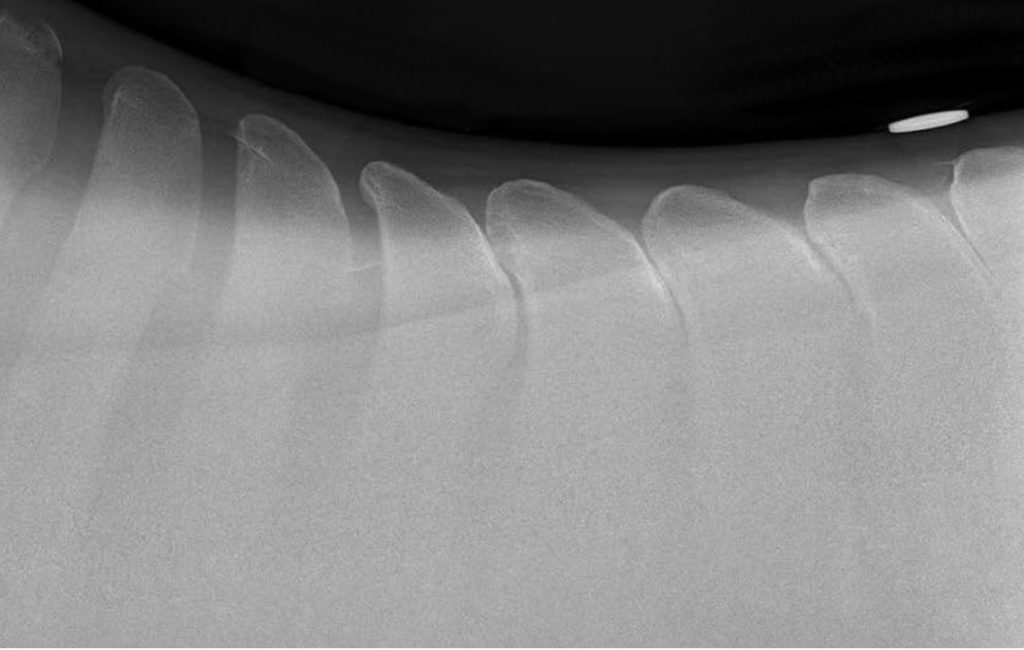
Image 2: “Kissing spine is not simply a condition of bones touching.”
THE DRESSAGE PARADOX
Dressage should theoretically be the ideal discipline for horses with spinal health concerns. After all, we spend our lives talking about engagement, self-carriage, lifting the back, developing the topline, and stepping under.
So why are dressage horses so predisposed to kissing spine? The answer lies partly in the demands of the sport and partly in management of our equine athletes.
Dressage asks a horse to repeatedly shift weight onto the hindquarters while maintaining spinal stability and freedom through the back. This requires extraordinary coordination between the abdominal muscles, the multifidus, and the pelvis, as well as the hindlimbs, and the thoracic sling—repeatedly to at the higher levels of the sport.
If the scales of training are executed appropriately, the horse appears effortless. If not, the back can become the area where the horse’s body absorbs the forces of compression and alsoconcussion to some extent. Over time, repeated compression through the dorsal spinous processes may contribute to the development, or worsening, of kissing spine.
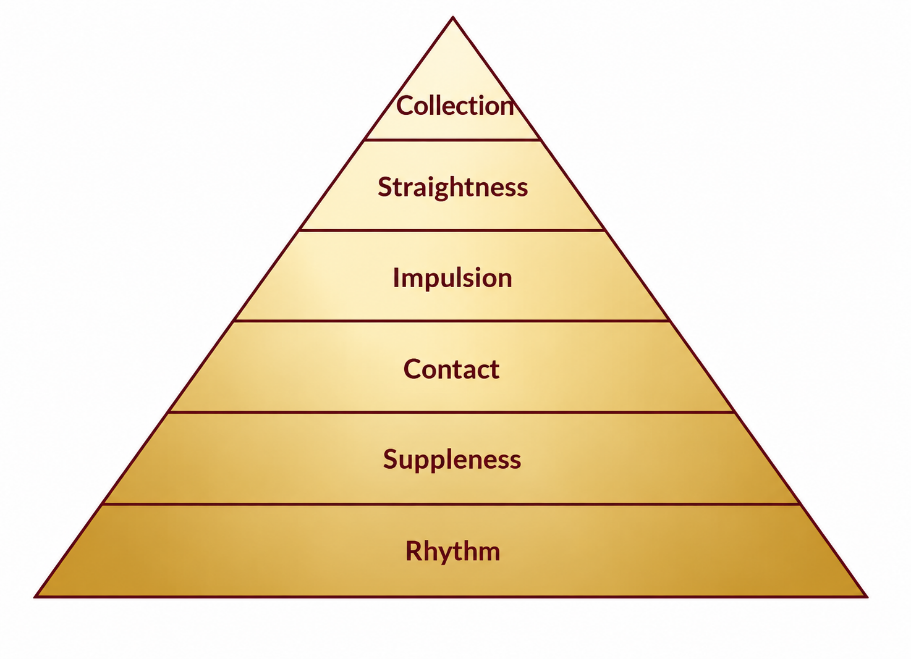
The scales of training
If there is pain or discomfort in the horse’s body (such as subtle lameness or gastric ulcers), bracing the back and the neck is a common compensatory response. Consider the horse with weak abdominal engagement, limited hind limb flexion, reduced pelvic mobility, a saddle that restricts scapular movement. Maybe even add a stressful environment that makes the horse brace its muscles, or a rider who unknowingly stabilises through the reins rather than through the seat. Eventually, the rider notices that the contact becomes heavy, the neck gets stiff, tendons in the limbs get swollen,and even the hoof and surrounding structures remodel as they are now what has been carrying the extra load that the back is not taking. Importantly, however, the bony changes in the spine itself are often the final stop in a chain of dysfunction rather than the starting point.
WHEN “NAUGHTY” IS ACTUALLY UNCOMFORTABLE
Pain and discomfort often go hand-in-hand with undesired behaviours. As an equine therapist and behaviourist, some of the most common statements I hear is:
🐴 “He is naughty, always pins his ear back.”
🐴 “His back is just sensitive but not painful.”
🐴 “He tends to rear up for no reason.”
🐴 “He has always been difficult.”
🐴 “Something’s just not quite right but I can’t put my finger on it.”
🐴 “He is funny about the saddle.”
🐴 “He won’t stand for mounting.”
🐴 “Recently he does not want to be caught in the paddock.”
🐴 “He started bucking during canter transitions, he is probably just fresh.”
🐴 “He suddenly explodes in medium trot.”
When a rider is highly motivated, unfortunately, it can sometimes make it easier to miss subtle signs of discomfort because we become solely focused on solving the training puzzle, therefor it is very important to be aware of the subtle sings, or ideally have a professional out at least every 6 months to evaluate the horse. Once we have a diagnosis, at some point the question shifts from: “Why won’t he do it?” to “What is he trying to tell me?” That distinction is where meaningful rehabilitation begins.
Could some horses be born with a greater risk of developing kissing spine? Research suggests the answer may be yes.
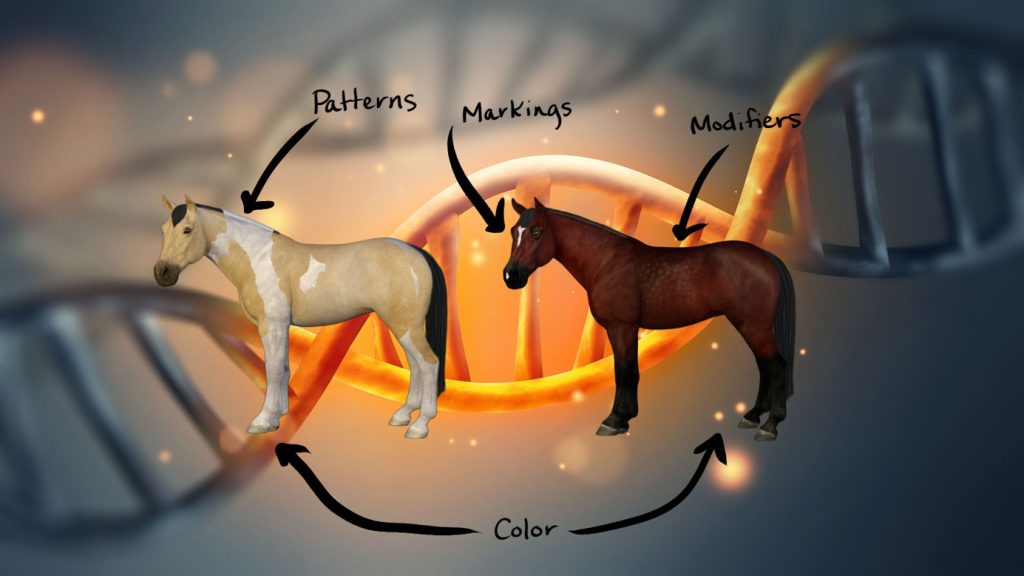
THE GENETIC 🧬 PREDISPOSITION TO KISSING SPINE IN HORSES
While factors such as training, saddle fit, workload, and overall management all play a role in back health, a horse’s genetics may also influence its susceptibility to the condition. Traits such as back shape, spinal alignment, and overall conformation MAY be inherited—potentially affecting how much space exists between the vertebrae.
It is believed that some breeds appear to be diagnosed with kissing spine more often than others, hinting at an underlying genetic influence. However, genetics is only part of the story. Many horses with conformational risk factors never develop clinical signs, highlighting the importance of good management and training, proper conditioning, and early recognition of back discomfort.
WHAT THERAPISTS ACTUALLY SEE
A horse with kissing spine often presents with a surprisingly predictable pattern: Primary lameness, even if subtle; heavy on the reins; an atrophied topline, hypertrophied ascending pectorals and muscles of the limb.
Additionally,even BEHAVIOURAL ISSUES such as being hard to catch, shying away from the saddle, or being girth-shy (due to a tight, overused ascending pectoral muscle) and conflict behaviours during work. The horse struggles to maintain trueself-carriage. Transitions become increasingly difficult, canter quality deteriorates, collection becomes mechanical rather than elastic.
The horse learns to protect itself. Unfortunately, protection and performance rarely coexist successfully.
When we focus exclusively on the painful area, we often miss the factors which created excessive loading there in the first place.
Owners are often surprised when I spend very little time working directly over the back. Ironically, that is often where therapists spend the least amount of time. Instead, we ease muscles that have been overloaded from compensating. We examine how the horse stands, how the ribcage moves, how the pelvis rotates, how the thoracic sling functions, whether the neck is being used as a balancing pole rather than a mobile structure.
THE MYTH OF “LIFTING THE BACK”
Ask ten dressage riders how to help a horse with kissing spine and most will say some variation of: “He needs to lift his back.“ They are not wrong, but the phrase is often misunderstood…When the abdominal muscles engage, when the hindlimbs step underneath, and the thoracic sling supports the trunk, and the back elevates consequently.
It should be thought of as a result, not a goal. This matters because many rehabilitation programmes focus excessively on head and neck position and back lifts.
A horse travelling with its nose in a desirable location with the back lifted can still be moving with significant spinal bracing.True rehabilitation comes not by simply changing the frame,but from changing how force travels through the body.
WHY CORE STRENGTH MATTERS MORE THAN MOST PEOPLE THINK
In practice, one of the most consistent findings I see is a lack of true core stability. Many of these horses are fit, muscular,and in regular work—yet they struggle to engage the deep stabilising muscles needed to support the spine effectively.
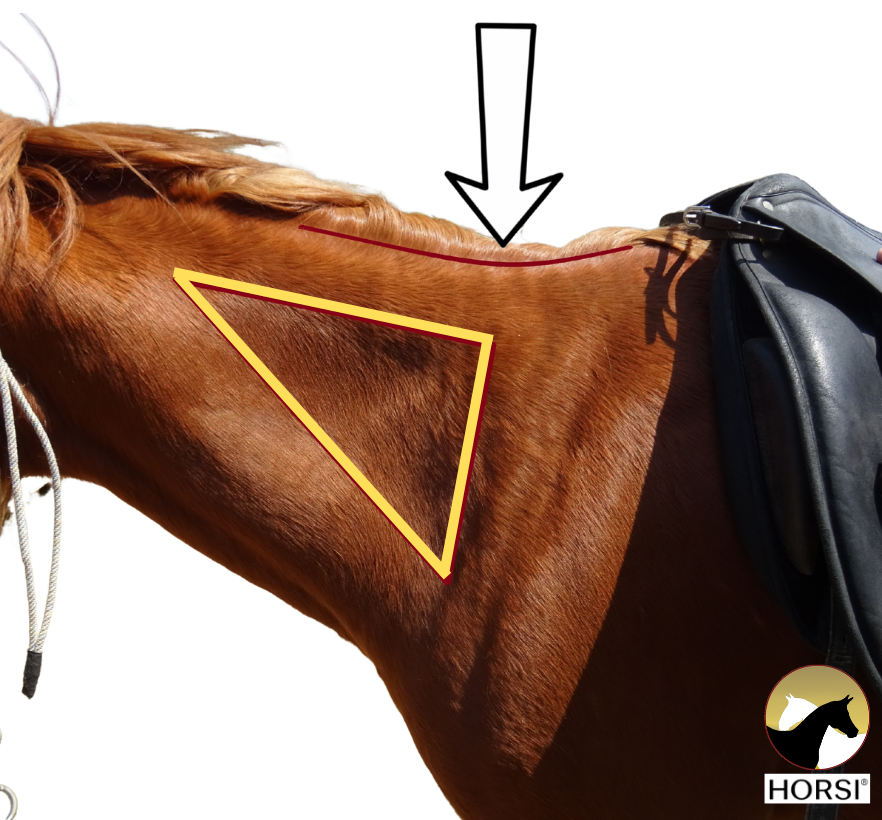
During static analysis, when I first look at a horse, these patterns can be identified almost instantly. Some of the most common signs is an indentation on the side of the neck in a triangular shape—often also accompanied by a dip in front of the withers.
If you see this on your horse, it is highly recommended that you arrange a time for an assessment by a vet and a qualified equine bodyworker or physiotherapist.
Core muscles can be engaged by specific exercises, on an individual basis.
A carefully structured rehabilitation programme can be the difference between the horse returning to full work or being retired. Having a great team of professionals: a vet, an equine bodyworker or physiotherapist, equine chiropractor, trimmer/farrier and dentist is worth more than gold.
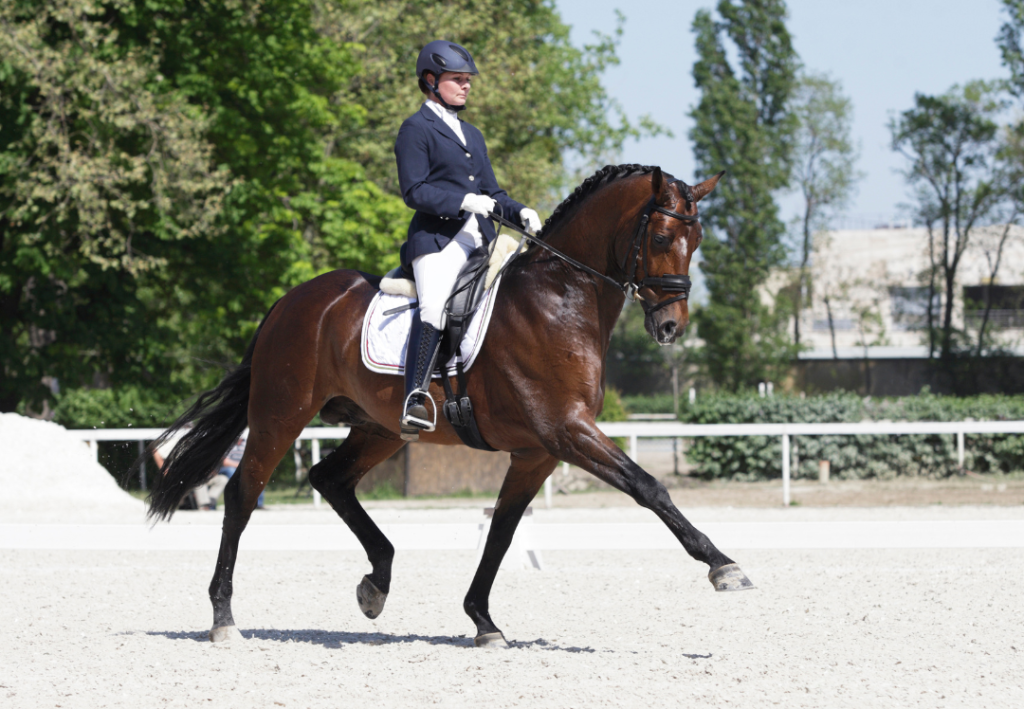
A horse returning to full work after kissing spine diagnosis.
Surgery can change anatomy, but it does not automatically change movement patterns that may have developed over months or years. Research has shown that deep spinal stabilisers, particularly the multifidus muscles, play a crucial role in spinal support. These muscles are often reduced in size and function in horses with back pain. The challenge is that these are not muscles we can easily see.
A horse may appear muscular, while still lacking effective spinal stability.
This is one reason some horses seem fit enough for advanced dressage work, yet continue to struggle with chronic back discomfort.
Strength is not the same as stability. And stability does not necessarily mean quality movement yet. The best rehabilitation programmes take the horse’s natural properties and lifestyle in consideration and develop all three.
EXERCISE & MANAGEMENT STATEGIES THAT OFTEN HELP HORSES WITH KISSING SPINE
Every horse requires an individual assessment and rehabilitation plan. However, several key principles consistently feature in successful programmes for horses affected by kissing spine.
🧑🏻⚕️ REGULAR BODYWORK & PHYSIOTHERAPY SESSIONS
Manualtherapy performed by a qualified equine bodyworker or physiotherapist can play an important role in rehabilitation. By helping to relieve muscle tension and discomfort, these professionals can support the development of healthier movement patterns, improved posture, and more effective use of the topline. When selecting a practitioner, look for someone who is appropriately qualified and registered with a recognised professional organisation such as IEBWA or RAMP (🇬🇧🇭🇺)


☯️ A CALM, LOW-STRESS ENVIRONMENT
Stress and tension often cause horses to elevate the head and neck while bracing muscles that should remain relaxed. This posture can exacerbate compensatory movement patterns and hinder rehabilitation. Wherever possible, aim to keep affected horses in a quiet, predictable environment rather than on a busy yard.
🏞️ OPTIMAL TURNOUT CONDITIONS
The ideal paddock for a horse with kissing spine encouragesnatural movement and behaviour. Soft ground, gentle inclines, and relatively even terrain can help promote comfortable, balanced movement. Access to quality grazing and opportunities to browse around from varying heights further encourage healthy posture and movement.

🪣Adequate resources (such as hay, water, and salt block) should be readily available–without competition from other horses. At the same time, turnout within a compatible herd allows for valuable social interaction and supports the horse’s overall mental wellbeing. Together, these factors contribute to passive rehabilitation by encouraging natural behaviours and reducing physical and psychological stress.
INDIVIDUAL REHABILITATION PROGRAMME
A quality rehabilitation programme set up for your horse specifically, by a qualified equine bodyworker of physio can go a long way. These typically include regular manual therapy, pole-work and other rehabilitational groundwork exercises, the use of Equicore and carrot stretches, as well as light hill work when appropriate. Make sure you check the exercises with your chosen bodyworker first, ideally one who works with only vet approvals. Not all of the above exercises are appropriate for all kissing spine cases— it heavily depends on the individual horse and the grade of kissing spine.
DYNAMIC MOBILISATION EXERCISES, and carefully structured rehabilitation can rebuild movement patterns without the added challenge of carrying a rider.
AVOID: lunging in the early stage, poles set up too high, uneven or hard ground and the use of most training aids—consult your bodyworker or physio for recommendations.
PATIENCE: Many kissing spine horses are masters of compensation. Crookedness allows them to avoid loading uncomfortable areas. Improving straightness often reveals weaknesses before it creates strength. Patience and consistency is essential.
WHAT ABOUT “SURGERY?”
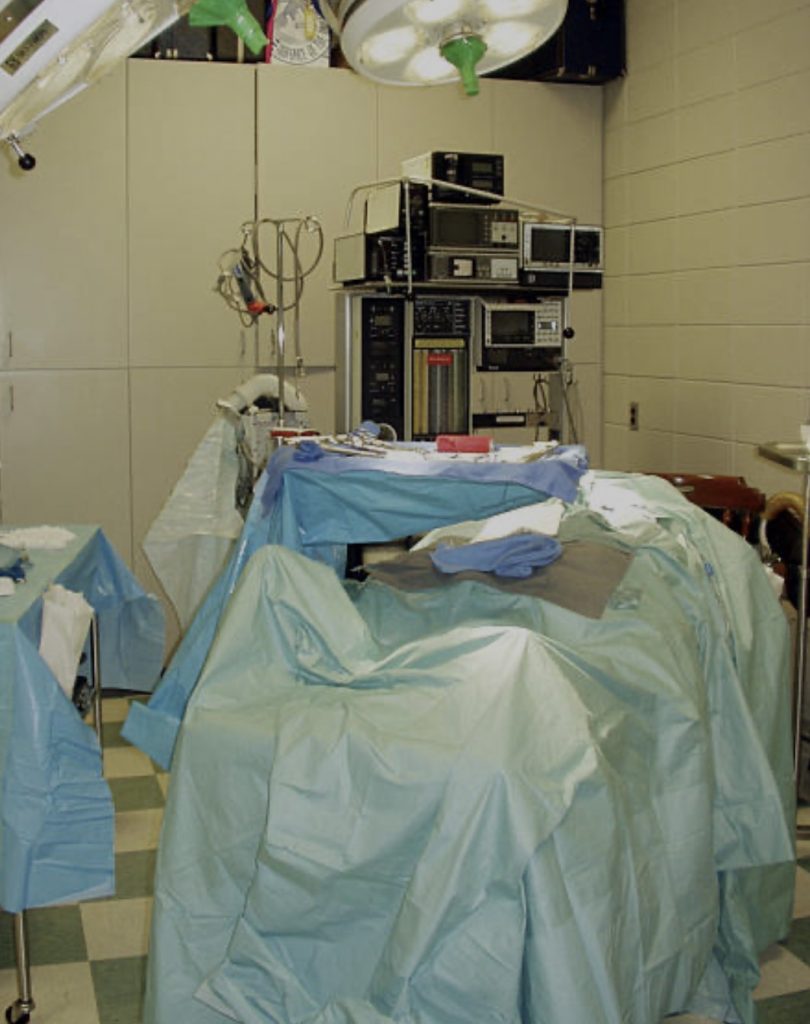
The question everyone eventually asks.
Modern surgical outcomes are generally encouraging, particularly when appropriate case-selection and rehabilitation follow. However, surgery addresses anatomical structures. It does not automatically solve movement patterns.
A horse that has spent years protecting itself will not instantly develop correct biomechanics because bone has been removed, or ligament structures have been altered. This is why postoperative rehabilitation is often the determining factor in long-term success. There is also a scientific debate about whether neurectomy (as a result of surgery) is actually thereason why symptoms and pain responses improve significantly after the surgery, and the ethics of returning a horse into full work—this is still being studied (long term).
KISSING SPINE🍎FOOD FOR THOUGHT
In dressage, we often ask: “Can this horse return to work?“while a more useful question is: “Can this horse return to quality movement?” Because quality movement is what protects the spine.
The horses that do best long term are rarely the ones rushed back into collection. They are ones who:
🍎 had received ample time to rebuild strength, coordination, confidence, and postural control.
🍏The horses whose owners learn to see movement differently.
🍎 Owners/riders who’s training shifts from producing a frame–to producing a functional athlete.
5-KEY TAKEAWAYS
🛟 Kissing spine diagnosis is actually the beginning of understanding why a horse has been struggling.
🧬Genetic predisposition is an important factor that should be considered.
🧑🏻⚕️🩻🧲 A good team of professionals is worth more than gold.

🐴 The spine does not operate in isolation and kissing spine is rarely just about bones touching. When we stop viewing the condition as an isolated spinal problem and start viewing it as a whole-horse movement challenge, rehabilitation becomes far more effective.
💖✨When you go back to the basics, restoring confidence, and helping the horse move the way its body was designed to move, the results can be astonishing.
If you need help in rehabilitating your horse with kissing spine, get in touch with HORSI®. (Where will you travel?UK? Ireland? Hungary?) I travel to most places upon request 😊
🤗 Special thanks to the kind owners who voluntarily shared their x-rays with HORSI® for educational purposes.
PLEASE PARTICIPATE IN CONVERSATION ABOUT THIS ARTICLE IN THE FORUM BELOW!
SOCIAL MEDIA: