Good training promotes soundness and longevity in the horse, bad training does not.
A lot of things are taught to riders without the explanation of why. Why do riders ask the horse to “Go on the Bit?”
❓Why do riders ask the horse to “lift its back?”
✅ Is it just to make them more athletic? Why do riders stretch them side to side and front to back? And why do riders ask the horse to carry more weight on their hind legs?
✅ Horses are not designed by nature to carry a human’s weight on their backs and yet we ask them to. Good training not only advances them in the chosen discipline, but it should also help the horse carry the weight of a rider and to stay sound over time.
WHY “ON THE BIT?”
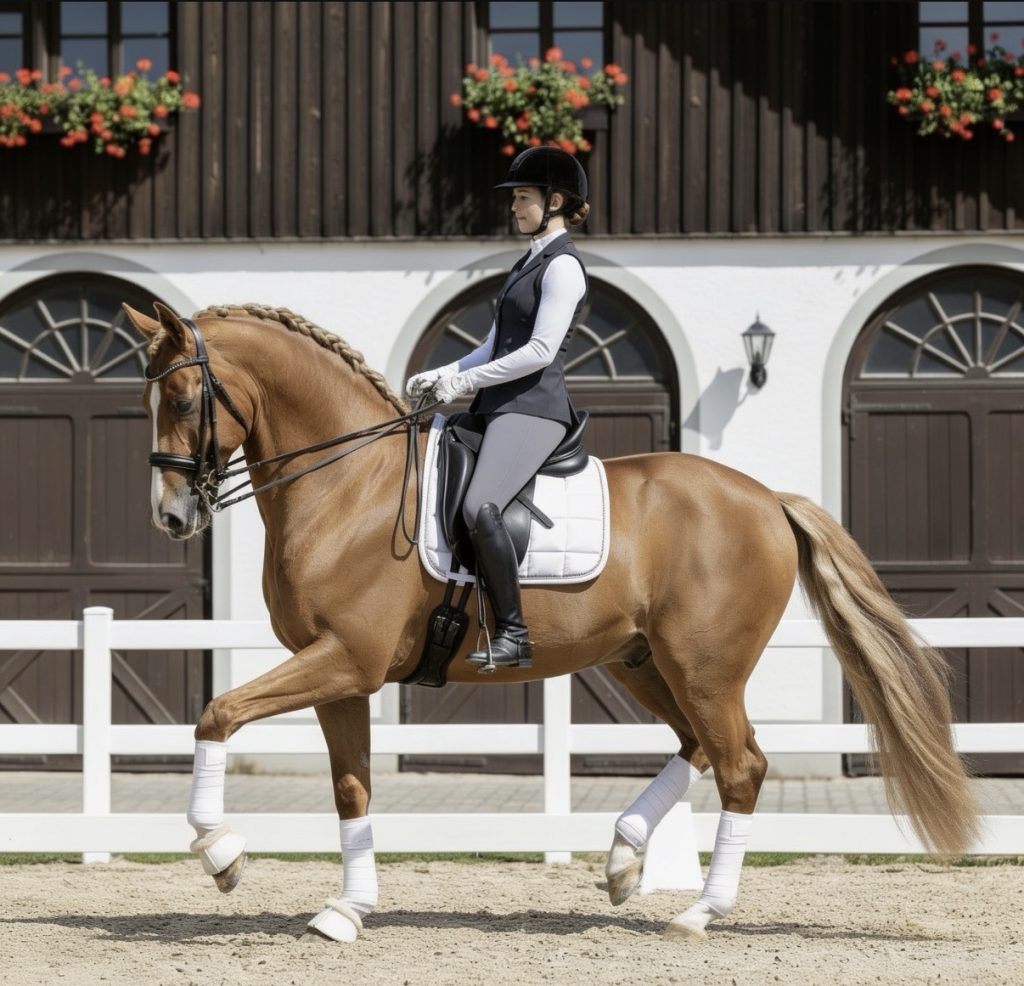
Seeing a horse with an arched neck and its profile close to the vertical is impressive, magnificent even, but why are the horses in most disciplines being asked to do this? Is it just to create a “look?”
The answer is, “No.”
When the horse flexes its neck at the poll and reaches forward to the bit, the ligament that goes from the poll of the horse to the wither, the nuchal ligament, is pulled forward, pulling the spinal processes forward. This pulls the ligament running along the back vertebrae, which attaches at sacrum, pulling the supraspinous ligament forward, and doing so lifts the horse’s back—spreading the vertebrae apart. This not only helps the horse engage its back to be more athletic, it helps the horse carry the rider without damaging its spine.
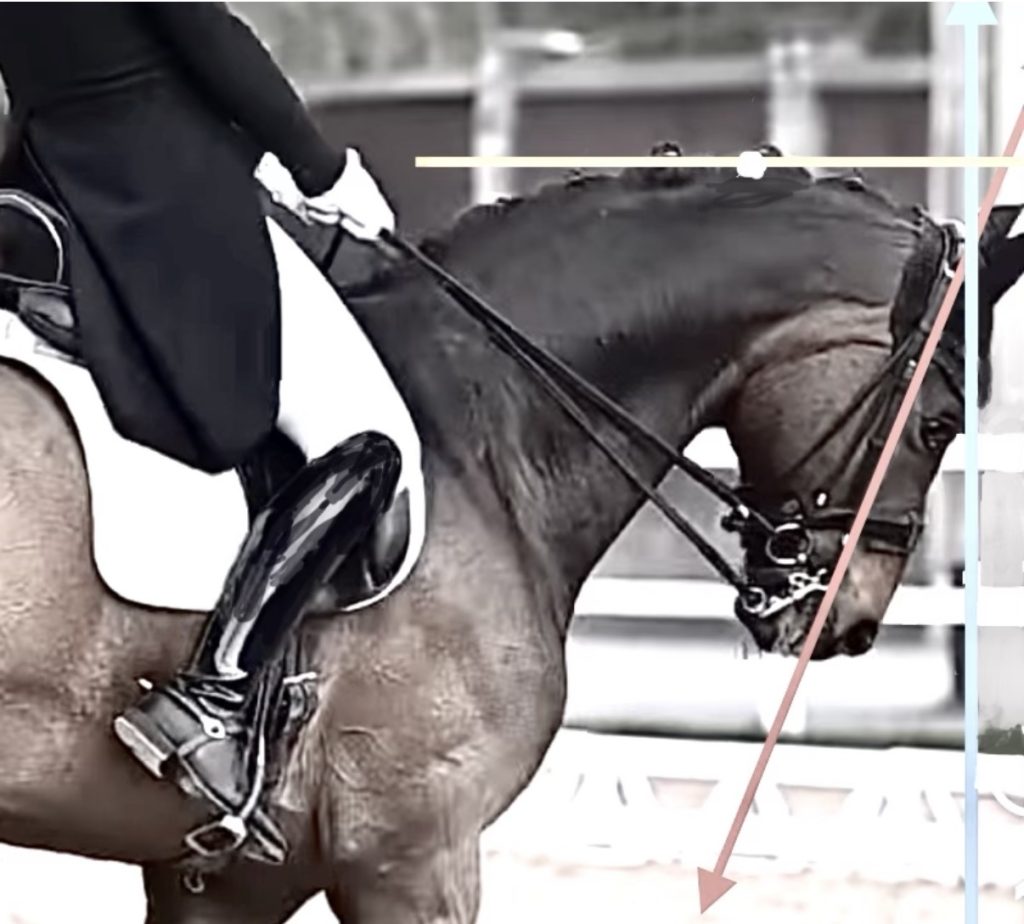
Horses with a natural head carriage do not have to work hard for the this engagement of those ligaments, and horses that are braced against the hand have the opposite effect. A braced back jams the spinal vertebrae together, causing the horse pain and over time erodes the bony tissues of the spine.
Horses that are curled in their neck, tight in the neck, or tuck their heads behind the vertical will have their breathing affected as well as their sight restricted. This will cause the horse pain, which will create tension. The horse cannot move correctly, its croup will be raised and its ability to bend left or right will be affected. The back muscles of the horse will not be engaged, and the horse’s ability to carry the weight of a rider becomes greatly diminished. The horse’s back vertebrae will be resting against each other, causing the horse pain and over time this will damage muscle and bony tissues.
↪️ WHY BENDING & SUPPLENESS IN TRAINING? ↩️
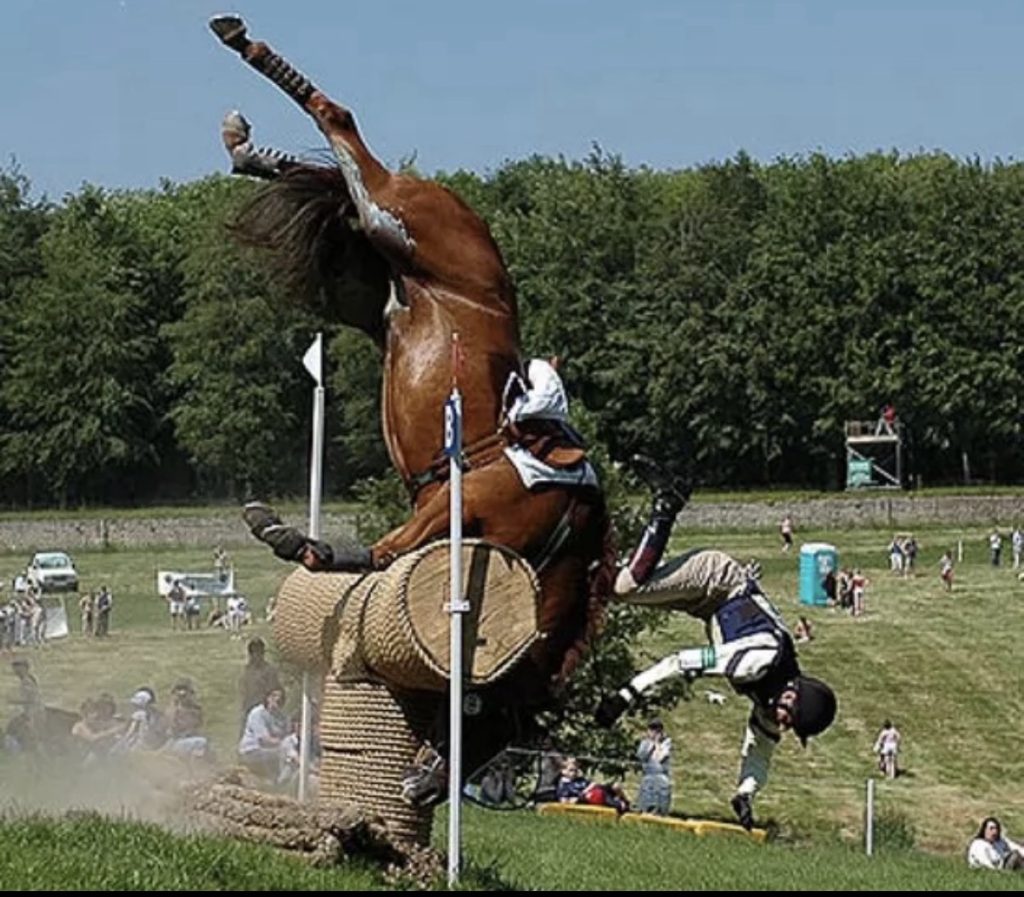
What do horses fear the most?
FALLING! Because then they are helpless, they cannot run and they cannot fight if they are threatened.
If a horse can bend to both sides, it is more balanced. If a horse has the same strength levels on both sides, it is more balanced. If it is more balanced, it is less afraid of falling so it can relax.
If the horse is supple, it has the best range of motion in its body and the ability to move or adapt quickly to new situations and to the rider’s commands.
If a horse is described as supple, it will not tense its muscles when the rider applies their aids correctly, enabling the horse to respond quicker and with more athleticism.
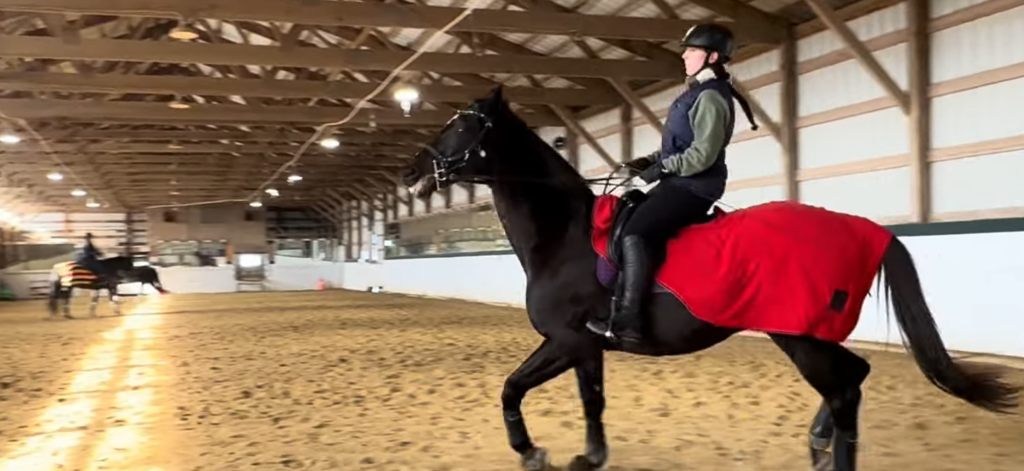
When a horse is NOT taught to bend, it will not be balanced around corners. The horse will have a tendency to trip, fall in in the shoulder, or even fall when asked for difficult maneuvers. The horse will know it’s not balanced and can fall; and that creates tension in the horse to try to avoid that at any cost.
If bending and suppleness are ignored, the horse will only use certain muscles creating an environment for muscle cramping, injuries and over development of those muscles all resulting in pain and loss of balance.
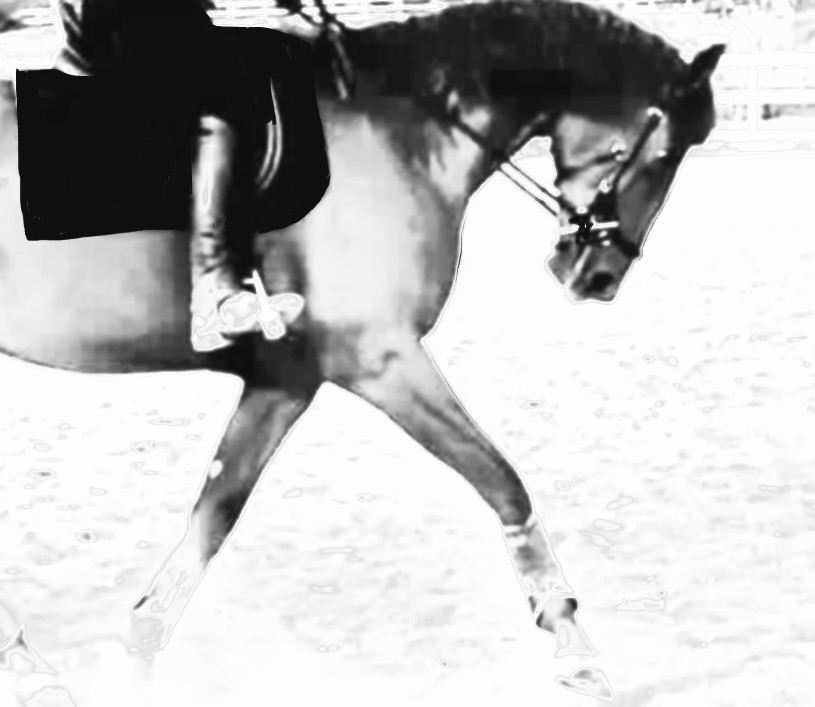
The horse that is not supple and has over developed on one side or the other will be hard to fit the tack to correctly. If the tack isn’t fitted correctly so as to not give the horse pain, it will cause the horse to be disobedient and resistive.
⚖️ BALANCE? ⚖️
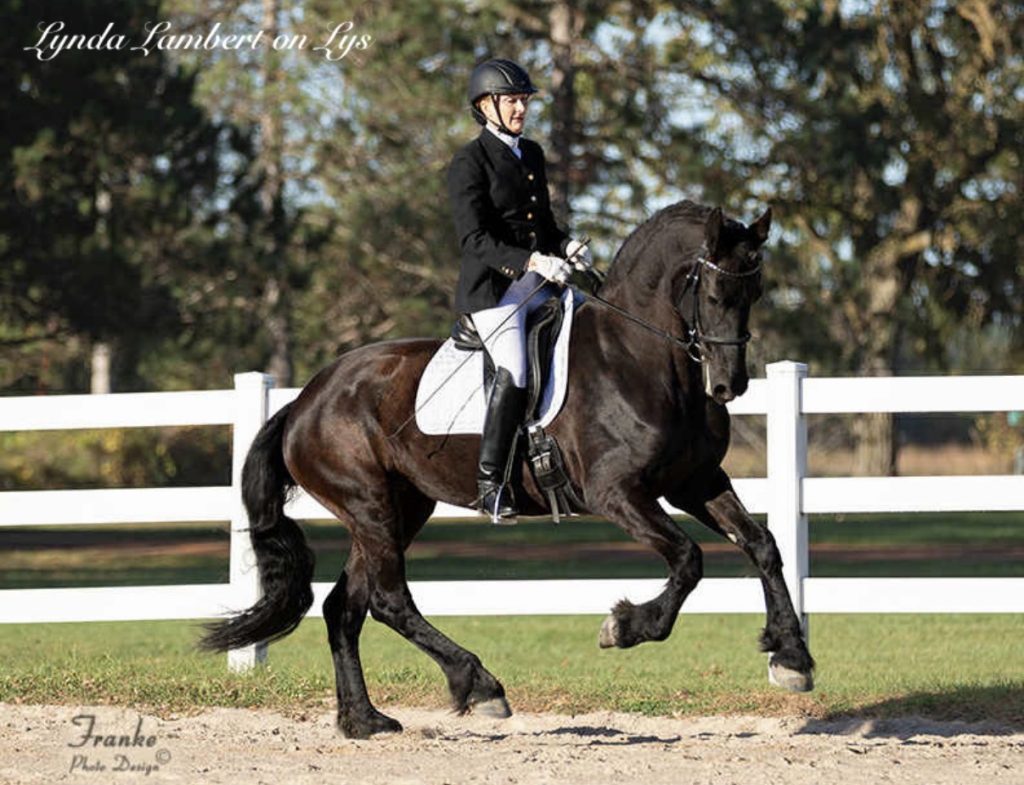
Front to back and side to side? Why does it make a difference? Horses evolved to spend most of their time grazing, which is equivalent to a slow walk. Running was reserved to moving away from a threat in a straight line, another horse, a predator-something frightening.
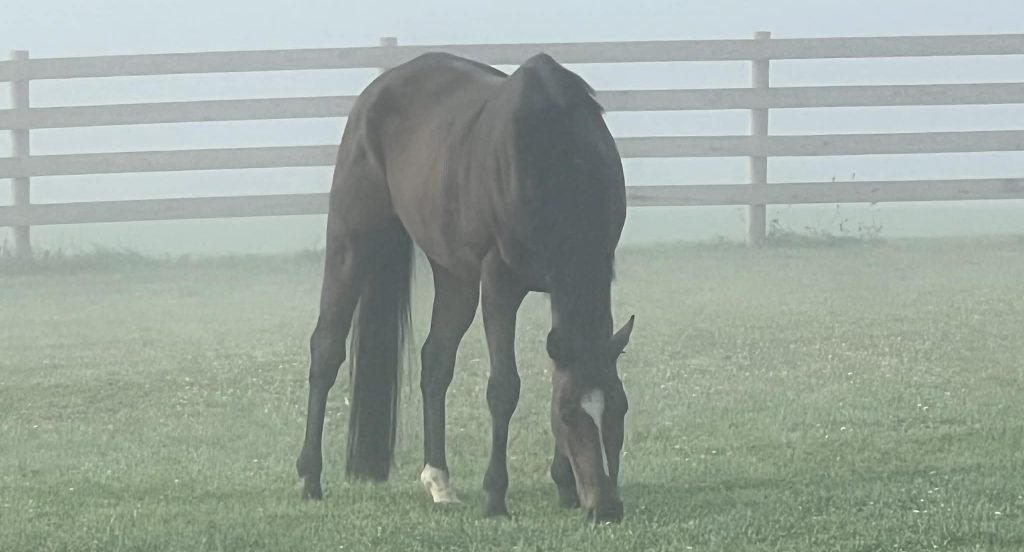
Horses will naturally carry 80% or more of their weight on their front legs, riderless. Now when a rider is added, and the time moving at something other than the walk greatly increased, with curves and/or circles thrown in, the strain on the horse’s front legs has become phenomenal.
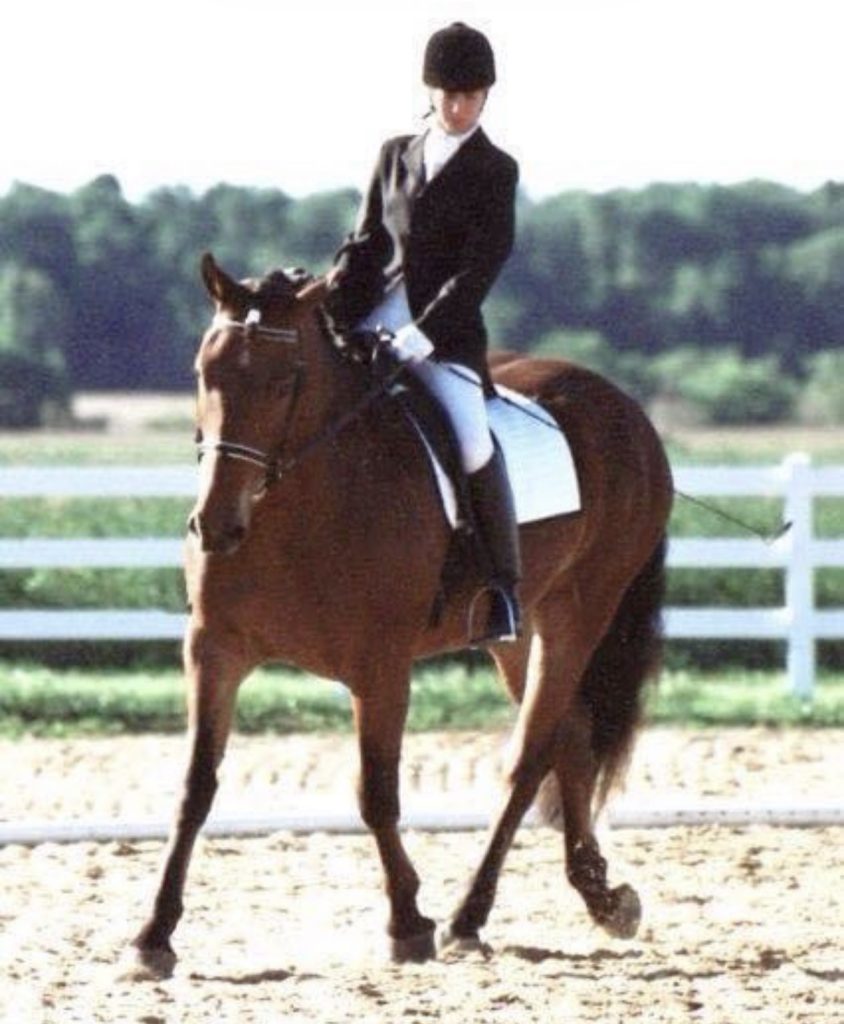
Correct training tries to correct some of that. It teaches the horse to start shifting some of its weight to the haunches by asking to carry the hind legs more underneath their hind end. The rider will ask the horse to use its back muscles to lift the withers. This also stabilizes their forward motion and enables the horse to travel slower, with rhythm, relaxation, and in more control.
The more weight the horse carries behind will increase the lightness in the forehand and in the bridle. It will give the horse greater agility in its movement and make it more pleasurable to ride.
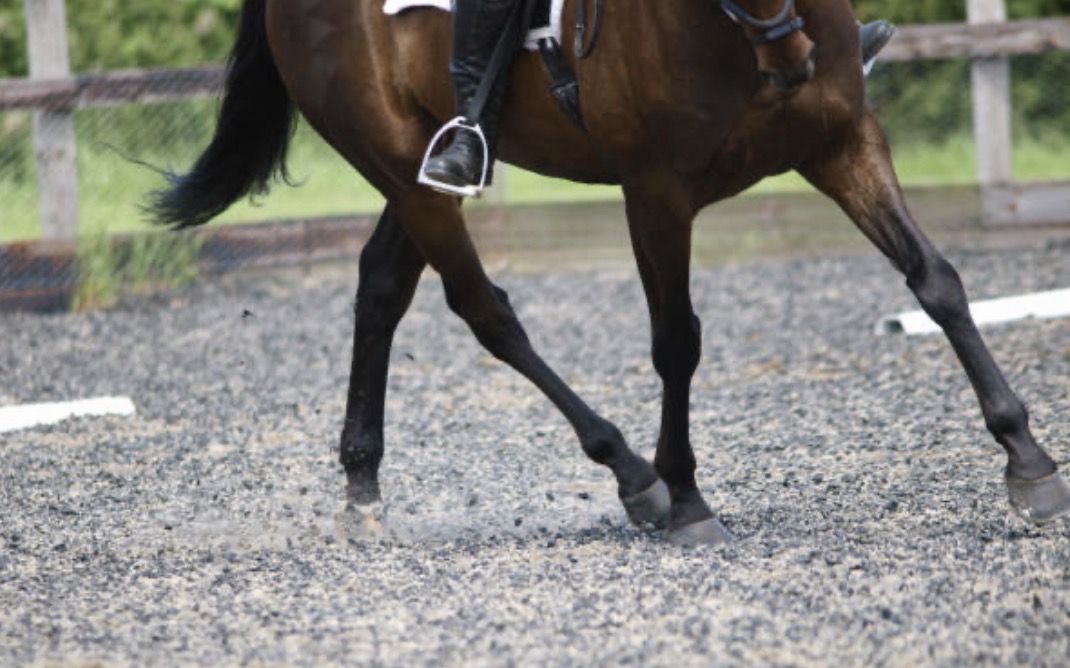
Bending the horse left and right will help the horse carry the weight more equally side to side when going around curves or corners. The bend will give the horse greater vertical balance with the horse not just placing the majority of weight on the inside feet; especially the inside front foot.
Lack of correct balance leaves the horse vulnerable to injuries by over loading the front legs with strain. A horse on its forehand is prone to tripping and is usually heavy to turn or stop.
If the footing is less than ideal, the lack of balance in the horse can also lead to slipping or twisting which can lead to injuries of ligaments or tendons.
🏋️ WHY WORRY ABOUT THE HORSE’S STRENGTH? ❤️🩹
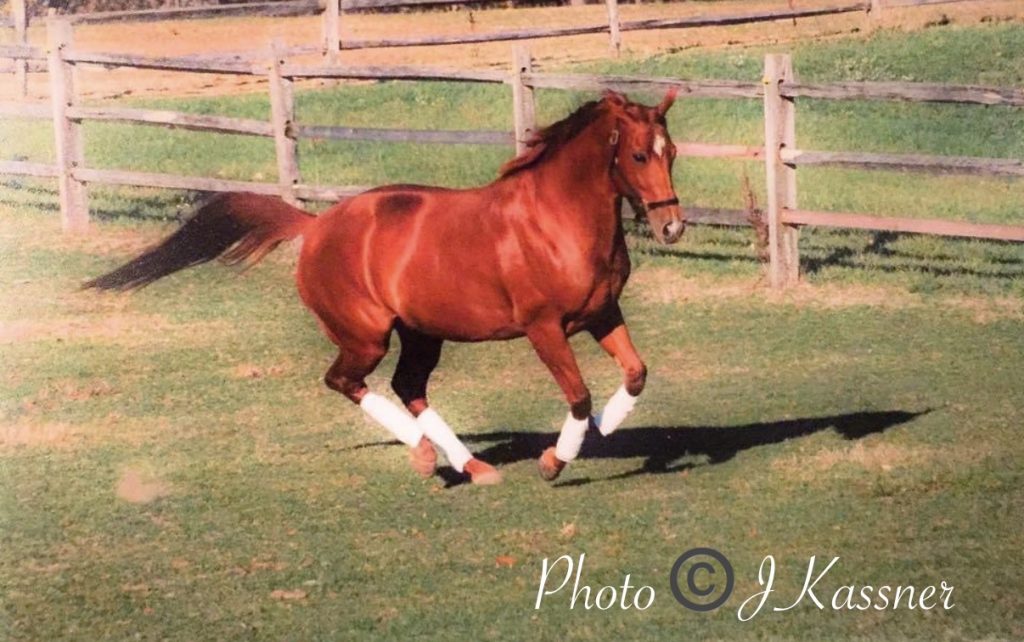
When horses play in a field they may perform the most athletic movements on their own, then they will settle down and graze. The activity is usually short lived and only for as long as the horse wants to do it. A horse in training does not have the option of stopping when it wants to, It must depend on the rider’s judgement of what to do and when to stop.
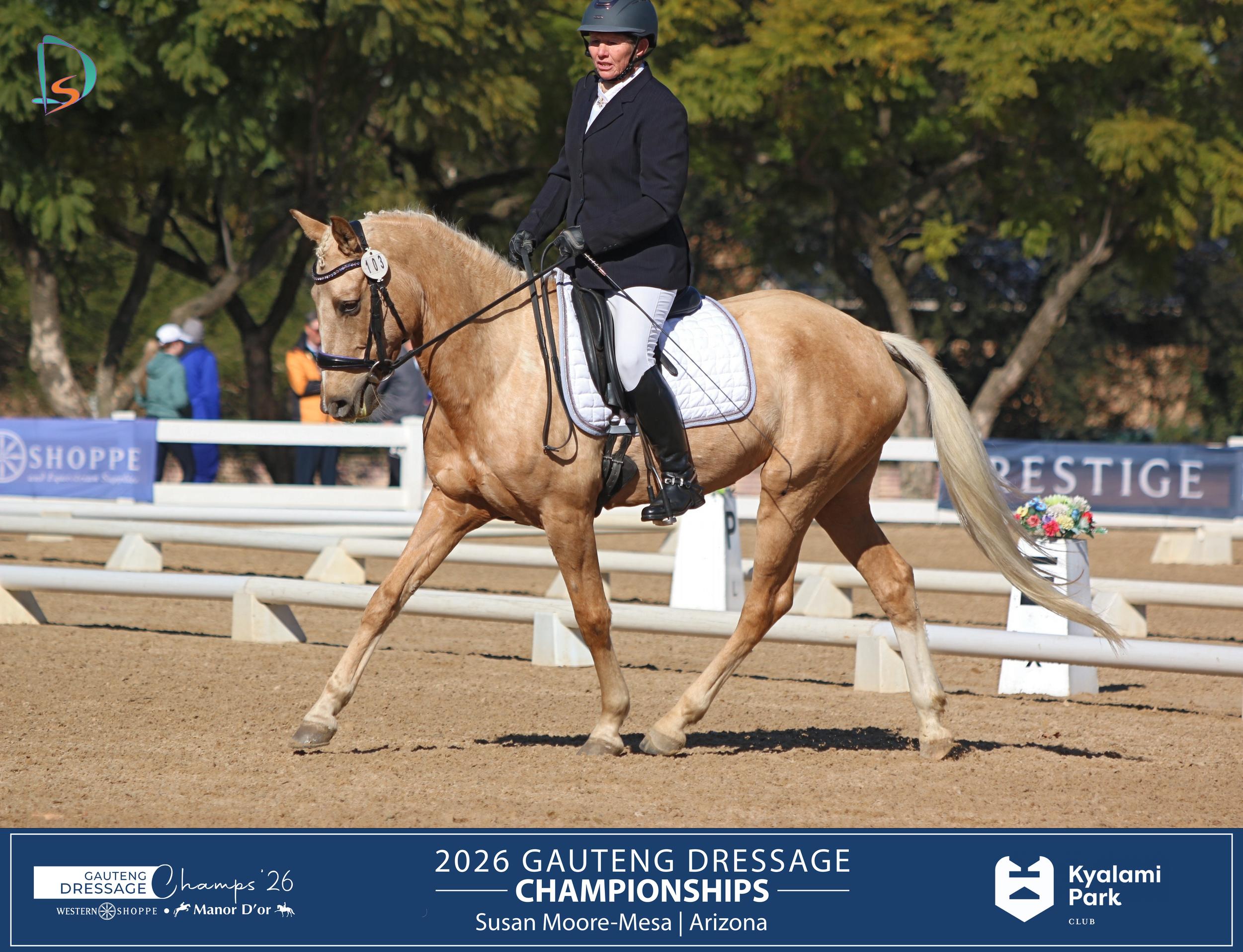
Correct training of a horse targets the areas that it wants to develop on a horse to build strength and fitness. It will encourage by the horse to increase its strength over a long period of time, allowing the horse’s muscles to grow or stretch as each new exercise is introduced.
This slow progression will decrease resistance from the horse as well as greatly reducing the chances of injury. If the horse is given the time to adjust to the demands of the training, it will not feel overwhelmed and the need for evasion. The horse will be relaxed and open to learning. A fearful horse cannot learn, it can only react.
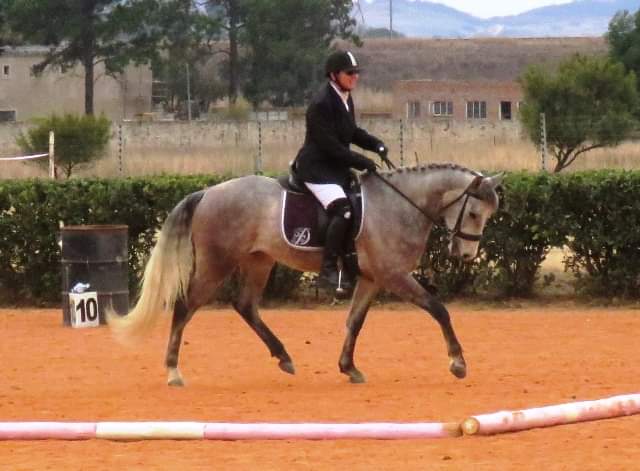
If the training is rushed, inconsistent or too demanding, the horse’s muscles will not be strong enough for the demands being made on it. So then the horse will try to compensate by using the wrong muscles or it will try to avoid the training altogether. In the process causing itself pain and injuries and that will cause the horse to become stressed and untrusting. Stress will cause metabolic issues such as colic and ulcers in the horse.
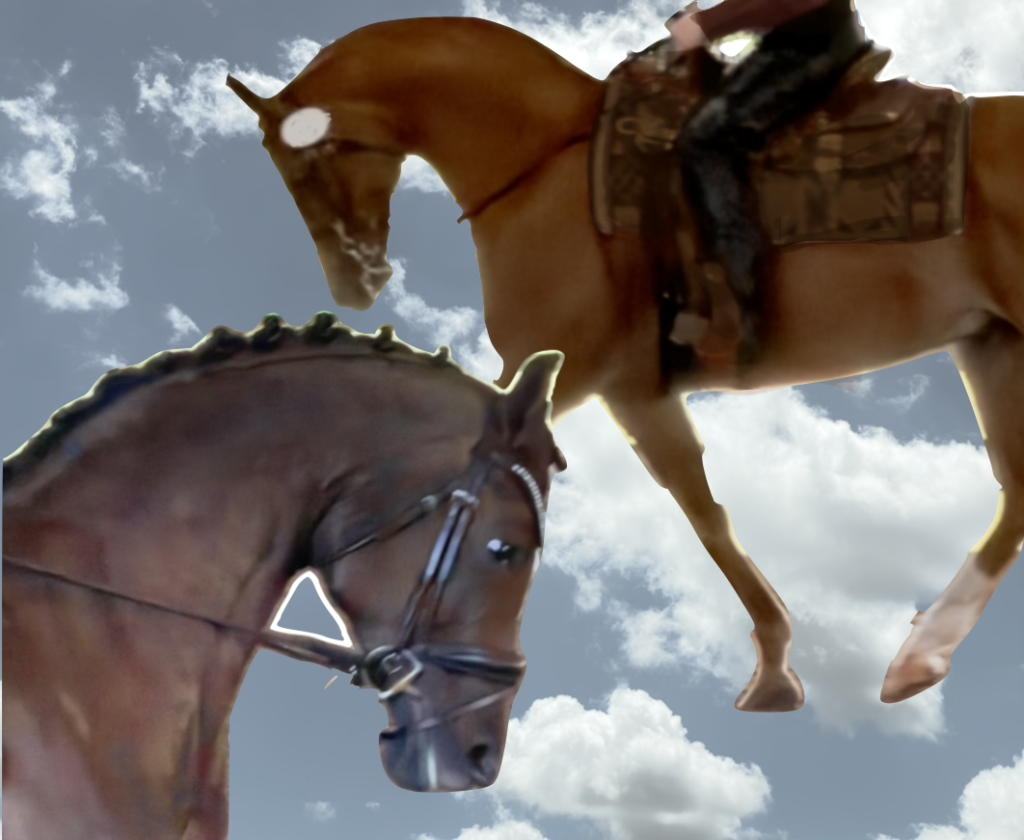
Most unsoundnesses are caused by tension in the horse while being ridden. The other majority is caused by asking the horse to perform exercises the horse is not prepared or fit enough for. It is the rider’s responsibility to ensure that the horse can do his job when asked.
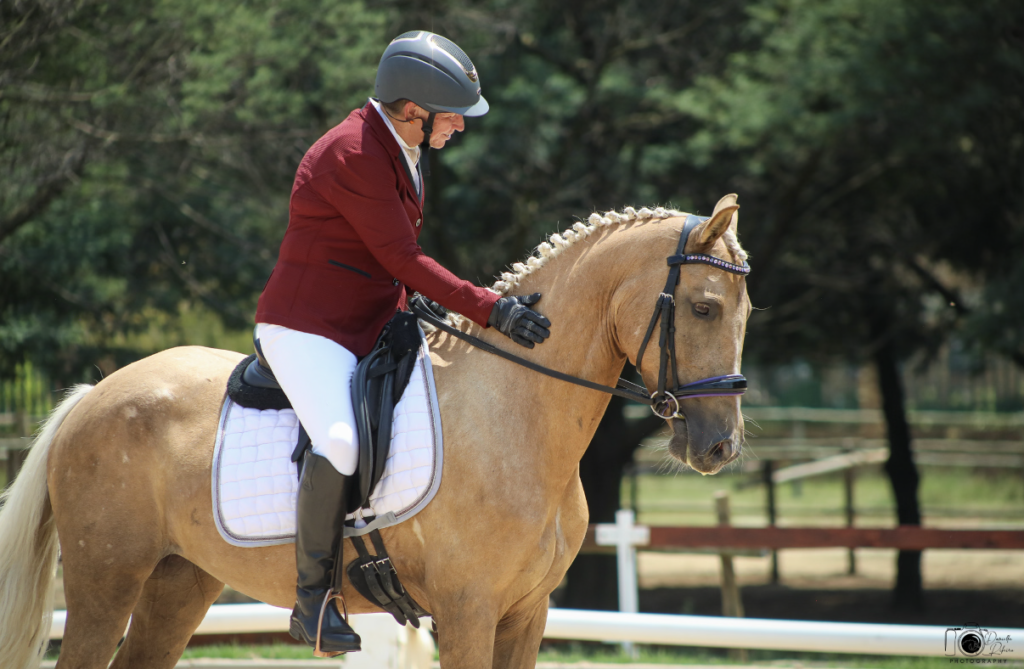
Good training will create a relationship between the horse and rider. Much like an employer and employee. The rider should ascertain if the horse has the tools (conformation and movement) and the skills (training) to do the job the rider requires. If the horse does not have the skills required, can the rider take the time and has the knowledge to teach the horse? 💕
PLEASE ASK QUESTIONS OR LEAVE COMMENTS ON THIS ARTICLE IN THE FORUM BELOW
SOCIAL MEDIA:
