You know that moment you’ve climbed the mounting block and look at your left stirrup, lift your left foot to put it in that stirrup, and slightly pause as you gather yourself to put weight into that stirrup before swinging your right leg over the saddle? What are you thinking about?
The busy day you had? The traffic jam you sat in getting out to the barn? Money issues? Your job? The kids that have been pushing your buttons? All the things you had to do to get to this simple task of putting your left foot into the stirrup to get onto your horse?
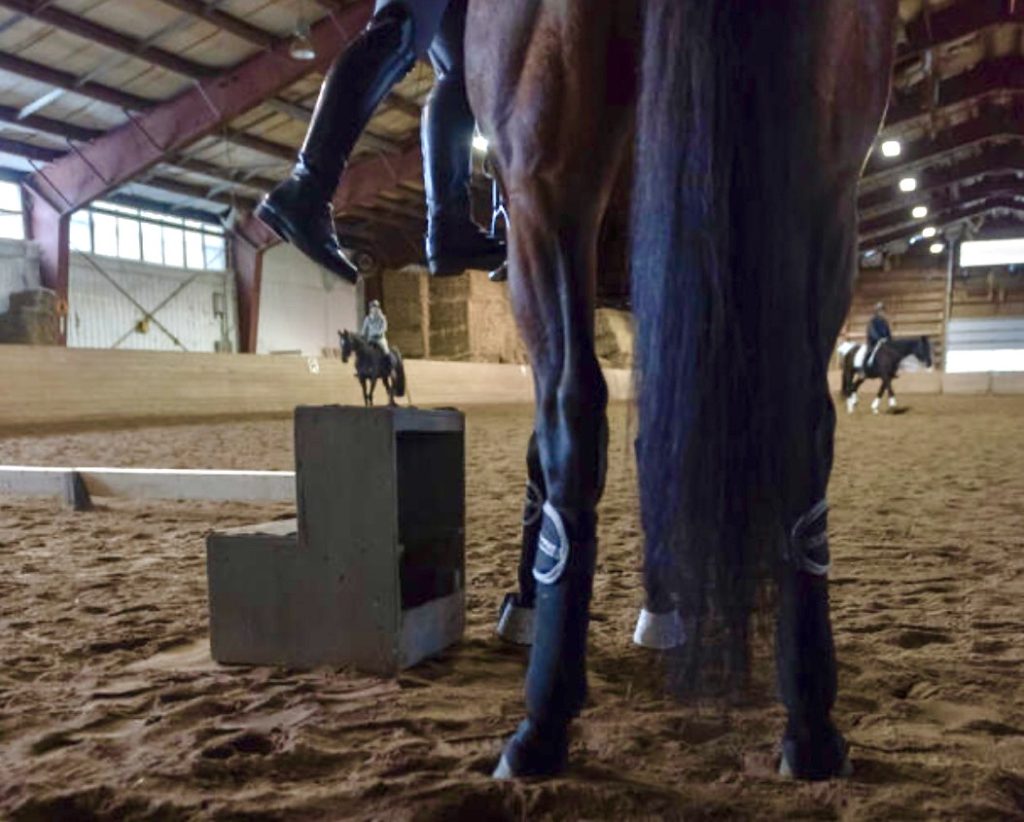
Then what happens? In your head, as you slowly sit in the saddle, find your right stirrup and gather your reins? What’s going through your mind then? All the aspects of your busy life? Or does life just kind of fade away, like you’re in a zone, mentally and almost spiritually meld with your horse? For me, all the busy JUNK in life goes away completely. I am at one with the horse. My presence is right here, right now, just being in a semi-blurred world is what I feel. Just me and the horse.
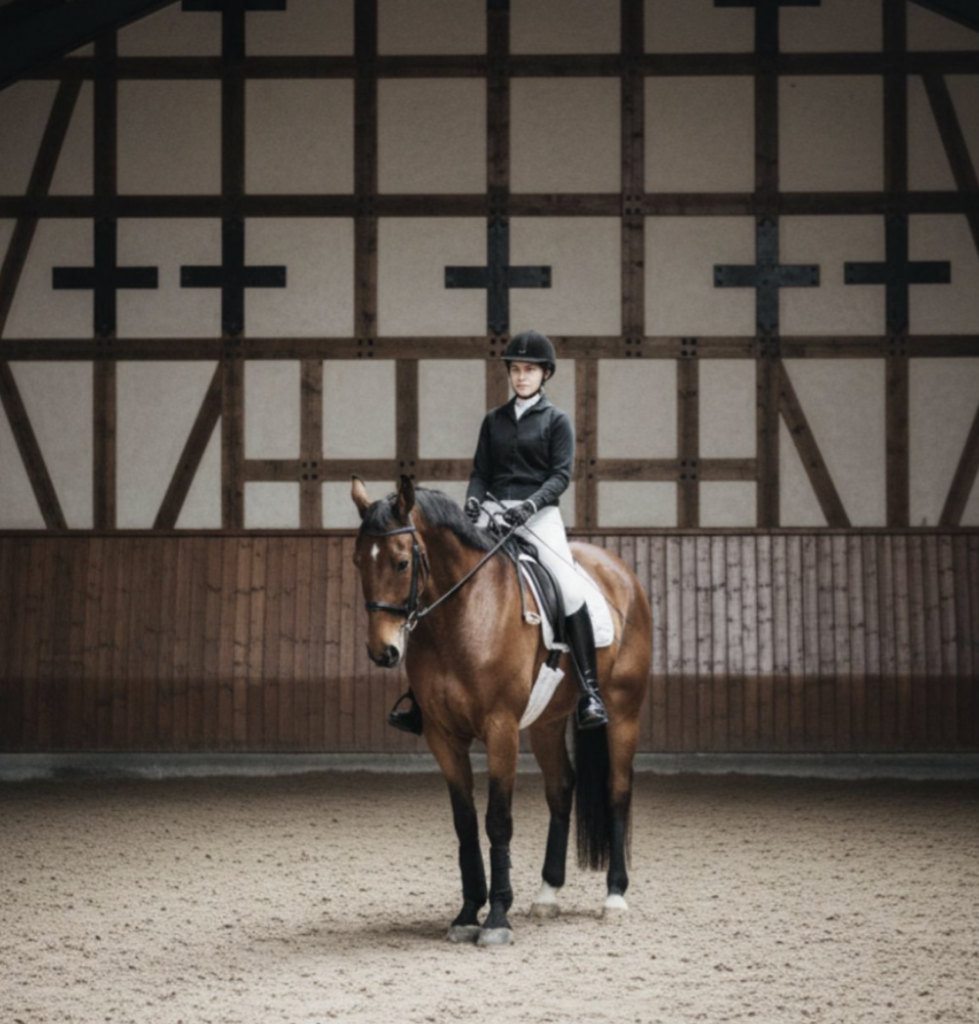
In fact most of my ride is that way. My brain somehow switches from daily life and survival mode to a softer, quieter world. Sure I’m thinking about the horse, and how they are feeling, whether it’s fresh, lazy, spooky, having a chill day or are in the zone too. But we somehow “connect.”
Such a simple process, isn’t it? We do it all the time, but do you recognize that moment when you hop on for that first moment as a sort of pause in the whole world? You should. You just got on a 1500 pound animal that COULD do many things that could injure you, but if your mind flips like a light switch going on when you mount, as if entering through a garden gate into a quieter world, please remember that moment. Because your horse does.
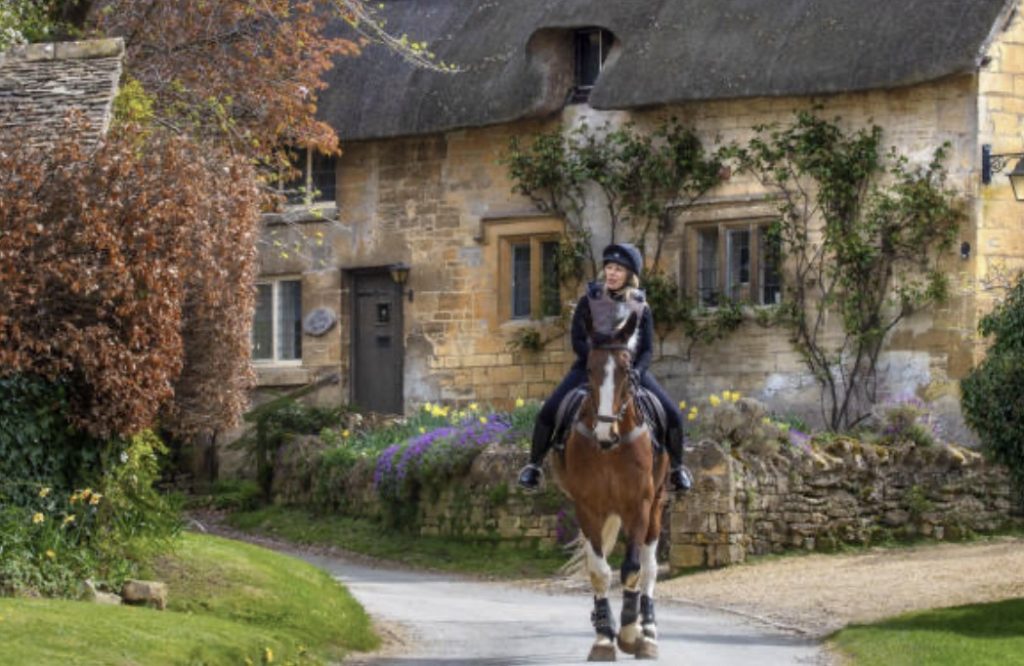
Sometimes we ride to work on routine exercises, while other times it’s to just go for a trail ride. Either type of ride we decide to take, we are aware of the horse, just as they’re aware of us.
There’s a quiet, simple unspoken language taking place, just done from one soul to another. Your energy colliding with another energy to become “one.” We don’t look behind us, or anywhere else except for at the horse underneath us. It’s pure, simple, a new beginning.
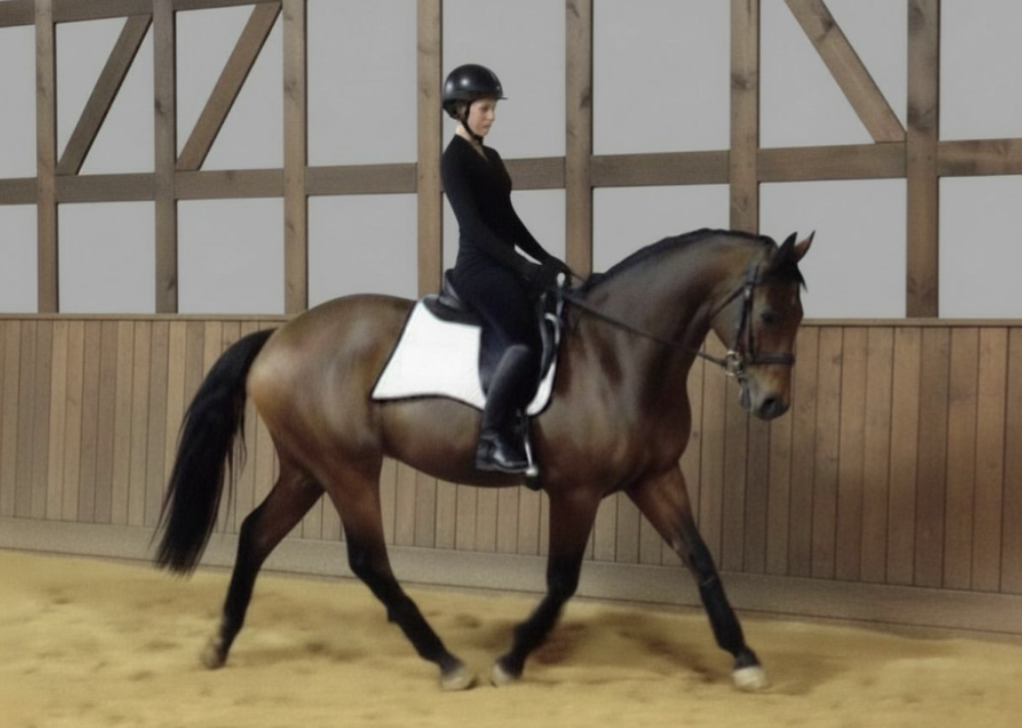
Do we usually remember that? No. We get to work right away, right? Gathering our reins and starting out our “plan” for the ride today. If it’s hot and sticky out, we may be lazier. If there’s a storm beating down on the facility, making it loud, do we think about the unfinished project on our work desk? Or the horse’s reaction to the change in weather and barometric pressure affecting their attitude? Or is it a nice crisp, cool day that only makes you think of positive things about riding that day?
We all experience this moment, but are you present, mindful of the moment? Because if you’re not, you should be. You should allow yourself to get on, breathe deeply, relax in the saddle, and connect with the horse before walking off.
If you have a horse that doesn’t stand still while you’re getting on, this could be trickier, but don’t let that trickiness spoil the getting on moment—take your time to correct your horse from the ground to stand properly at the mounting block. Allow yourself to be in the moment—make it a self training moment. Breathe, and go through the motions quietly and repeatedly without frustration, anger or fear. Recognize the moment when you finally CAN quietly just get on and settle.

Everything we do on a horse creates a muscle memory, as well as a postural memory. To form a postural memory—according to Google: “It generally takes 2 to 3 months [1, 2] of consistent daily effort to reprogram postural memory and update your body’s nervous system defaults. While noticeable improvements can be felt in as little as 2 to 4 weeks, stabilizing those new habits requires sustained practice.
The timeline progresses in a few key stages:
- Weeks 1–2: Proprioceptive re-education occurs. You will notice heightened awareness of when you are slouching and find it easier to correct your alignment, but it isn’t automatic yet. [1, 2]
- Weeks 3–8: Habit formation kicks in. The nervous system begins updating your postural defaults, and you will naturally start sitting taller without having to think about it. [1, 2]
- Weeks 8–12: Neuroplastic encoding solidifies. Your new alignment will start to feel more natural than your old slouched posture. [1]
- 3 to 6 months: Lasting structural change takes place, particularly when correcting years of ingrained habits or asymmetries. [1, 2, 3]”
Because gravity continuously pulls the body down and daily activities (like computer work) encourage slouching, posture correction is a continuous practice rather than a short-term achievement. Consistency is the biggest factor in the timeline; practicing small, targeted exercises for 10 minutes a day while spending 10 hours slumped at a desk will significantly delay progress. [1, 2]”
There are moments in riding, no matter what discipline, that happens in a zen-like state. Where your minds & bodies are one. The whole world and its problems are gone—it’s just there and then. That’s when the good stuff happens! The things you want to remember.
The feeling in your body, the feeling of your horse during that period, what exactly you did throughout your whole body and how the horse gave you something they didn’t have to, but did. THOSE are the moments we journal about! Why? Because whether it is a perfect halt or a perfect setup for a jump, we take for granted later the minute details of what we did with our own bodies to get to that point.
According to Google, “Intricate, highly detailed memories typically degrade quickly. Their richest details usually fade within hours or a few days as the brain naturally compresses information. While the core event can persist in your long-term memory for decades, the original nuances inevitably blur and flatten over time. [1, 2, 3, 4, 5]
The lifespan of an intricate memory depends on its specific phase: [1, 2]
- Sensory & Short-Term Memory (<30 seconds): When you experience an event, your brain temporarily holds a wealth of intricate detail. This information typically lasts for 15 to 30 seconds unless you actively rehearse it. [1, 2, 3, 4]
- The Fragile Phase (24 hours): Memories are physically fragile in the first 24 hours while the brain begins biological “consolidation”. Recalling the memory during this window strengthens it, but new information can easily disrupt or overwrite the details. [1, 2, 3, 4]
- Rapid Fading & Consolidation (1 to 3 weeks): Over the next couple of weeks, the brain trims away peripheral details. Studies show that even highly visual, detailed memories are remembered as less vibrant than they were originally experienced. [1, 2]
- Long-Term Storage (Months to a lifetime): The core or “gist” of the memory is transferred to the neocortex, which acts as a long-term repository. These memories can last for decades, though retrieval accuracy often changes, and the original intricacy is replaced by reconstructed details. [1, 2, 3, 4]”
We need to be able to savor those feelings, or physical characteristics, of what we did differently in order to repeat them again in the future. If we journal them right away after a ride, we not only start the path to muscle memory but also to our own memory via words on a page. Something to look back on when we just can’t seem to get “that feeling from two weeks ago” back.
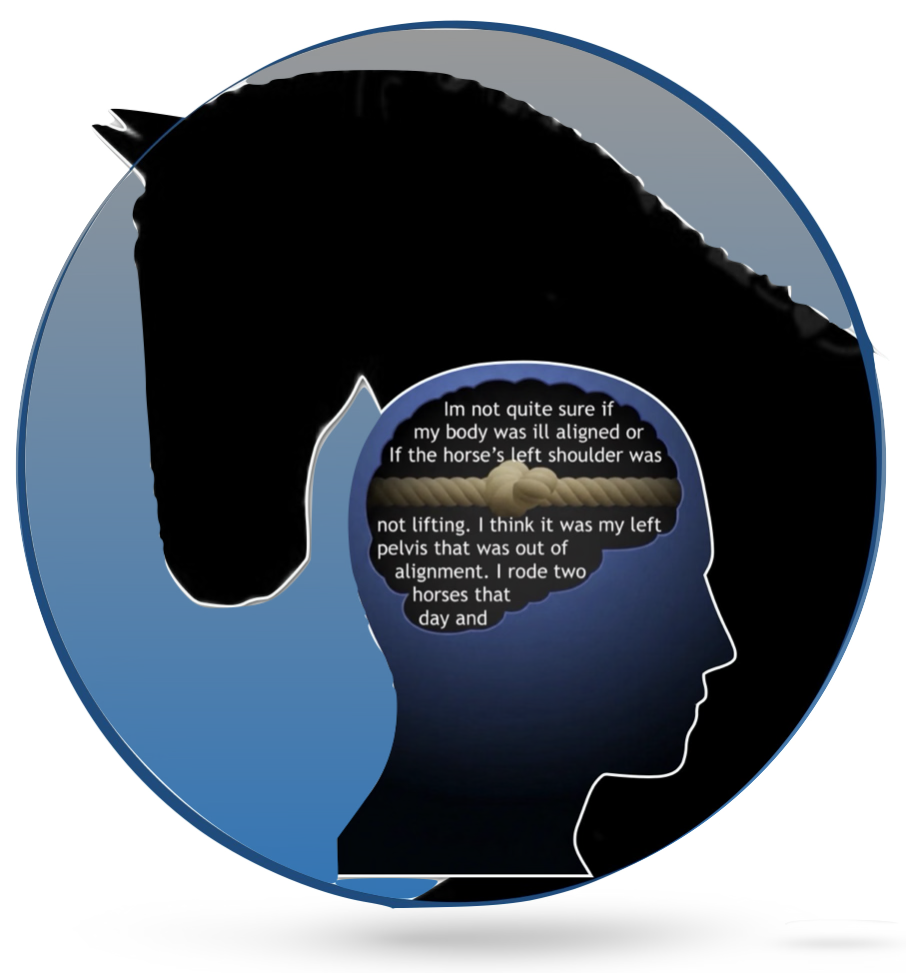
I have been riding since 1984. I’ve journaled almost every ride on every horse, whether it was my horse, a school horse, or a client’s horse. I didn’t do it to write some sort of book, but to help myself down the line in my future in case I run into the same/a similar road block in my riding, or a lightbulb 💡moment that I never want to physically forget. I can flip back in my journal and see patterns. Patterns that are good and patterns that are roadblocks. How did I feel that day? How was the horse? What exactly did I feel in my body that I altered to change that pattern? It’s all in there. Years and years of pages on precise detail of…
“how I used my inwardly rotated femur which opened my seat bone connection, stretched those tight ligaments in my groin, all the while I had my quads very relaxed, my core engaged, pelvis tilted slightly forward, with only my hamstrings holding my leg back…I reach under my horse with my leg to aid him to lift his back as I halfhalt by firming my core, completing my stacked cabinet and stopping all motion with my seat—boom! Perfect round halt.”
Those are the details to write about, whereas an entry like this…
“Today was a good ride. Worked on half halts then going forward to ride ‘forward and then collected transitions.’ It went well. Horse was good. A good day.”
…really doesn’t leave much for remembering what I did to get those half halts and halts.
What’s the difference? Well, you tell me how much there is to learn about what you wrote? Any key things you can take away from the first entry vs. the second? It’s all in the details.
DETAILED or SPECIFIC MEMORY WITHOUT JOURNALING according to Google: “Detailed memories vary widely in lifespan. Sensory details fade within seconds. Unrehearsed short-term memories last roughly 20 to 30 seconds [1, 2]. With active focus, long-term memories can last decades, but even vivid, highly detailed memories inevitably degrade, becoming less vibrant and shifting in accuracy over time.
THE LIFESPAN & PRECISION OF DETAILED MEMORIES depend on several critical factors: [1, 2]
- Natural Fading: Studies show that visual details fade continuously as time passes, with memories often becoming less vibrant and accurate within just a few weeks. [1, 2, 3, 4]
- Reconstruction Over Preservation: The brain does not record memories like a video camera. Every time you access a memory, you physically alter its neural pathways, meaning you can subconsciously overwrite, strengthen, or lose specific details with each recall. [1, 2, 3]
- The “Forgetting Curve”: Pioneering memory psychologist Hermann Ebbinghaus found that forgetting happens rapidly immediately after an event, but the rate of loss flattens out significantly if the memory is reinforced. [1]
- The Exception—HSAM: A very small number of individuals possess Highly Superior Autobiographical Memory (HSAM), allowing them to recall highly specific daily details over a period of many years. However, even these exceptional memories can be prone to reconstruction and are not perfectly flawless. [1, 2, 3]”
With that being said, this is why you need to write things down as soon as possible after your ride! Personally, I have my journal in my tack trunk or grooming box with a pen attached, so that when I’m done riding, I can untack and let the horse stand in crossties next to me as I hunker down & try to retrieve all the things I FELT, how I did something, body scanning. How the horse reacted, how the horse’s attitude was that day, what the weather was like, if I had ridden during turn in or feeding time. These things make a huge difference and may lead to positive or negative patterns. The longer you wait, say when you get home, you’ve lost so many precious seconds of specific memory that your entries into your journal won’t be as helpful.
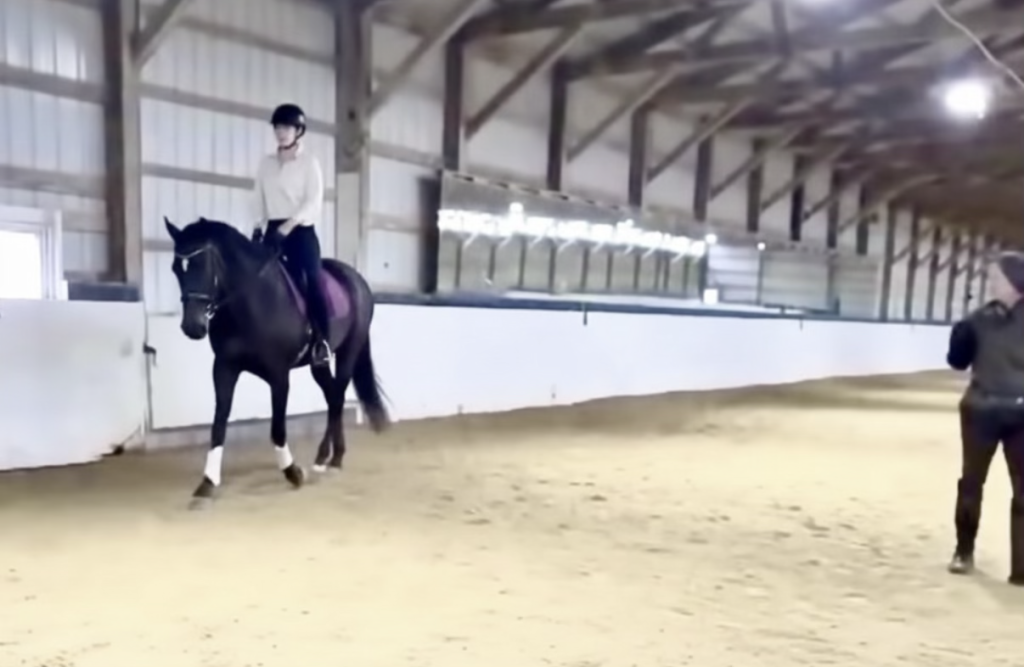
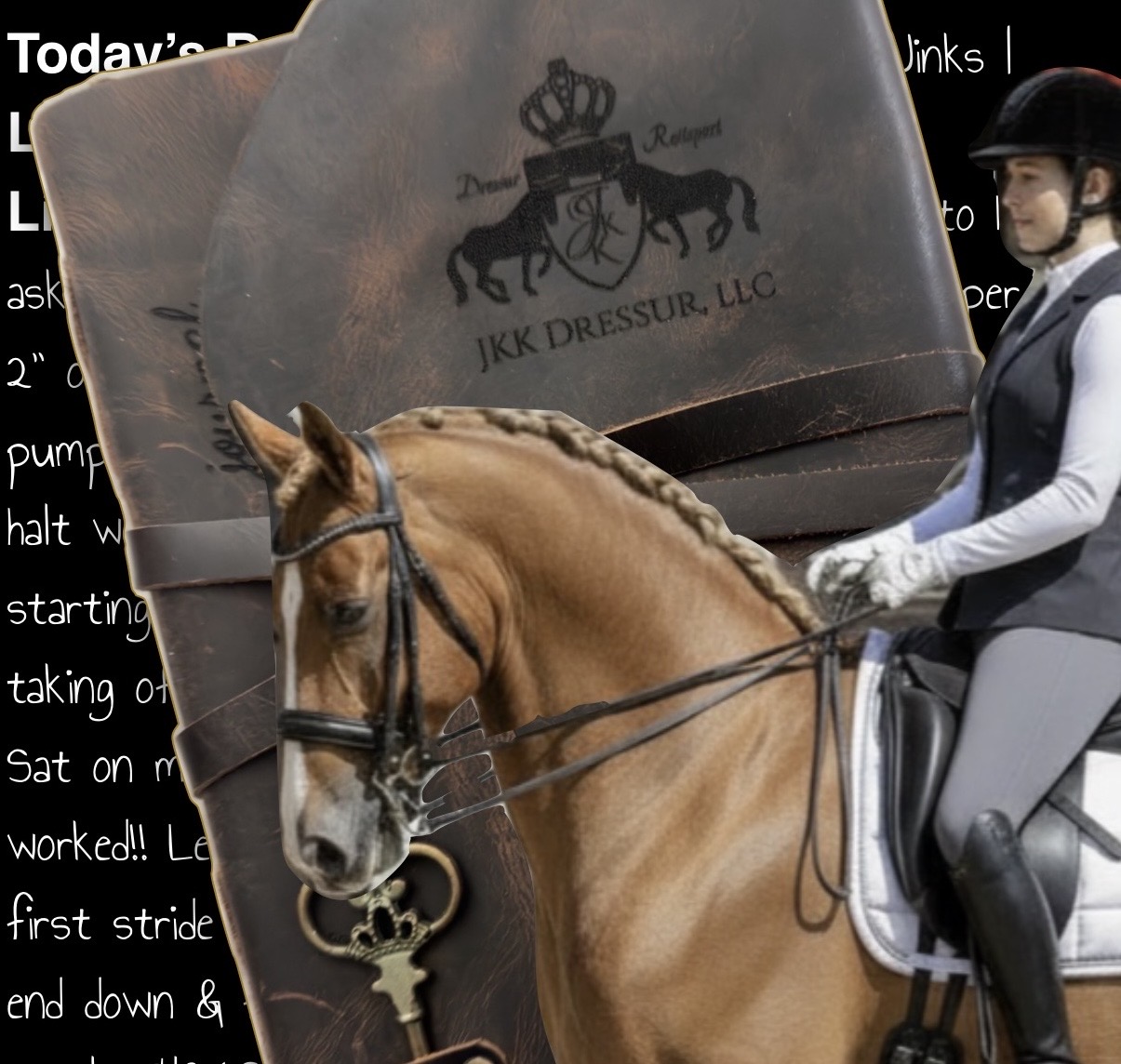
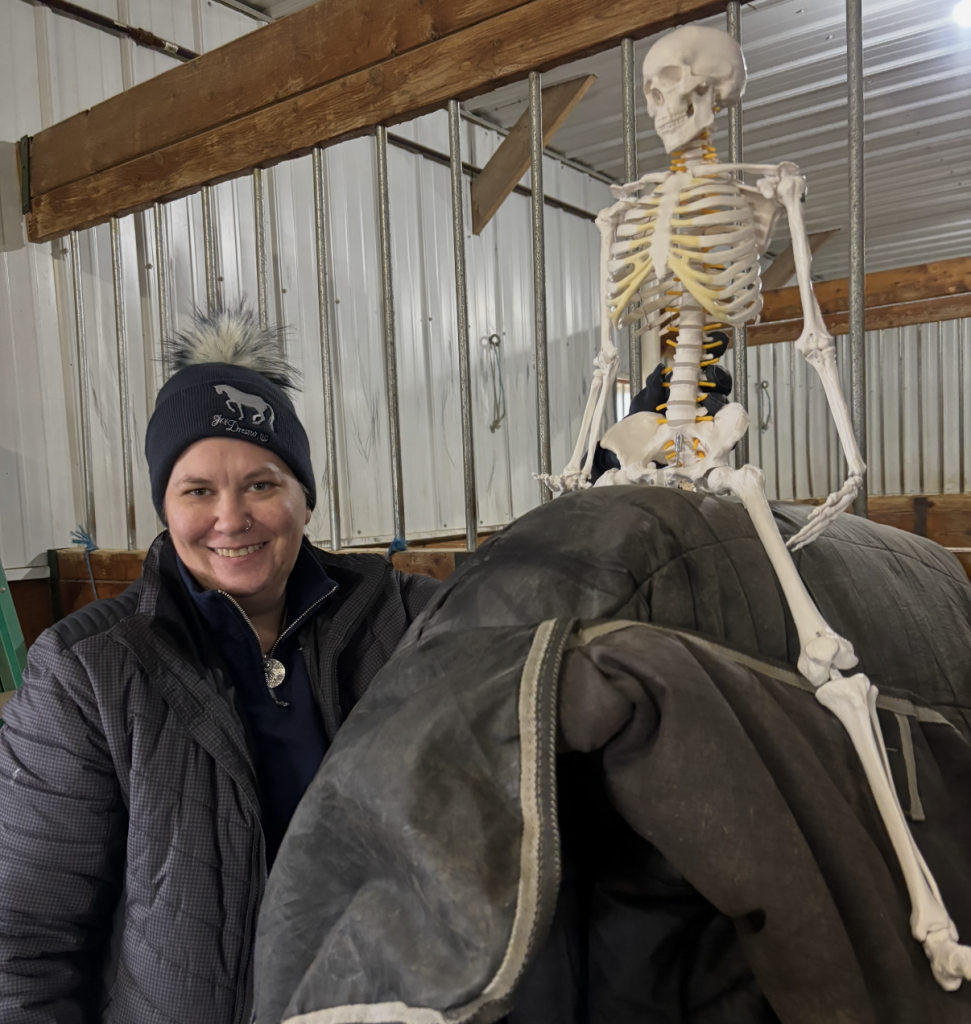
As an instructor/trainer myself, I give each new student a journal as a welcome gift at their first lesson and tell them to journal not just their lessons, but their rides in between. To be consciously aware of the horse’s body language as well as their own. I teach my students to learn anatomy of the horse and their own body, so that remembering a feeling in a certain place becomes easier. Muscle memory can be achieved quicker. This gives them a place to record and to dissect later on in their riding career, which greatly helps them through a similar situation in the future.
Riding is trial and error, when you think about it. We make more errors than anything else, so that is why journaling your riding is so important? To pull out those moments you got things right. Eventually, you will read back in your journal and reflect on how some things were so hard which you now take completely for granted, yet you’ll see that some other things that are still lingering issues today.
It’s good practice to read a few days back in your journal before you ride. Not only does it slow your day down emotionally, it focuses you on what you hope to achieve today.
So the next time you go into a ride or a lesson, and your instructor asks, “what did you work on in your last ride?” Or “what do you remember from our last lesson? How did it go since then?” You will have a much clearer, more vibrant memory to share. In fact, letting your trainer read your journal is a great way for them to create appropriate lesson plans, if written well. It also allows your trainer to see what you felt was important in the lesson, and whether it coincided with their hopes of what you got out of the lesson. If you wrote something completely different than they were trying to get across, they can analyze how your thought process works, which helps them plan a different route of teaching to match how you tend to learn. It’s invaluable, really. Let them read the journal as you get on and warm up. That gives them time to put things in perspective and rethink how they will communicate with you.

People that journal tend to make progress quicker than people who don’t, as a summary of sources from Google will point out: “Sports journaling is the practice of tracking physical metrics, emotional states, and technical strategies in a dedicated log. The distinction between athletes who journal and those who rely on memory alone [1, 2, 3] highlights major differences in how they learn, manage pressure, and adapt to setbacks.
JOURNALING ATHLETES:
- Heightened Self-Awareness: Writing slows down processing, allowing athletes to identify their exact triggers for anxiety, overthinking, or confidence drops.
- Systematic Learning: They learn from every training session and mistake instead of just moving on to the next practice.
- Emotional Regulation: Journals serve as a judgment-free outlet to release stress and unpack frustrations from poor performances.
- Clear Accountability: Tracking habits and goals provides a clear paper trail that boosts discipline and consistency. [1, 2, 3, 4, 5, 6, 7]
NON-JOURNALING ATHLETES:
- Rely on Intuition: They depend heavily on “feel” and memory, which can be distorted by adrenaline, fatigue, or stress.
- Slower Pattern Recognition: Mental blocks, physical trends, and performance plateaus may go unnoticed for longer periods.
- Vulnerable to Overthinking: Without a dedicated outlet, mistakes and pressure are more likely to be carried into future competitions.
- Less Structured Goals: Progress tracking often lacks exact data, leading to a trial-and-error approach rather than a refined, measurable plan. [1, 2, 3, 4, 5]
Many experts outline specific approaches to starting a mental and technical log, such as the frameworks discussed by the National Collegiate Scouting Association.”


“WHO? WHAT? WHEN? WHERE? WHY? HOW?”
You’ve heard that a million times before I’m sure! Well, that’s a good starting point if you’re stuck on what to write. The Who being you or the horse or another horse in the arena, or a whole pasture of galloping horses playing Tag, which distracted your horse…write about the issues You had as well as the issues the Horse had—good and bad. Here’s a helpful way to get started:
WHAT?
What: What did you work on? What feelings did you have while doing them? Any new ones? Again, close your eyes and do a body scan from the top of your head to the bottoms of your feet. Write it all down for each movement that went good or bad or not at all. The what could be a horse bucking on a lunge line at the other end of the arena, which made your horse spooky and wanting to join in—write THAT down.
How did you deal with it? How did you alter your riding? What could you have done differently? A crazy double oxer line on an angle with a tight approach might be your What. How did you achieve it? Or did it just fail? Think about how you could have done something different to make it a better line. It was put out there to challenge you, so why let the challenge end with the lesson? Journal it! There are many what’s to name, I’m just going to leave you with those as basic examples.
WHEN?
When: What time of day was it when you rode? It could have quite an effect on your ride as well. Did you change clothes at the barn after leaving work in a hurry to make it to your lesson? Was that smart? When is feeding or turn-in time? Did you ride during either of those, because horses are herd animals. Even if they’re brought in for the night and stalled, they still live by a routine and have friends and enemies. Best to try to avoid that time so they can live their normal “scheduled life.” Or it could be when you asked for a flying change—did you position left while on the right lead, ask with the left leg at the girth and right leg swipes back with seatbones changing in the “4th” part of the canter: the moment of suspension. Are you missing your changes because your body isn’t quick enough? Write about that, how you write it will also help your instructor possibly give you new imagery that makes more sense because you’re both on different pages.
WHERE?

Where: Where were you when something went well? On a circle at B or down the long side? Again, body scan and write it down. Where could also be a place that was spooky. How did the horse react? Did you get tense? Avoid the area? Or did you quietly halt, put the horse right back where it was spooked and just stand for a bit until it wasn’t as scary? Possibly where on the cross country course did you have a bad jump? Why was it bad? Did you ask for a “short” by accident? Or ride too close to the fence and got a refusal or two? How did you solve the problem? Was it you or was it the horse? I bet you it’s 95% YOU! They’re horses—we EARN the priveledge to ride them, they’re not cars…they have to trust us to keep their best interests in mind or they will quit on us. Who could blame them?!
WHY?
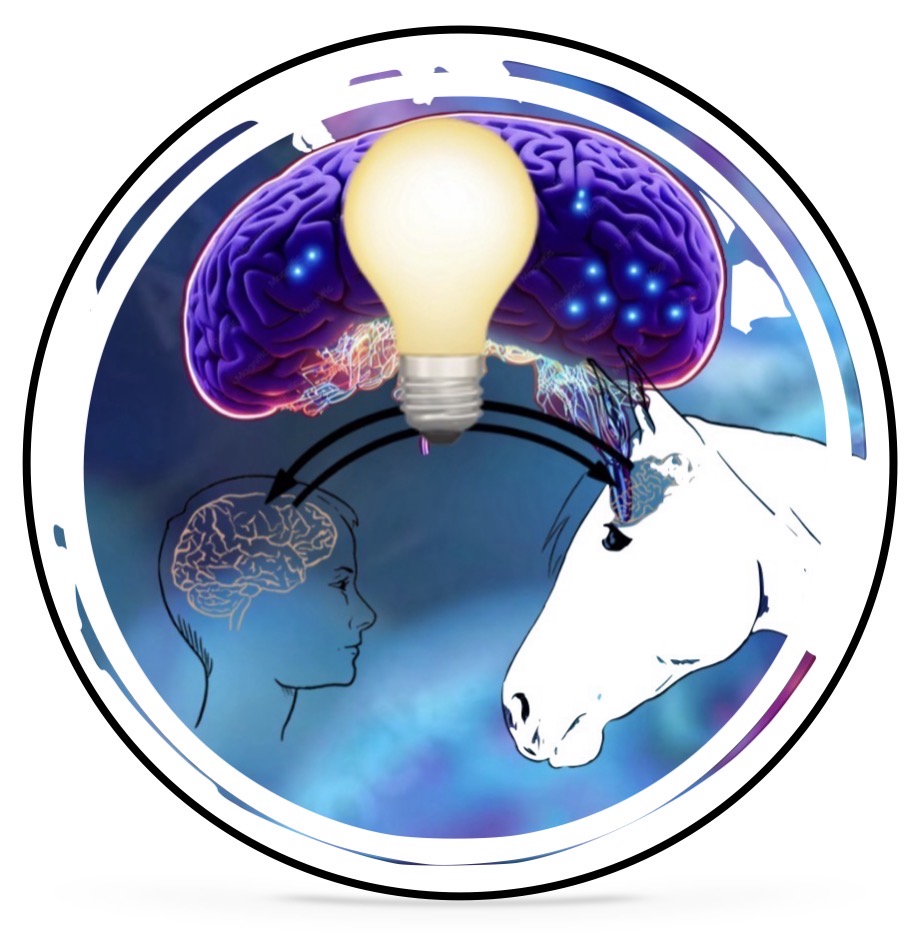
Why: This is another loaded one to answer, as you have so many options to choose from. Why could be why did something work? Like the transitions from collected to medium to collected trot transitions—why were they better/worse? Was the horse working from the hind end? Listening to your half halts and leg, or was he heavy in the hand? It takes TWO TO PULL! So again 95% bad on YOU. Were your shoulder blades embedded & dropped down in your upper back? Clavicle open? Sternum up? Elbows down by your sides—helping to anchor your torso to your seat, while you use the upper/inner 2” of your boot? Or was your cabinet not put together, head down, groin holding, toes and patella pointing out? If there’s a pattern (and if you don’t have regular lessons) then you need to address this. Another why could be why is my horse being so naughty today? Did you check the fit of the saddle? Were YOU in a hurry when you arrived? Maybe the horse felt like a tool rather than a partner and didn’t want to work. We all forget that horses have bad days too! We don’t know what happened all day out in the pasture…they could’ve dropped down in the herd, or got more aggressive and moved up that day in the herd. There are endless Why’s!
HOW?
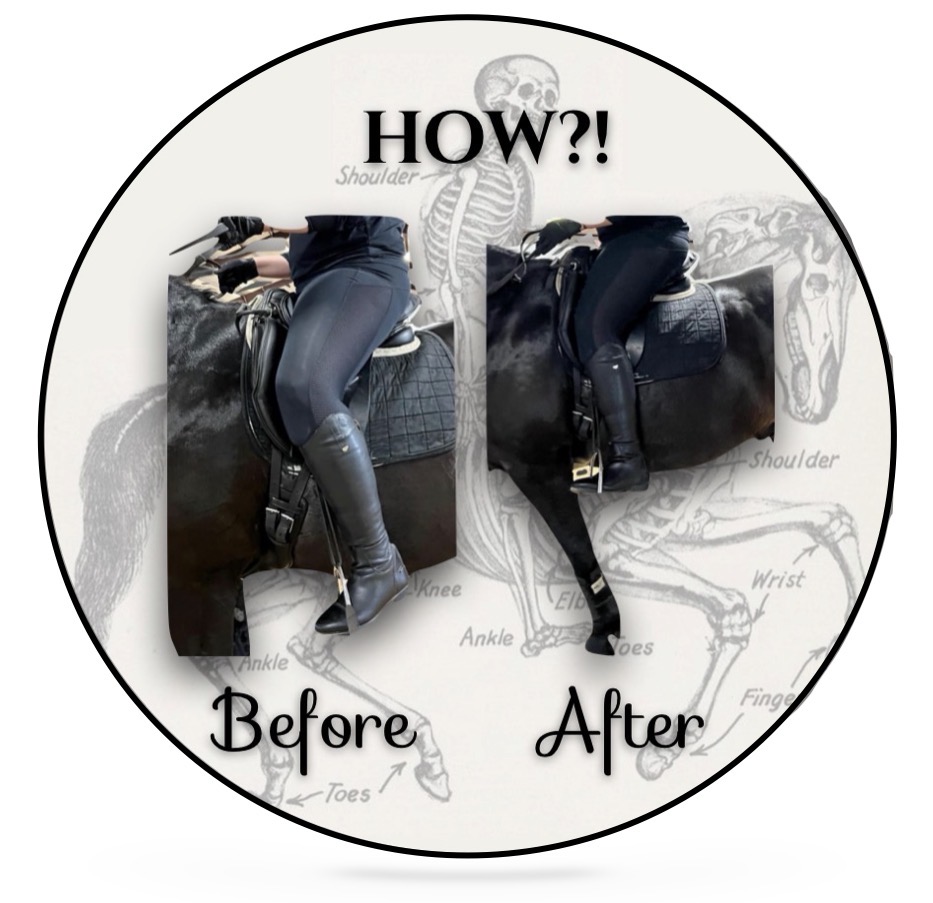
How: My personal favourite! How someone does something while riding…how to get that lightbulb 💡moment! Or how to achieve it AGAIN. That’s even harder. That’s why journaling is so helpful. It provides a space to write EXACTLY what you felt and where within your body; from what gait you were in, where in the arena, how did you use the leg? When? Why? How much pressure? Was it a “get in & get out” leg aid? A squeeze leg aid, a soft leg aid with a tap of the whip? If you’re a good enough rider to be able to hold your femur rotated inwards, patella facing forward, feet parallel to the horse, as if skiing—then you can earn your spurs. Until you can keep your legs like that and have a strong, independent seat, you should not be wearing spurs, as they are one of the most refined aids riders have. There is too much spur usage out there right now, it is troubling. I’m glad the FEI is starting to pay more attention to how much spur is used. Same with the double bridle: it isn’t necessary, in fact, it’s really a crutch for most riders, even the most elite. The horse should be light on the aids ALL THE TIME. If they aren’t, then go back down a few levels, lighten the horse to your leg aids and work back up again. A Weymouth is only used for leverage, but with so many horses breaking over at the 2nd or 3rd cervical vertebrae instead of the poll being the highest point, the Weymouth shouldn’t be used in daily riding. That’s what I was taught anyways. Find the How’s in that…
I am concluding with a journal entry that a student of mine wrote when she first started riding with me, knowing nothing about dressage, she was being taught seat lessons on a lunge line. She was a gifted rider, but not yet learned in dressage. Thank you Kim for submitting this! Happy journaling everyone.
“Today in my lesson I rode Zeke on the lunge line. Zeke is a difficult horse for me. Our personalities or riding styles seem to clash. (Jesse had never worked with Zeke before) I also find him weird and awkward to ride, due to his conformational issues.
We worked on relaxing my seat and lengthening my legs. She found that I tend to grip with my knees and lean forward when I’m scared. I’m glad I was on the lunge and Jesse had control over Zeke, which allowed me to relax and worry about me and not the horse while I focused on myself.
During the lesson, Jesse asked if she could move my legs into the correct position, (I allowed her to) and once I finally felt where they needed to be, our ride went a lot smoother, and our bodies felt more in sync with each other. I felt my groin and thighs relax in a different way than I’ve ever experienced. I felt that my toes were curling less in my boots, which Jesse could see, as if with X-ray eyes, just by how my muscles were working.
I’ve always had all the pieces of the puzzle, but this lesson Jesse helped me fit them together to be more successful with this horse.”
If you enjoyed this type of article and want more, similar articles, please ❤️ or COMMENT in the forum below.

This article is dedicated to my belated, 15 year partner in crime, Oshka, (Berioshka=birch tree) who literally sat by me from 1995-2010. I STILL think you’re in the arena or on a cross country course with me when I teach or ride. I miss you, Oshkie 🌈🐾💔
PLEASE LEAVE COMMENTS OR ASK QUESTIONS ABOUT THIS ARTICLE IN THE FORUM BELOW
 Jesse Kassner began her riding career in 1984 and transitioned to dressage in the early 1990s, quickly dedicating herself to the development of classical fundamentals. She was asked to be an instructor at age 17 in 1994. After graduating from university, she founded JKK Dressur, LLC, in 1999, where she has since taught, trained, and sold horses throughout the region. Jesse further refined her expertise through extensive training with FEI competitors and classical dressage masters in the United States, United Kingdom, and Germany, ultimately riding Grand Prix horses across three countries.