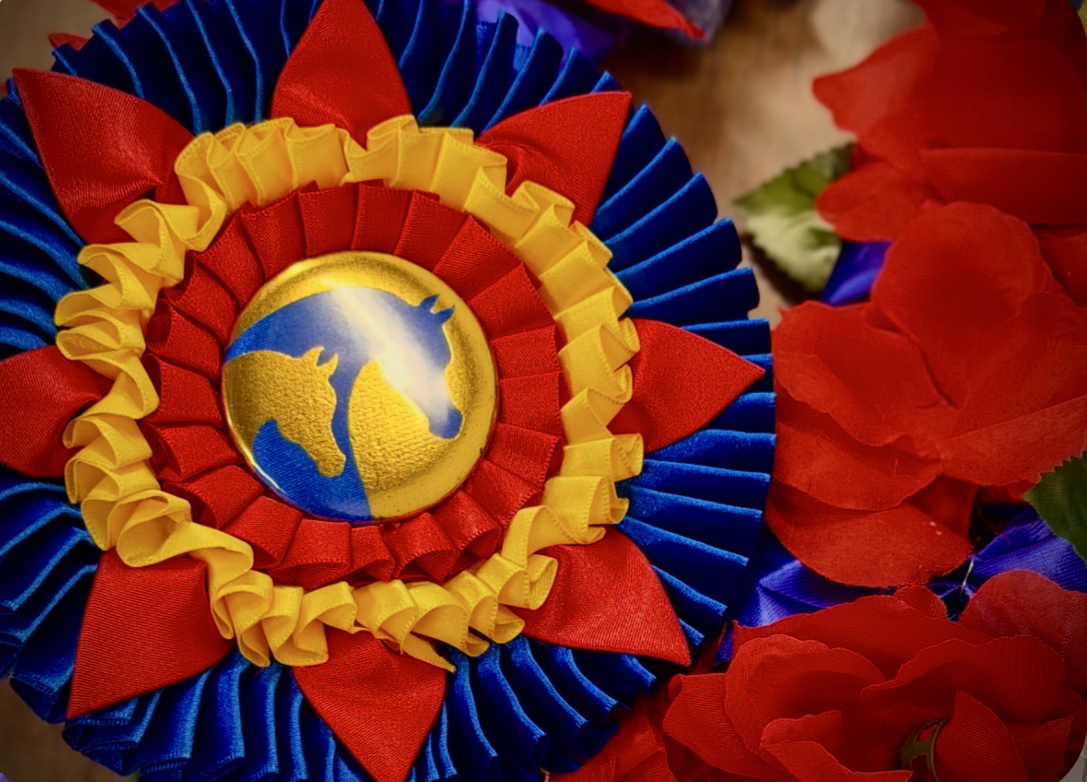
Region X Arabian Championships, Oshkosh, Wisconsin🇺🇸at Sunnyview Exposition Center.
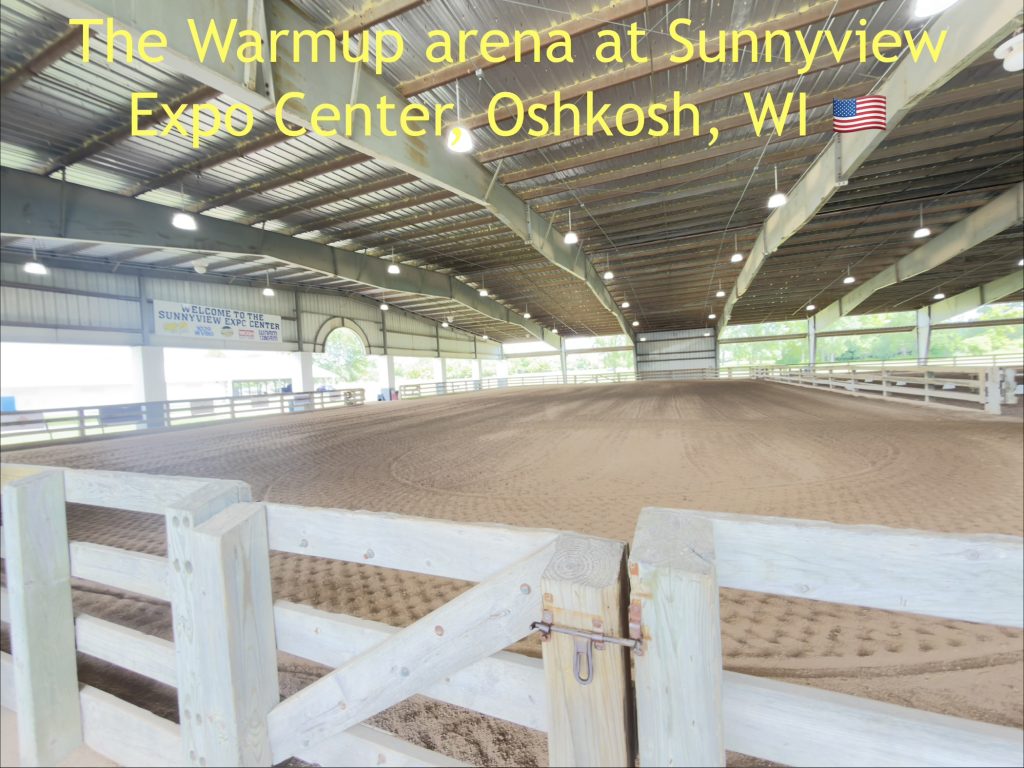
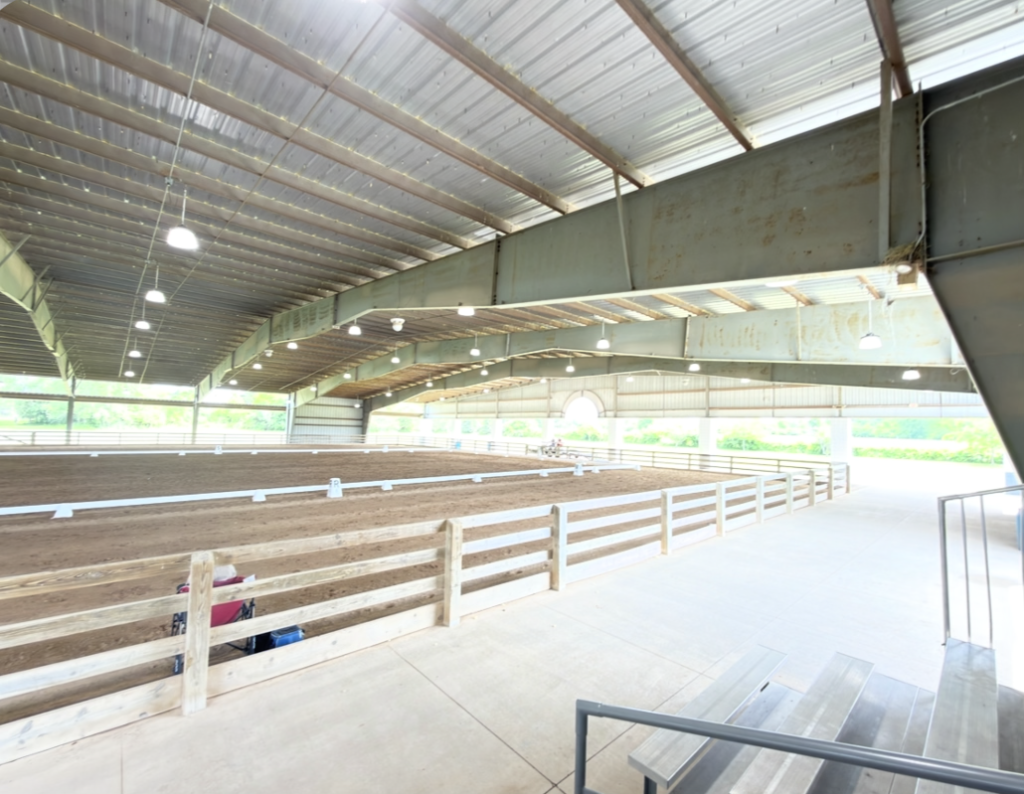
We attended the closest Western Dressage show that we were able to from June 17-21, 2026, to watch The Region X Arabian & ½-Arabian Championships and had a wonderful experience. There were outdoor classes, such as in-hand classes and flat classes, while the massive semi-indoor arena was set up with a warmup arena and 20m x 60m+ dressage show arena. The classes were for fullbred and ½-Arabian horses to compete to try to earn their places in the Regional Competition.
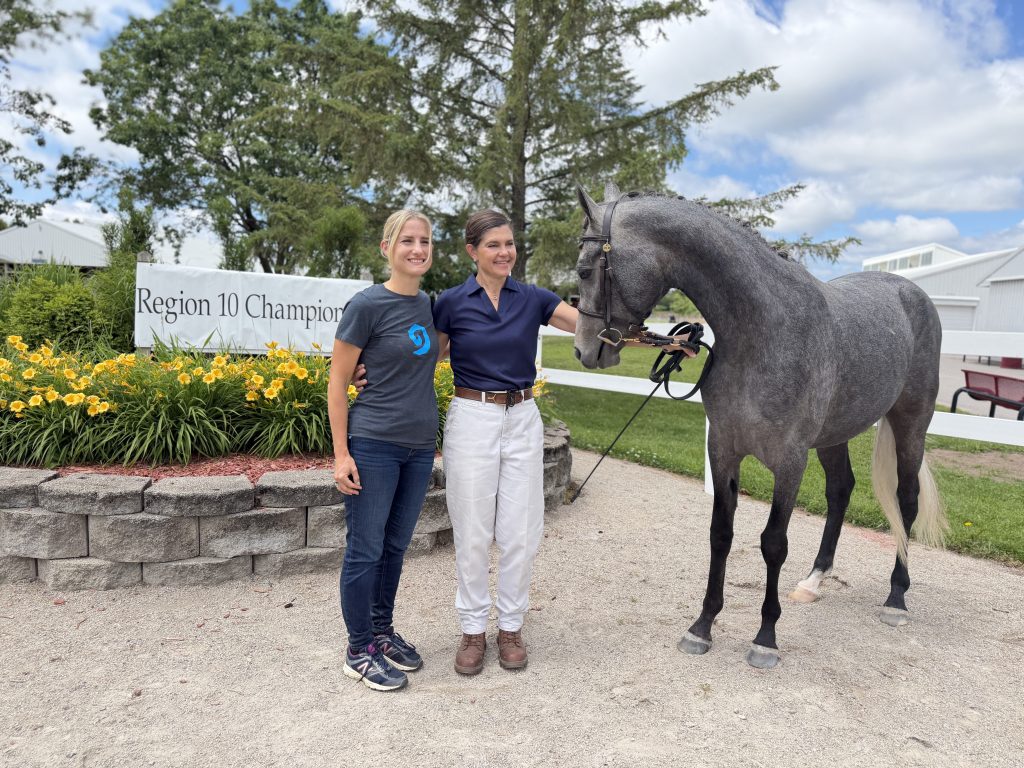
This show featured everything from “rail” classes (like open show Flat or Equitation classes), to Dressage and Western Dressage tests. This was an action packed, extended weekend of showing with gorgeous weather and friendly people with one definitive thing in common—horses!
The world of Western Dressage
is a lot like the world when I left the show ring to become a Classicist in the art of dressage in the late 1990’s. Down played tack, focus on the horse, rider, and training was the overall picture. It brought me back quite a bit. The only real differences were the tack and the fact that certain half- “breed” horses were allowed to do a jog, a pace, or tolte—as per breed.
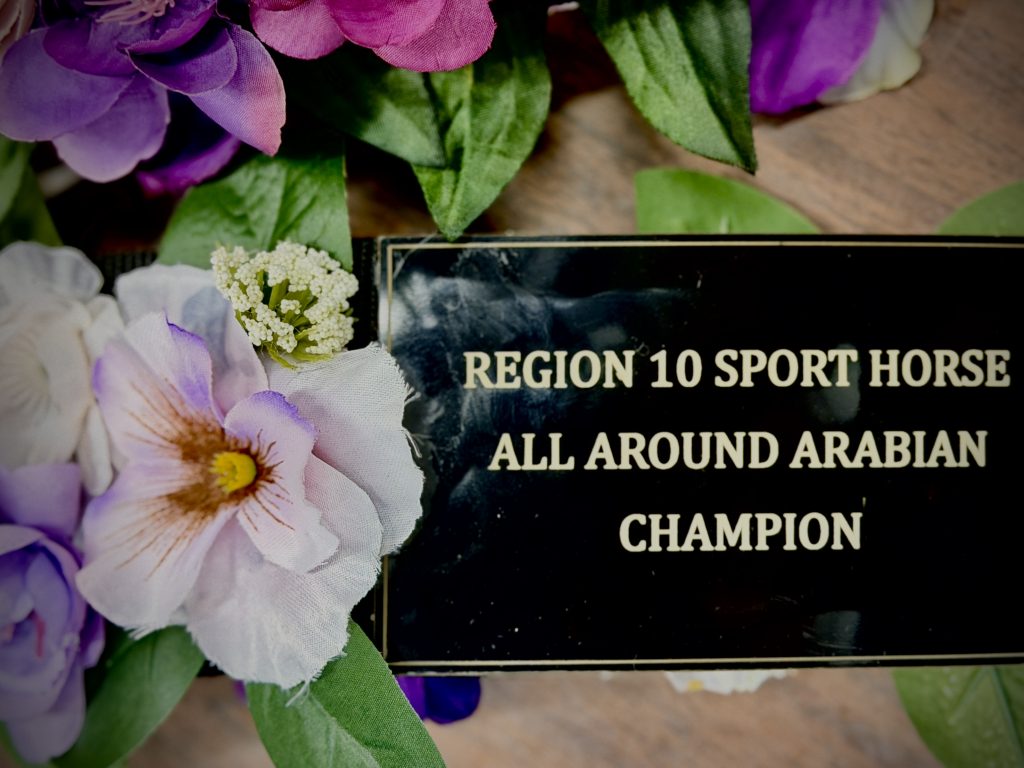
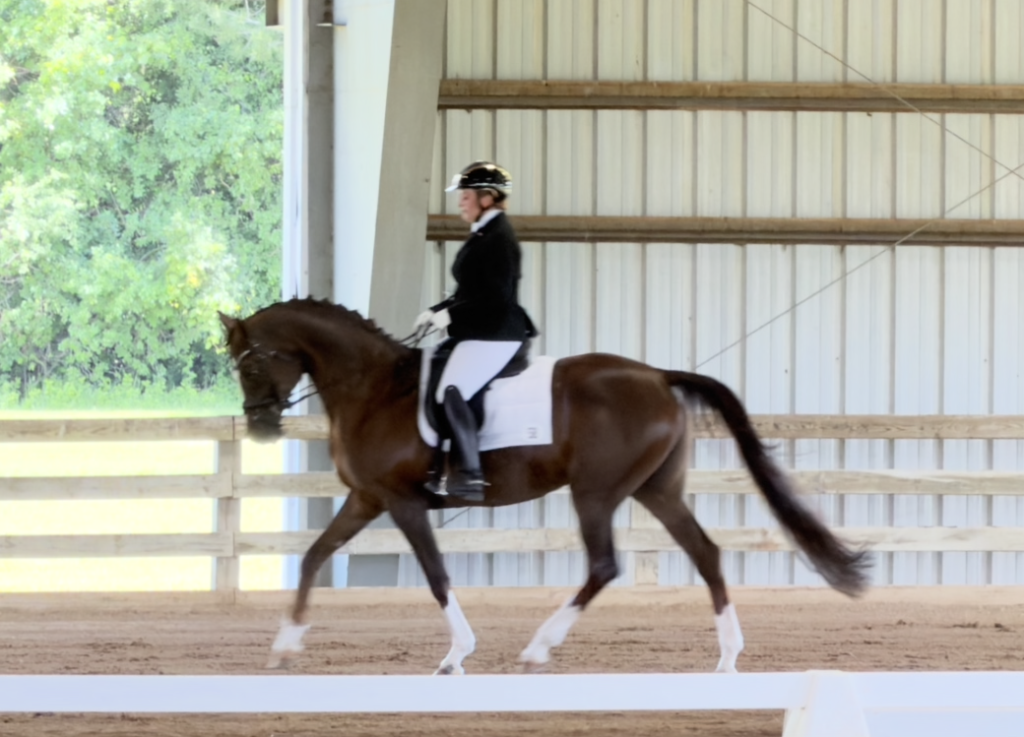
All of the horses in the Region X Championships were purebred or ½- Arabians, therefore when the test called for a “jog,” the horses trotted versus what Western pleasure riders would call a jog. (Which is kind of like watching a horse that you KNOW trots, but now with a pair of tight, wet pants on)

Most riders that did Western Dressage also competed in regular dressage tests up to Prix St. George’s.
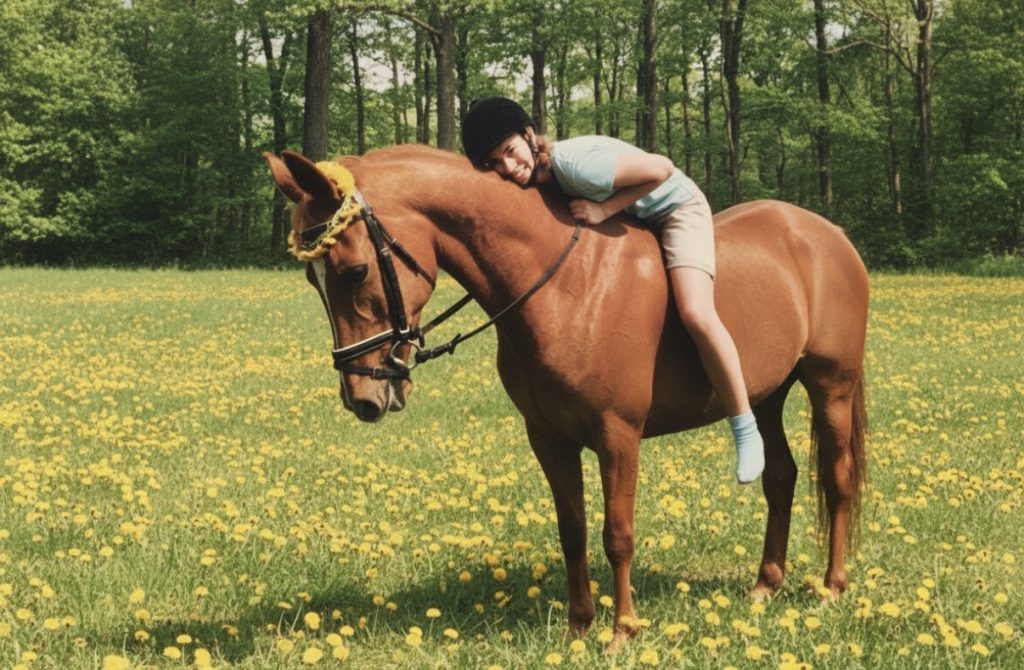
As for it being an all-Arabian show, it wasn’t like what I was in showing in the local WAHA (Wisconsin Arab Horse Association) shows in the early 1990’s, with my own Polish Arabian, Elifix, by Sarafix, by Elimar, whom my parents bought from a French Comte through the now late, Tom Poulin.
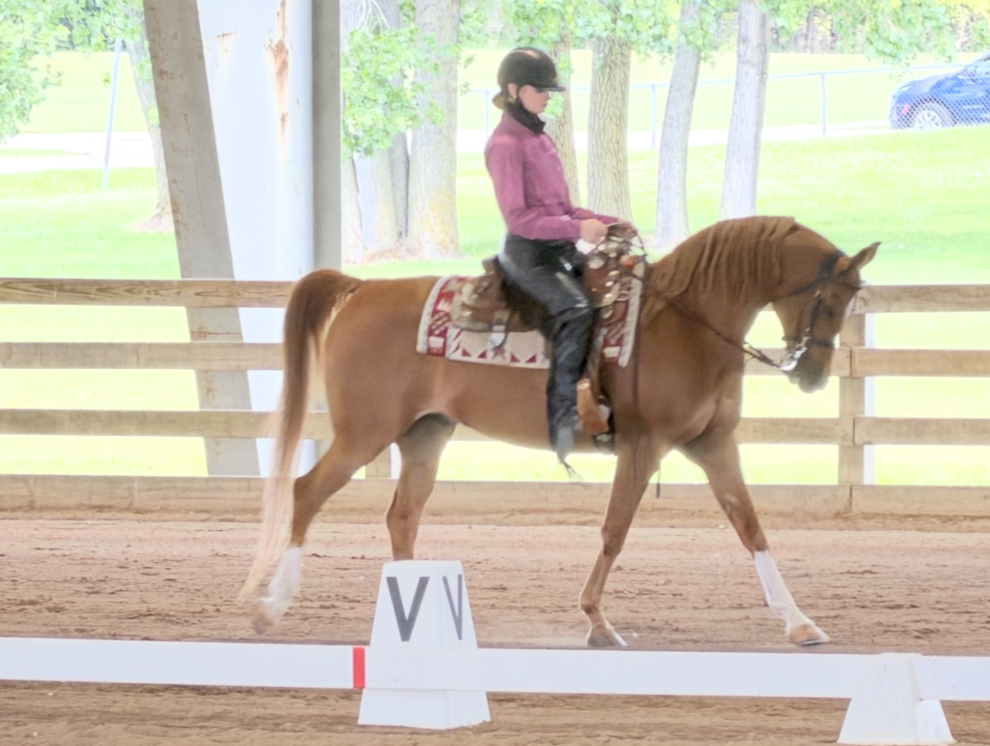
The horses were not rein lame, nor schooled in draw reins in the warm up like the olden days. They were happy, forward thinking horses—just focused on their riders, as all dressage, Western or English should be.
If there was over flexion, or breaking over at C1-3, instead of the head hanging from the poll—being the highest point— that was all on the rider, which I’m sure the riders were aware of in the Western Dressage tests.
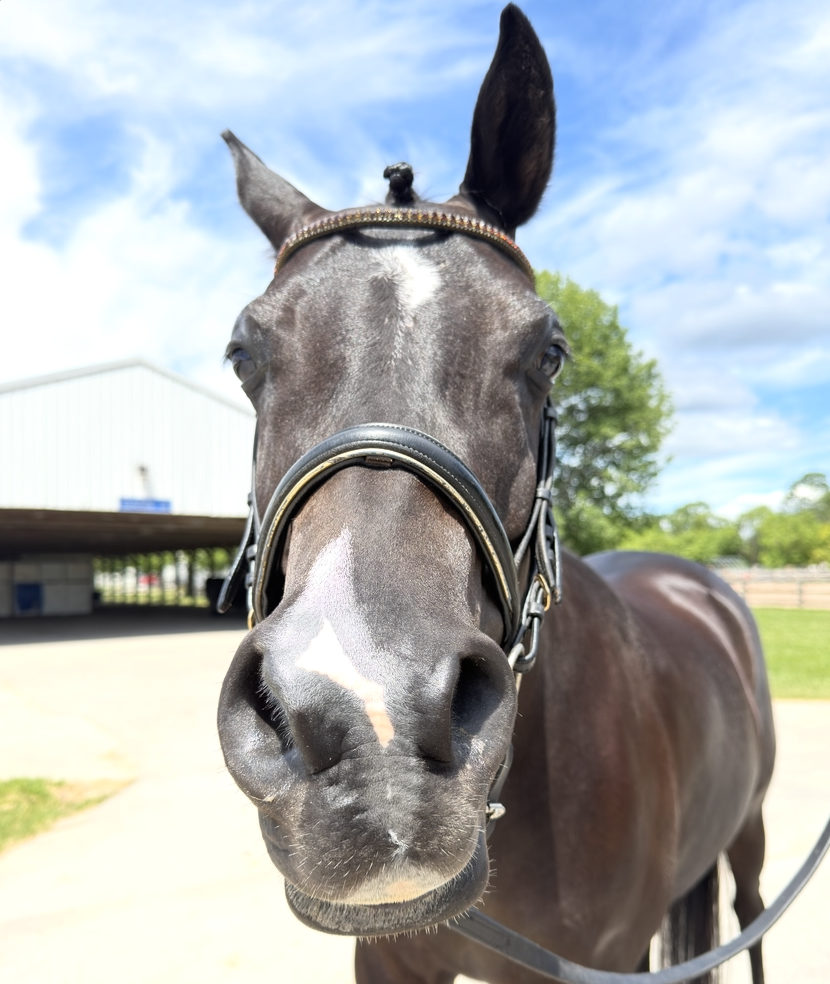
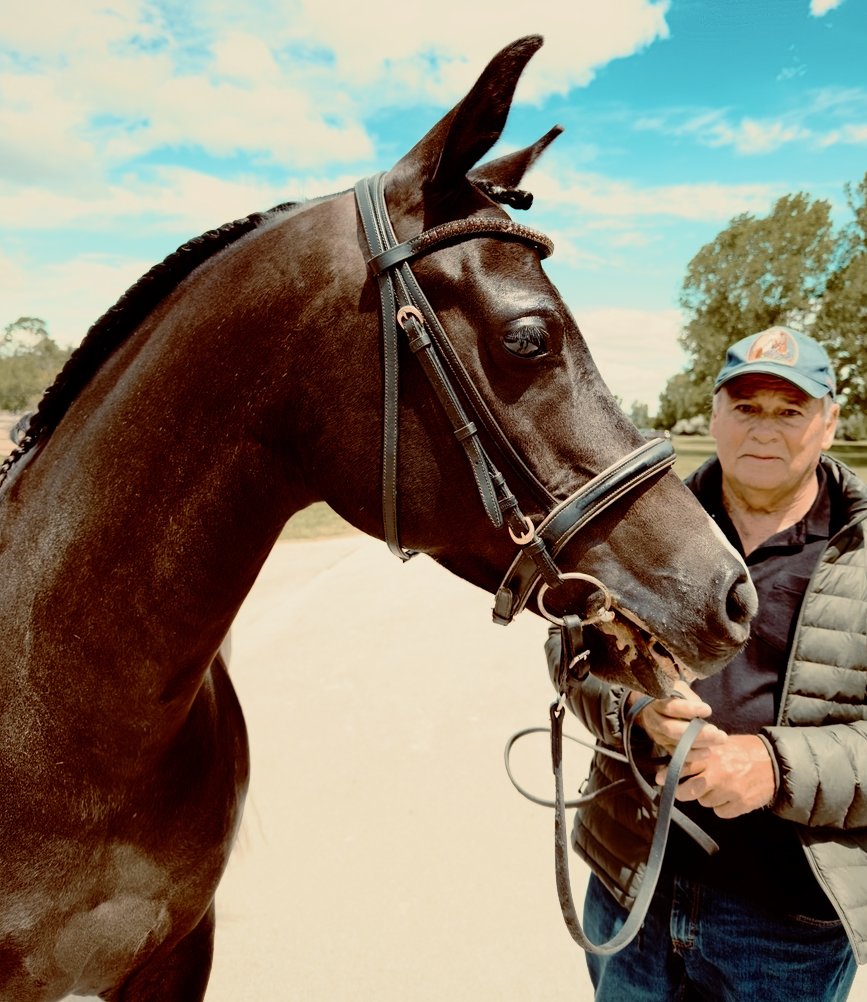
Horses in the show rings were as content as in their stalls, which was pretty content for horses that weren’t at home eating grass in the pastures, like any average equine. There were no signs of obvious stress, no contraptions on them in stalls like at some Arabian (or Saddlebred) shows. This was just a bunch of people and horses having a fun time in a set back area of Wisconsin.
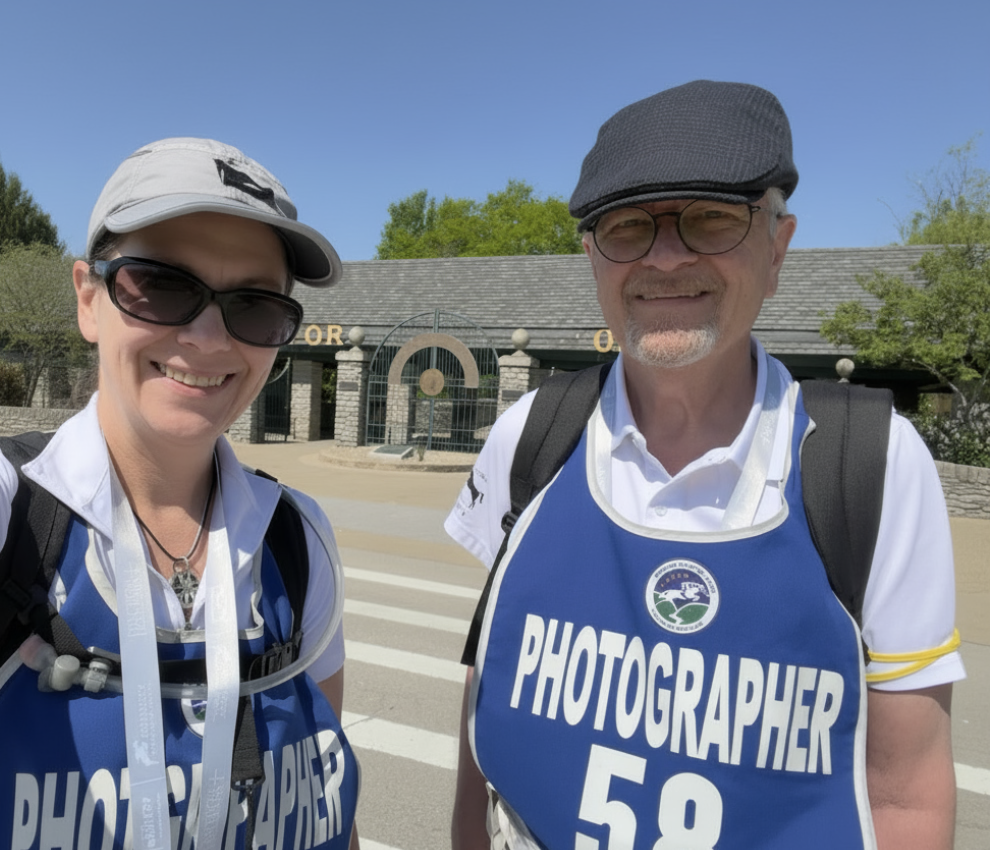
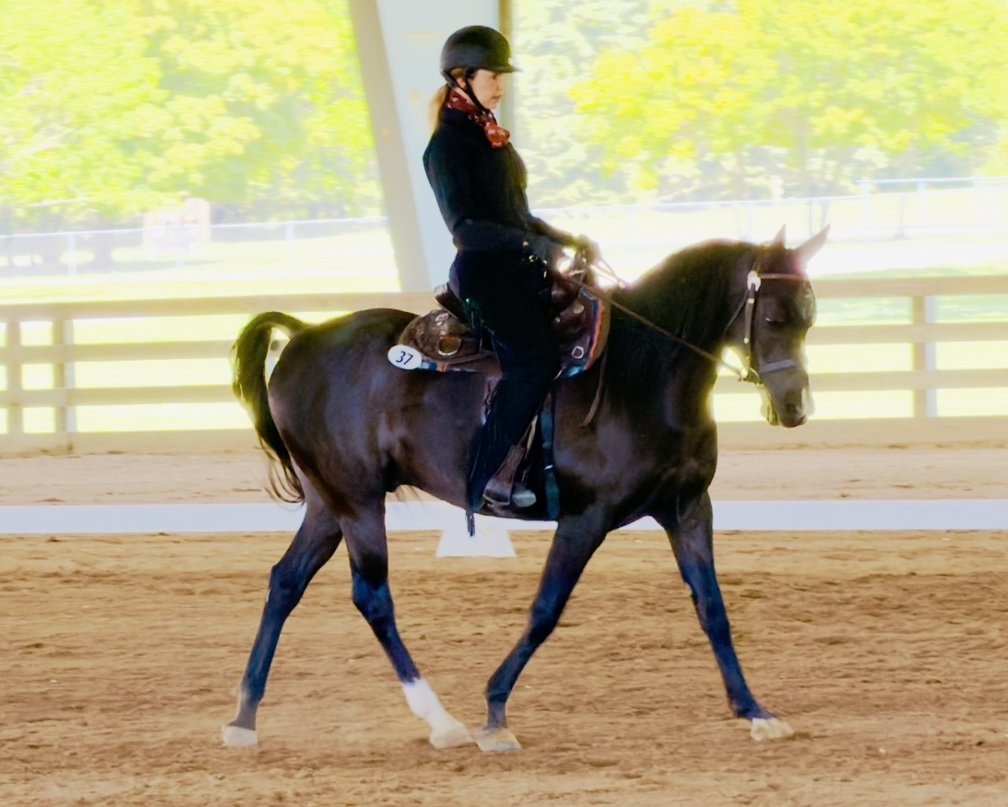
Unfortunately, the “indoor” did not lend itself to good photography—a panel of corrugated sheet metal, then a panel or 2 of open air held up by large steel or breeze block pillars let too much or not enough light in. So we apologize for the photos being out of focus—we had good cameras, just not the right lenses for the job.
The people at this show were extremely helpful…not just to us, but to each other. Being the Championships, I personally didn’t sense any big vibes of “this barn versus that barn,” which I had grown up with in the “regular” dressage show world. People didn’t know us from Adam, as we were obviously new on the scene, but we wanted to do their discipline and our business proud. Both my dad/business partner and I felt whole-heartedly welcome and people were genuinely interested in what we were doing there.
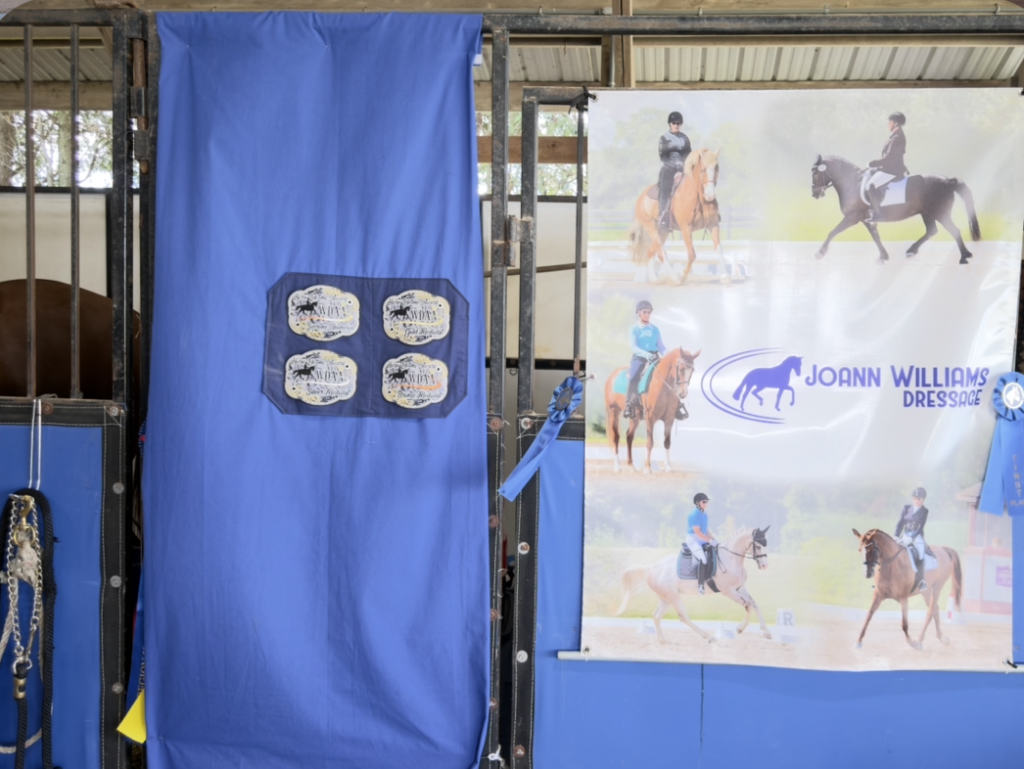
We did run into some familiar faces—Joann Williams, an author for us, as well as USEF “R” judge, and Madeline Erce, USEF “r” judge, were there showing and racking up % points in both Western Dressage & Classical Dressage.
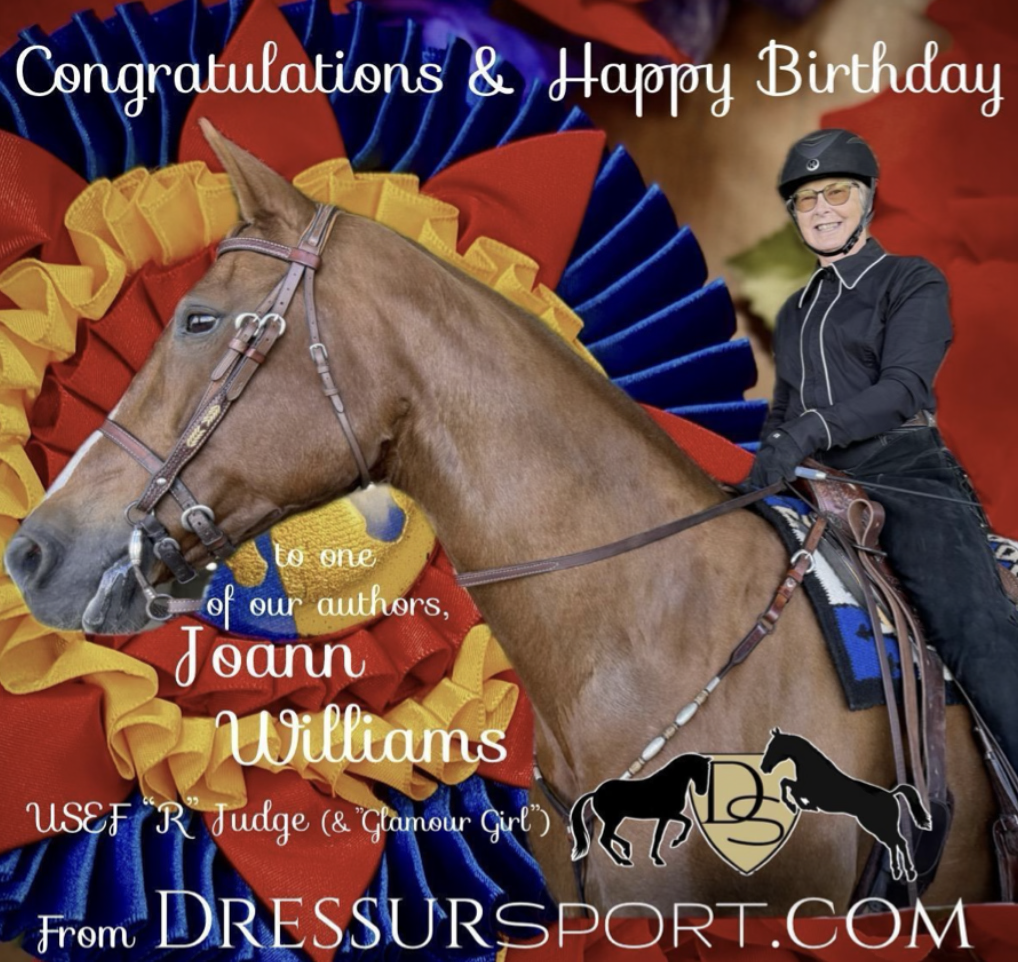
We had a chance to sit down with Joann and watch her score online submissions for Western Dressage tests, (though I’m not a licensed Judge, I know what I’m looking for, so whomever the woman showing with jeans on a brown & white paint was: nice test. You had an official R judge & classicist judging that ride) which she walked us through process—using the following all at once: her phone + ipad + computer. It was quite amazing how far the sport of (western) dressage has come. We also had quite the chat about articles to come that Joann hopes to work with us on. She’s a no-nonsense, yet fun kind of woman!! If I still showed, she’s the type of person I’d want to be around.
THE DIFFERENCES BETWEEN CLASSICAL & WESTERN DRESSAGE
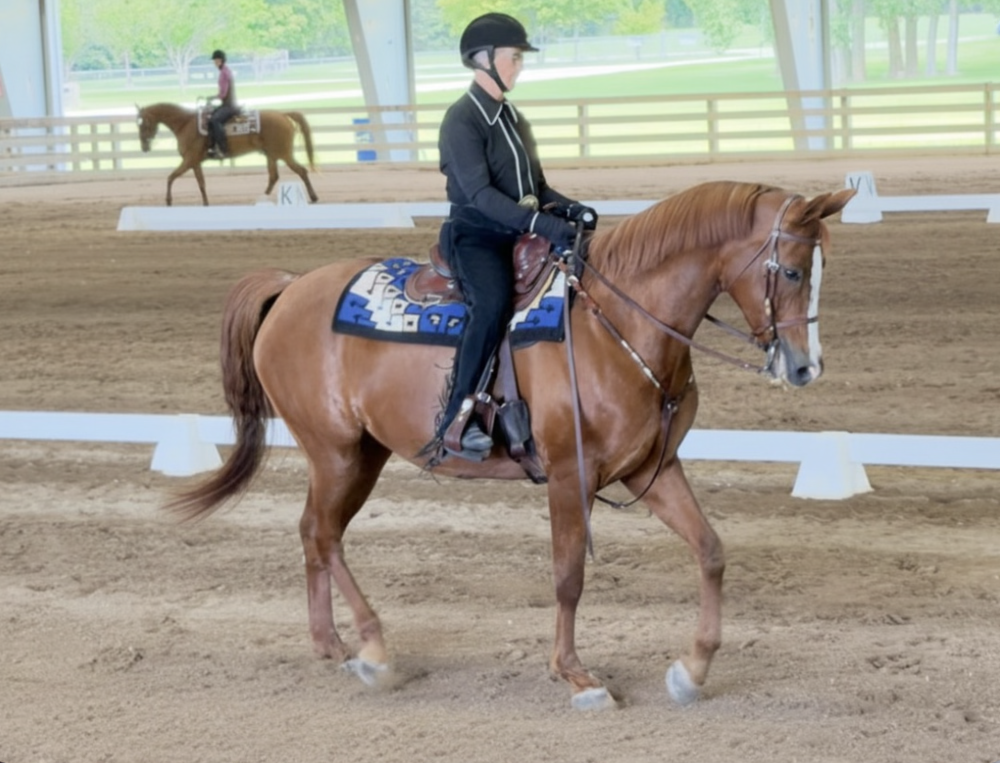
JOG vs. TROT
In Western Dressage, there should be a clear rhythm with swing through the back, and a moderate amount of suspension will earn a higher score in Western Dressage. The desired tempo of the jog may be a tiny bit slower with 1-5 beats per minute.
In Classical Dressage, the only big difference is that the trot is more forward, with more suspension and in the higher levels, the horse is also ridden in a more compact frame.
REIN-BACK/BACKING UP
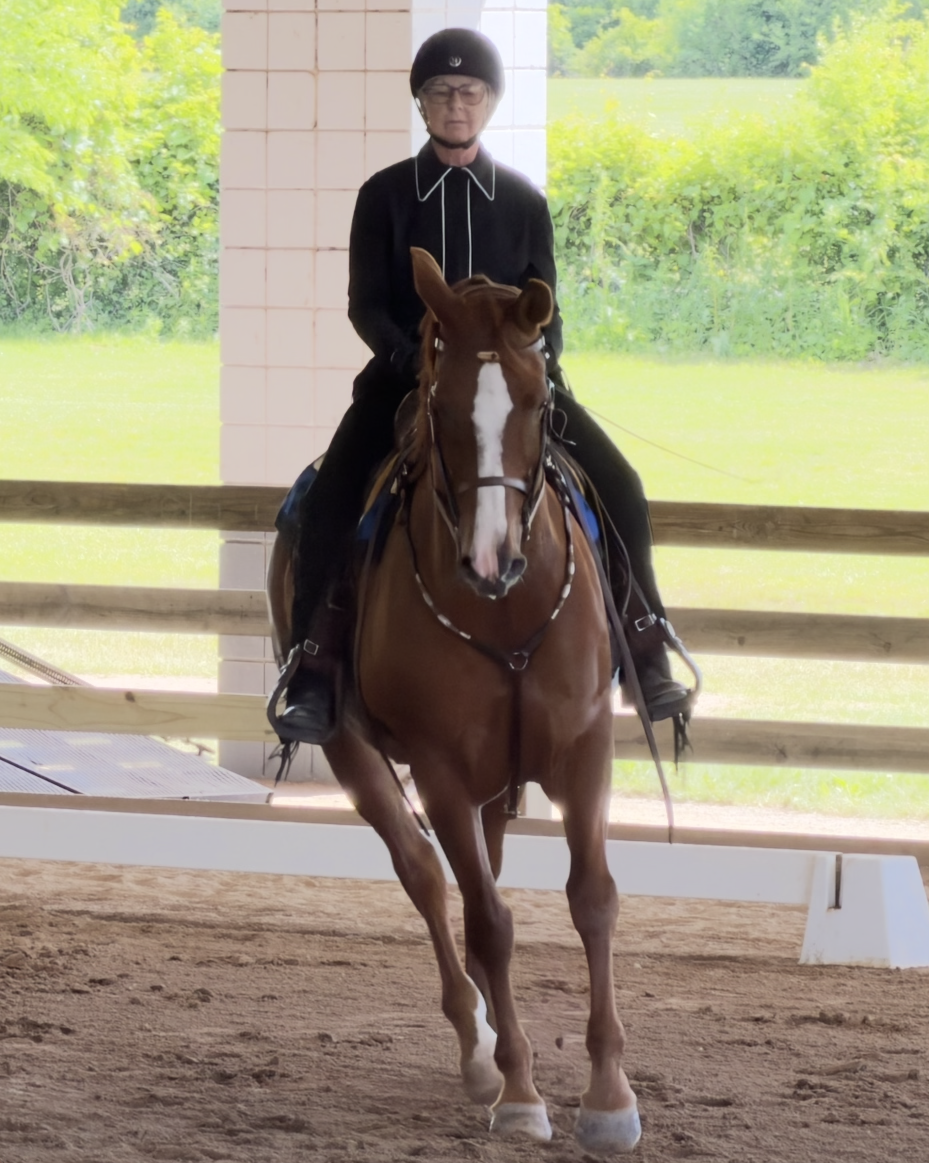
In Western Dressage Level 3 test 4, there is a long distance between letters (from P to B) where a horse must back up, which is many more strides than the 3-5 steps required in Classical Dressage, then immediately proceed in collected lope.
LOPE vs. CANTER
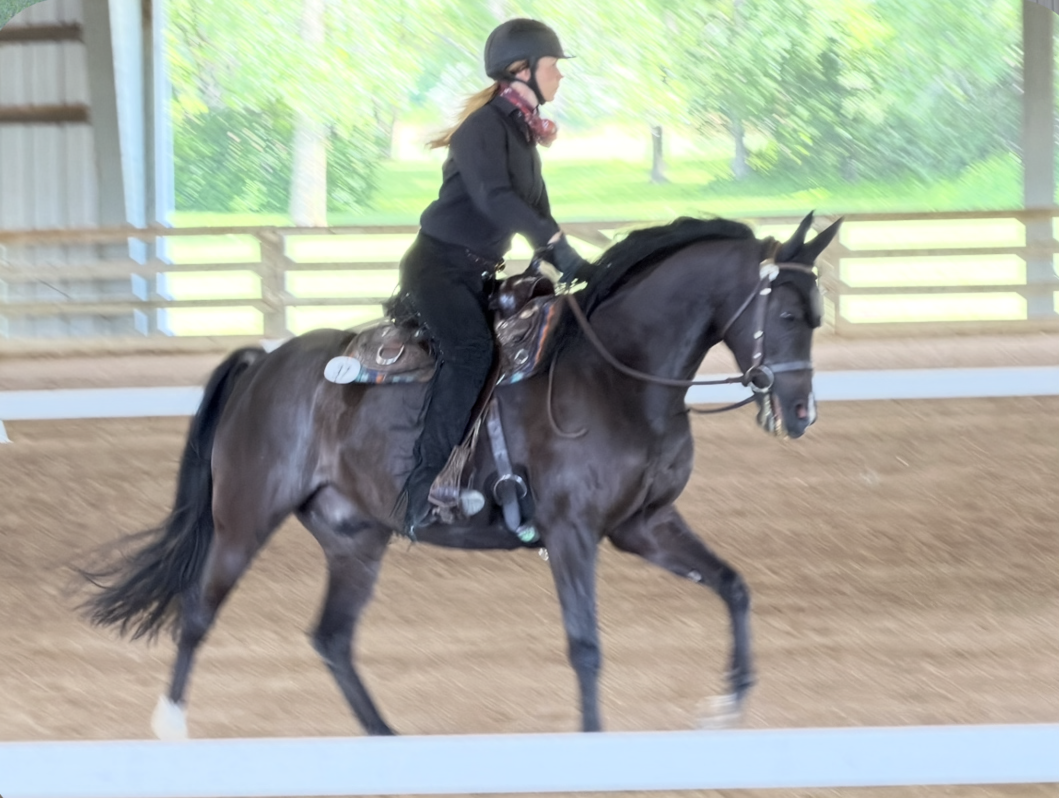
There is very little difference between the Western Dressage lope and the Classical Dressage canter. In both disciplines horses and riders are rewarded higher points for maintaining both a clear rhythm of 3 beats, maintaining a consistent tempo with a moment of airborne suspension. In Western Dressage, huge airborne suspension doesn’t earn bonus points, like in Classical Dressage; however, the Western Dressage horse needs clarity in rhythm with swing through the back.
FREE STRETCHING
Both disciplines include a period of letting the horse take the reins and stretch down and forward to test self carriage.
In Western Dressage, (Level 3) the rider must reach forward and let the horse take the reins for 4-5 strides, where the horse is expected to hold the quality of the lope with uphill balance and consistent tempo. This can be done on a 15-20 meter circle, depending on the test. There should be clear rhythm with swing through the back, and a moderate amount of suspension will earn a higher score in Western Dressage.
In Classical Dressage, the only big difference with the stretching phase is that it is done in the trot, versus in Western Dressage, where it is done at the lope. In Classical Dressage, this is included beginning in training level. The rider lets the horse stretch down and out for a full circle before collecting up the reins at the end of the circle.
LEGAL BITS
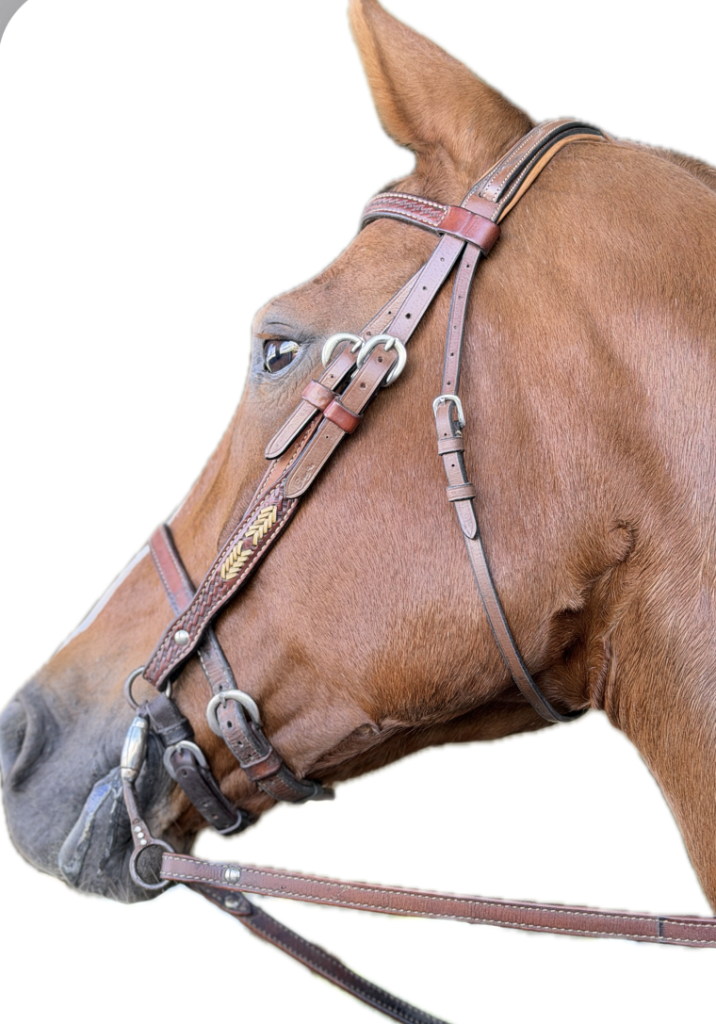
The USEF/WDAA have different Legal Bits, however, the bits allowed in Western Dressage are quite different to Classical Dressage. Here is a link to USEF/WDAA Official Legal Bits, Bridles, & Other Equipment—USEF/WDAA:
Here is a link to the USEF/USDF Legal Bits for Classical Dressage:
https://www.usef.org/forms-pubs/96D17lSsaCo/annex—bits-saddlery-equipment
SADDLES
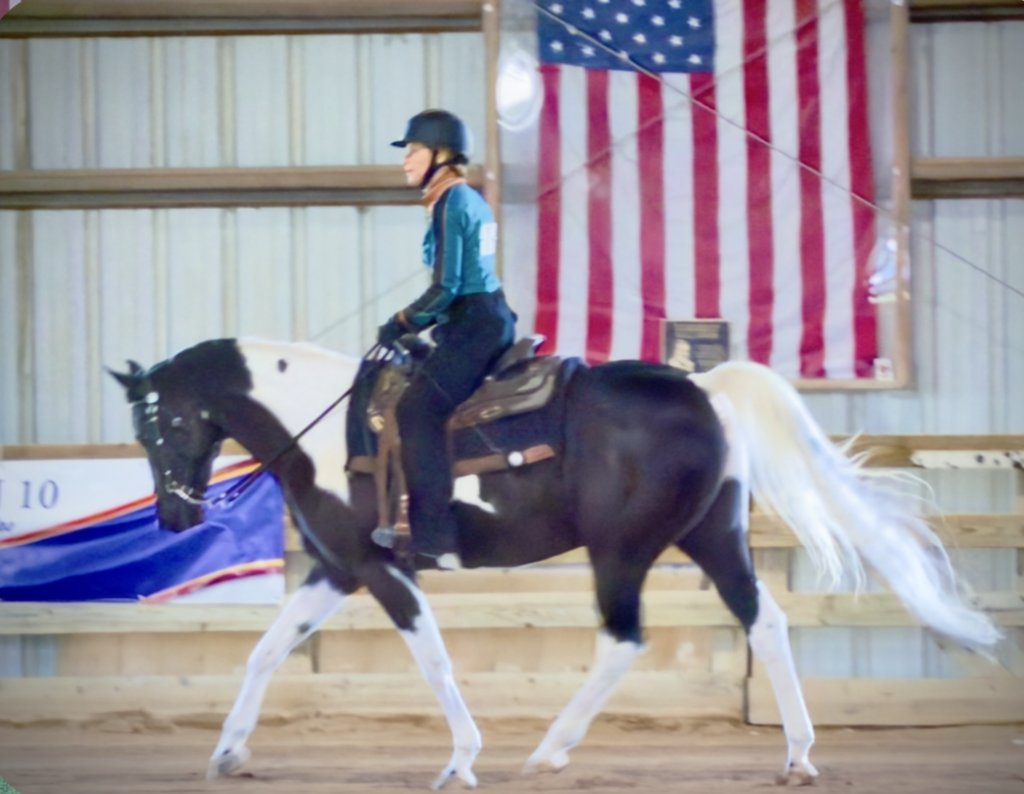
In Western Dressage, the saddle MUST be a western style saddle. The WDAA/USEF Rule Book states: “While classical dressage principles (such as alignment, tempo, and contact) are very similar across both styles, the WDAA rules are in place to preserve the traditional Western heritage of the discipline. Riding in an English saddle—even if it is a dressage saddle—would result in disqualification or heavy penalties in a sanctioned competition.” [1, 2, 3, 4] from Amelia Newcomb Dressage
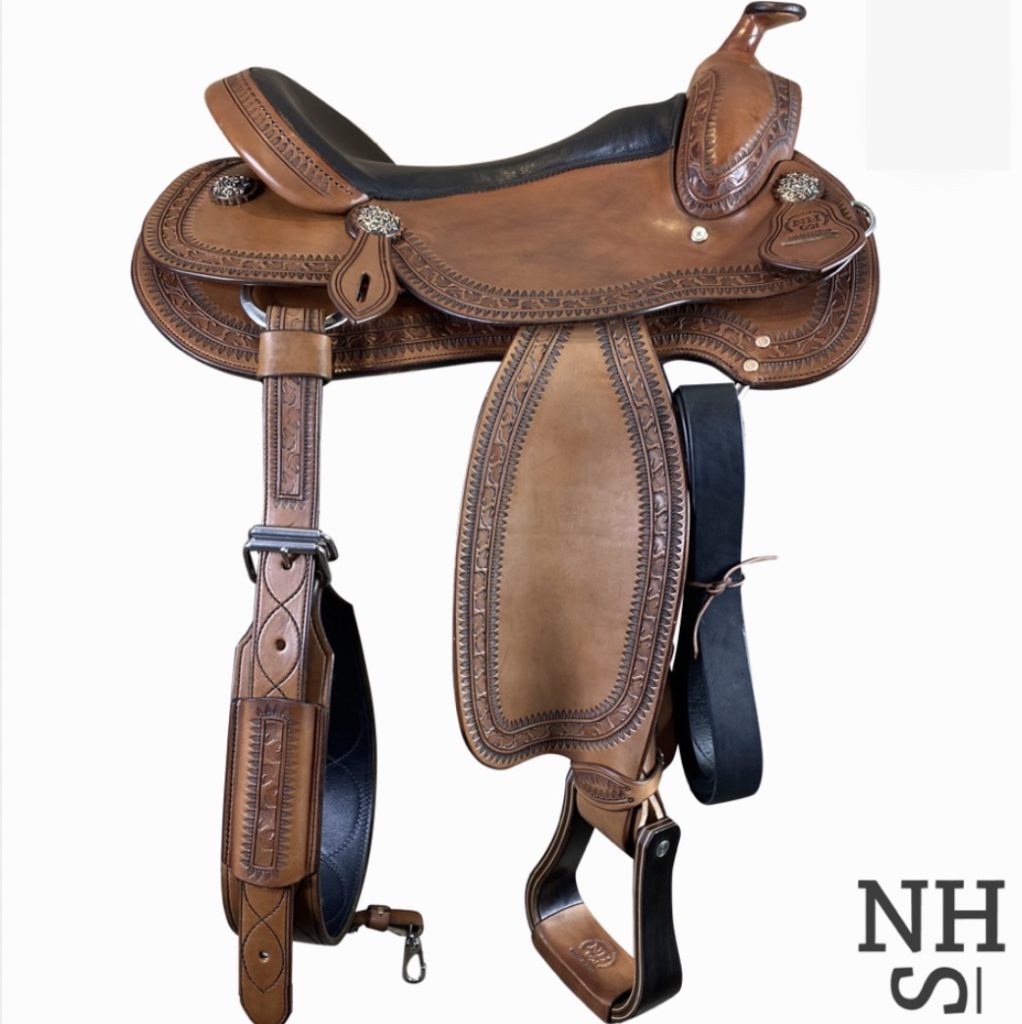
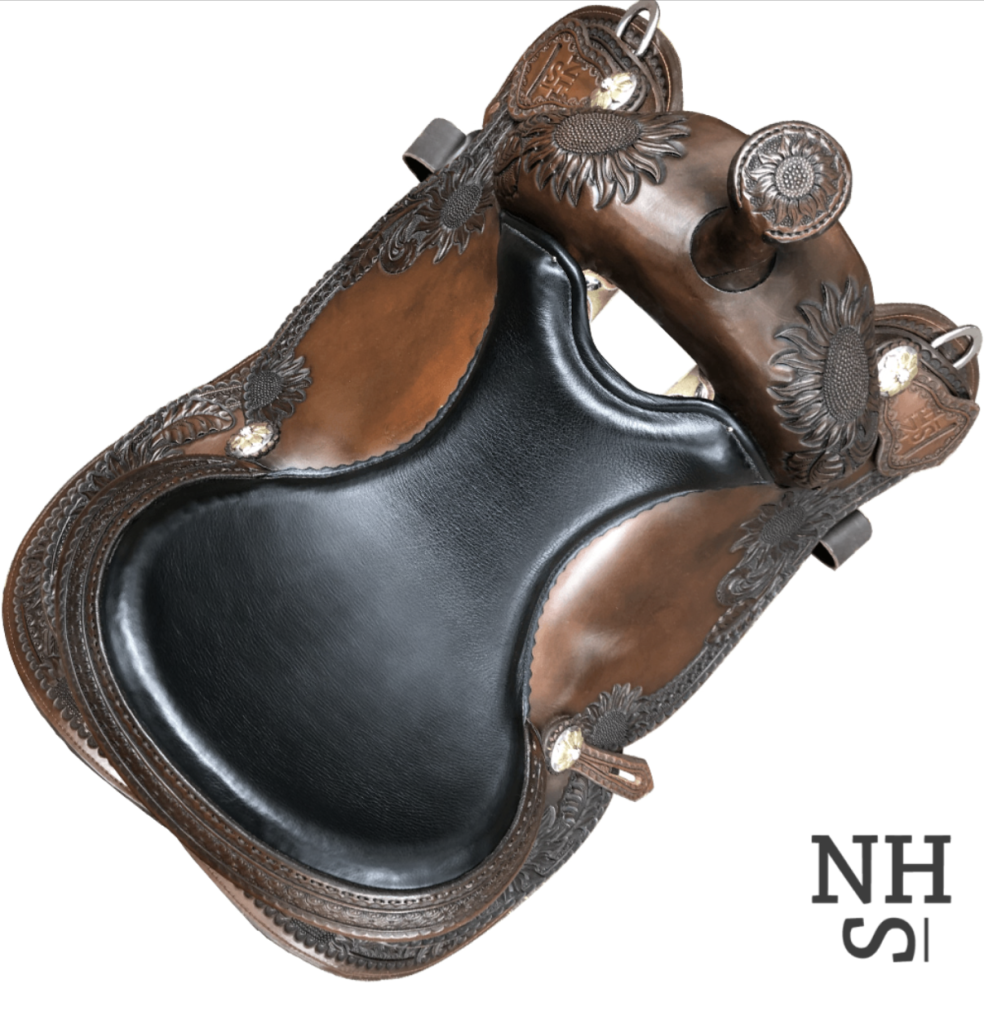
- The Saddle: You must use a Western stock saddle complete with swells, a seat, cantle, skirt, fenders, and Western stirrups.
- Discipline Match: All of your tack and attire must strictly match the discipline. You cannot mix English tack (such as an English saddle) with Western attire, nor can you use Western saddles with an English bridle.
- Allowed Additions: Permitted features include a horn, bucking rolls, and tapaderos (except in Equitation).
- The Bridle: You must use a Western-style bridle, which can be either a standard or bitless bridle. [1, 2, 3, 4, 5] from Nebraska 4H, WDAA, +2
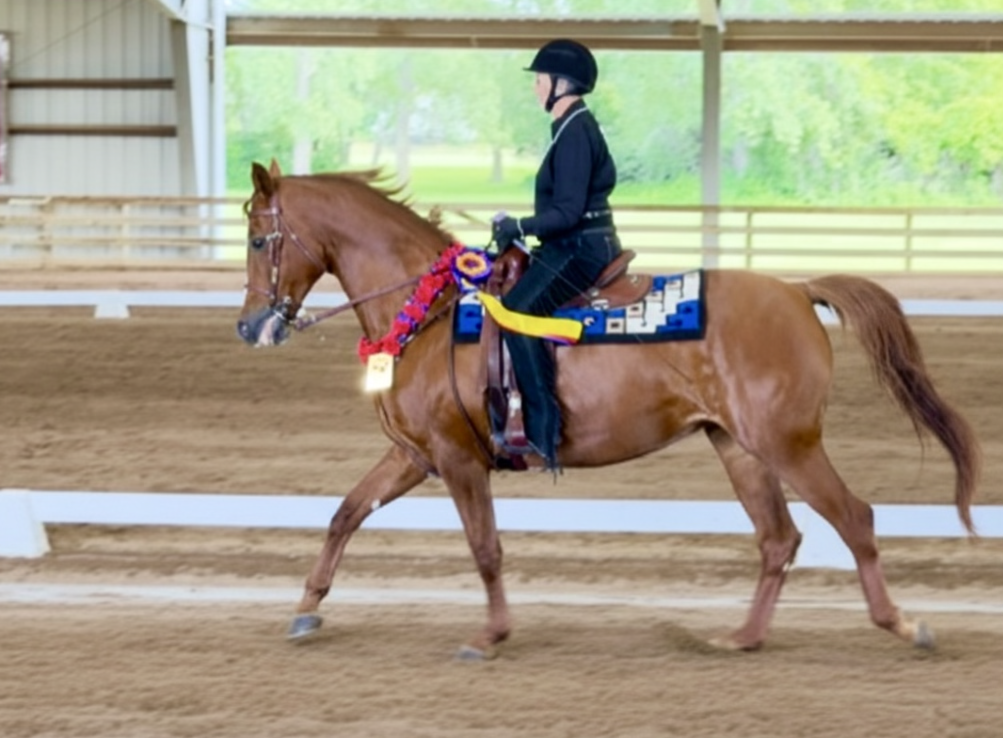
We learned a lot from everyone at this Championship show, and had a really nice time meeting friendly people out having a great time.