DressurSPORT.com recently attended the Western Dressage Association of America’s 2026 World Championship Show, in Guthrie, Oklahoma, in September 2026.
Upon arrival at the show, we were treated like royalty as “media” there to cover the show. We got our press passes, were made to feel extremely welcome, and found everyone from staff, volunteers, competitors, judges, riders, trainers, spectators, and all the folks we came across to be so fun, cheerful, excited to be there.
Competitors’ horses all looked happy and extremely well turned out. This was only the second time we had attended a western dressage event, and we were so impressed by the camaraderie of literally everyone involved with the show. It was low stress, which was even reflected in the horses’ temperaments. We met a lot of important people in the western dressage world there. Judges talked with us, wanting to contribute articles to the magazine in the future, as well as reputable trainers. The show secretary put us in touch with Holly Clanahan, who not only rides and competes in Western Dressage, she is the managing editor of The American Quarter Horse Journal at AQHA. Holly is vice president of WDAA, as well as managing editor of The American Quarter Horse Journal, the membership magazine of the American Quarter Horse Association. Also an equine bodyworker, she lives in western Oklahoma on her family’s cow-calf operation and loves using dressage principles in her boots, jeans and Wade saddle.
We met up with Holly towards the end of the 2nd busiest day of the show, and talked a bit, even though she was extremely busy—we set up a Teams meeting shortly after the show to learn more about the WDAA organization, how it came to be, how it worked, how its rules were made, and its affiliation with the USEF (United States Equestrian Federation). This is our interview transcribed from that Teams meeting…Most of the images are from the most important resource to any western dressage rider—the WDAA website. Thank you to everyone who helped us along!
Link to American Quarter Horse Journal:
https://www.aqha.com/the-american-quarter-horse-journal/current-issue
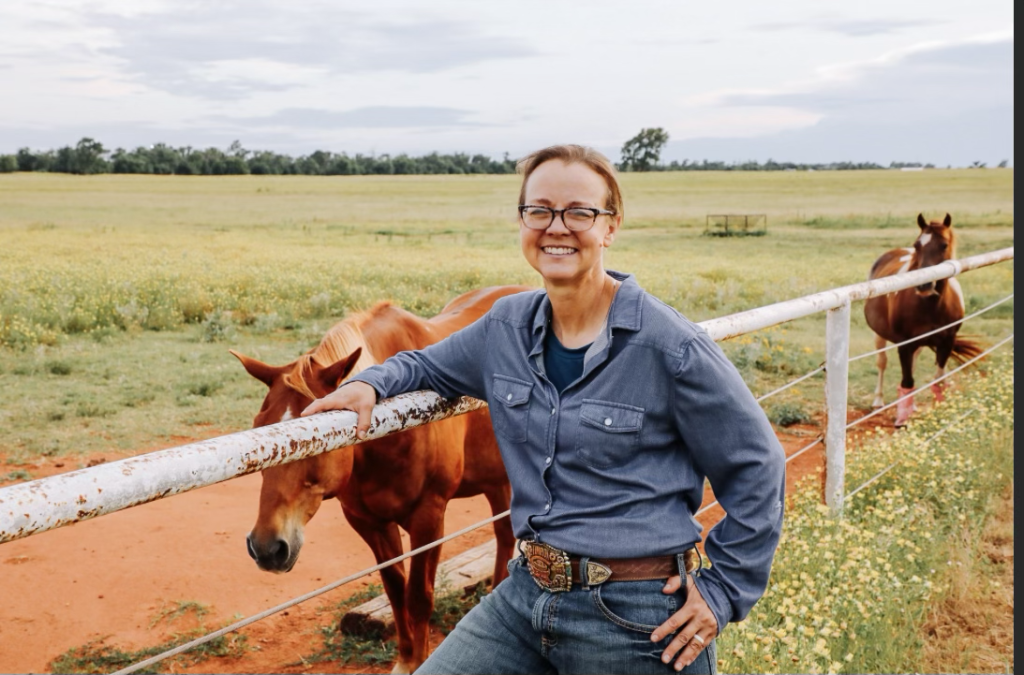
*Holly=Holly Clanahan—AQHA & WDAA affiliate
*DS=DressurSPORT.com LLC Editor & Co-Editor
HOW IT ALL BEGAN
DressurSPORT.com: What year was the Western Dressage Association of America (hereinafter referred to as “WDAA”) founded/when was it started?
Holly: Talks really began in 2010 and just sort of gradually gained steam from there. 2013 was the year that the United States Equestrian Federation (herein after referred to as the USEF) gained approval.
DS: At the 2026 WDAA World Championship Show, this past September in Guthrie, Oklahoma, you mentioned that there was a woman with the Morgan horse breed that founded the Western Dressage Association of America?
Holly: Oh, yes, let me tell you about Ellen DiBella:
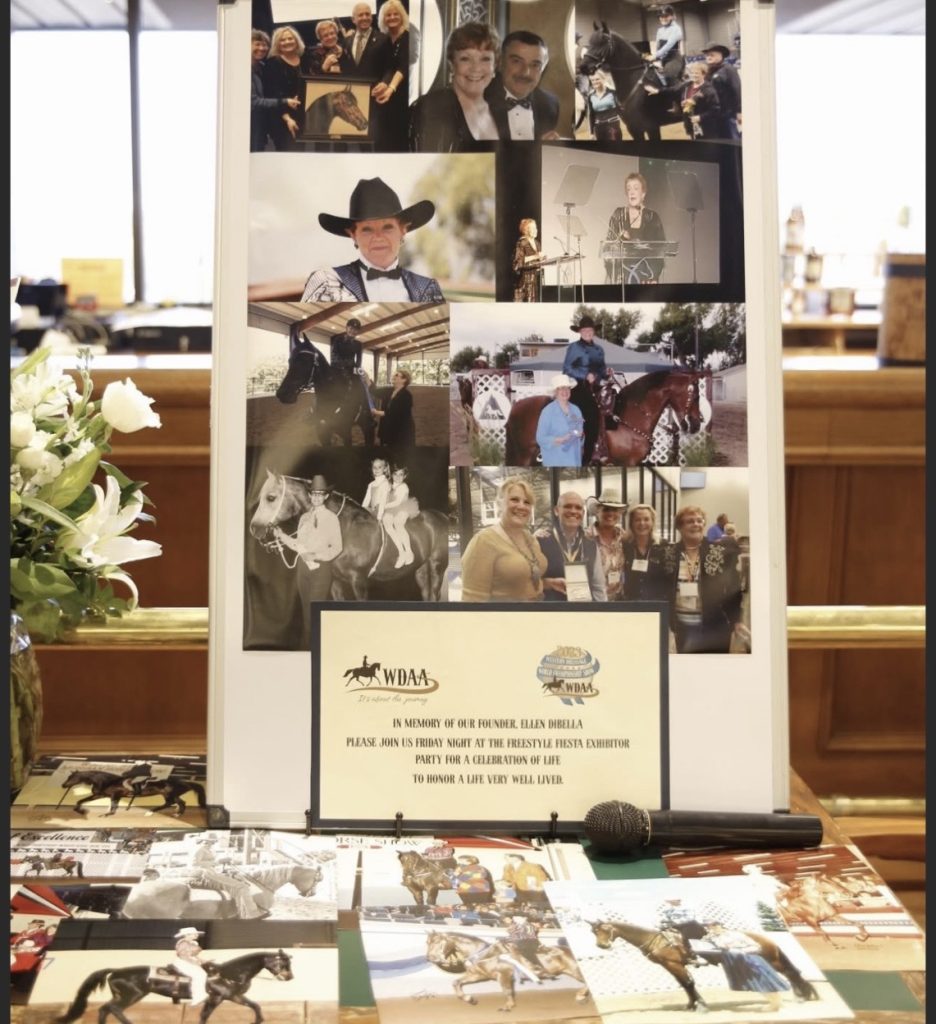
Ellen DiBella is our “founding mother of Western Dressage.”
She began in the 1970s, Ellen started volunteering at a therapeutic riding facility for veterans, and that facility used Morgan horses, and she fell in love with these horses, and what they were able to do for the people. She kind of made it her life’s mission then—to find ways to give back to those forces because they give us so much, you know. Western Dressage basically got started in the Morgan breed, with this therapy program, Ellen was part of—to help bring peace, connection and harmony to both Veteran and the Horse.
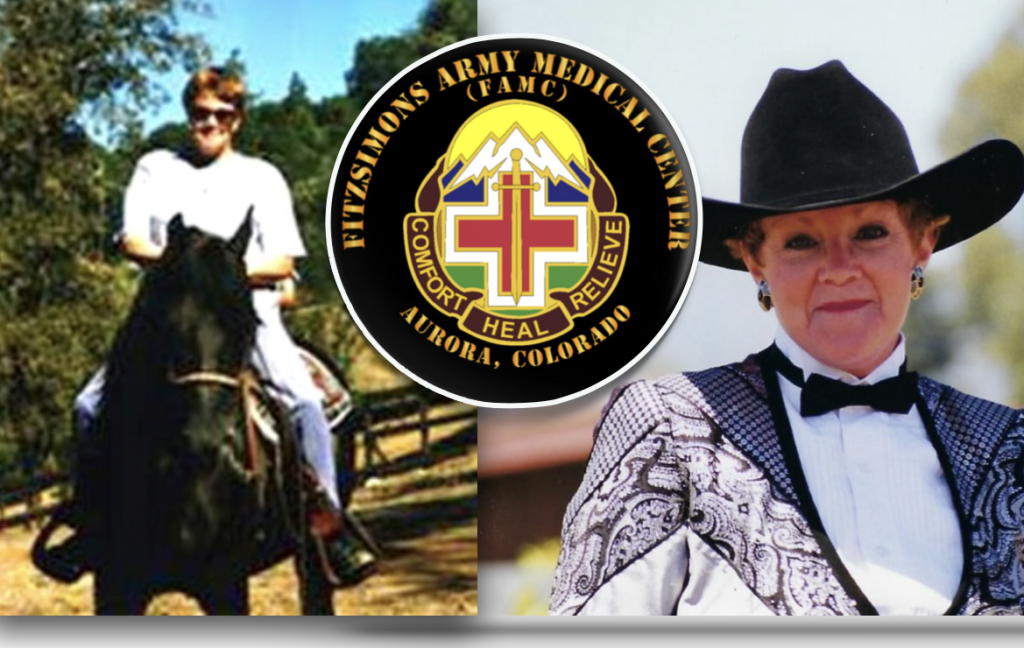
Ellen saw how amazing that [Western Dressage training] was for those horses and how you can ride the horse you’ve got, with no need to go buy special breeds, nor be a specially trained rider—the goal is to include the person and horse that you (the rider) already have, and start working with that.
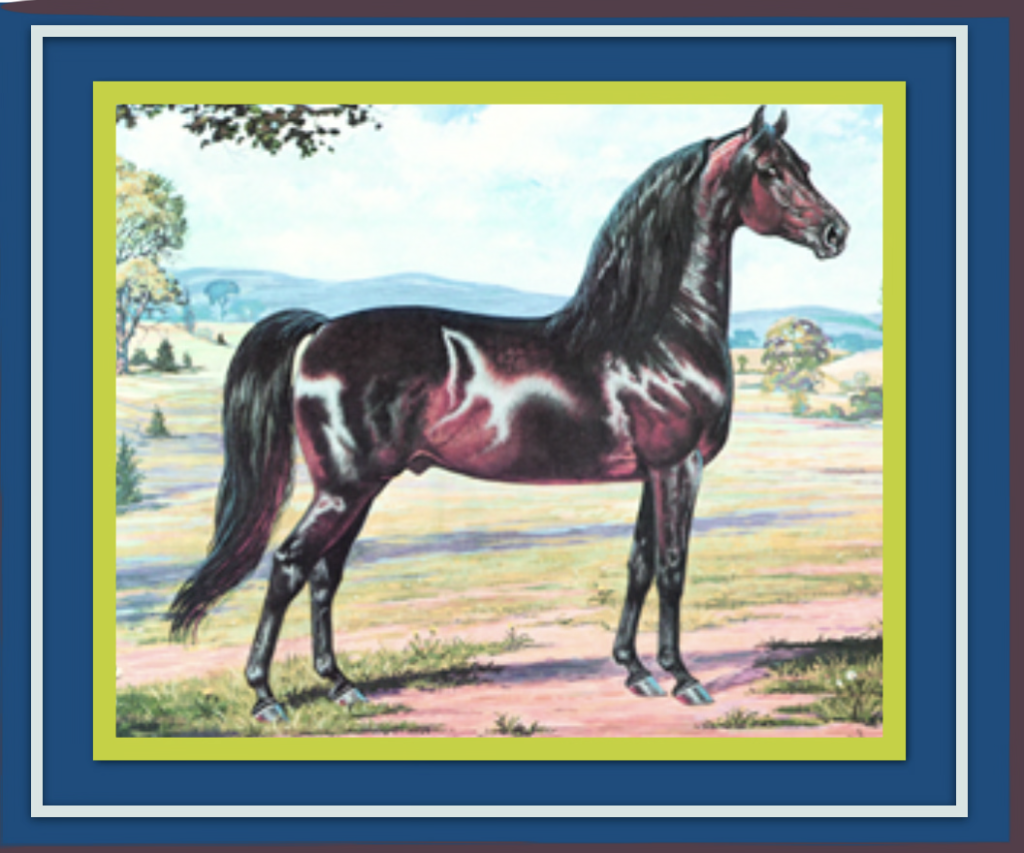
At first, “Western Dressage” began just as a class at Morgan shows before the Western Dressage Association of America became our own separate association.
DS: Wow, that’s a fantastic story!
Holly: Yeah, it really is. And so the motto of WDAA as the organization was forming was, “it’s about the journey.” It’s all about honoring the partnership between any horse and rider. And so that’s what we’ve tried to stay true to this whole time.
📊 STATS 📊
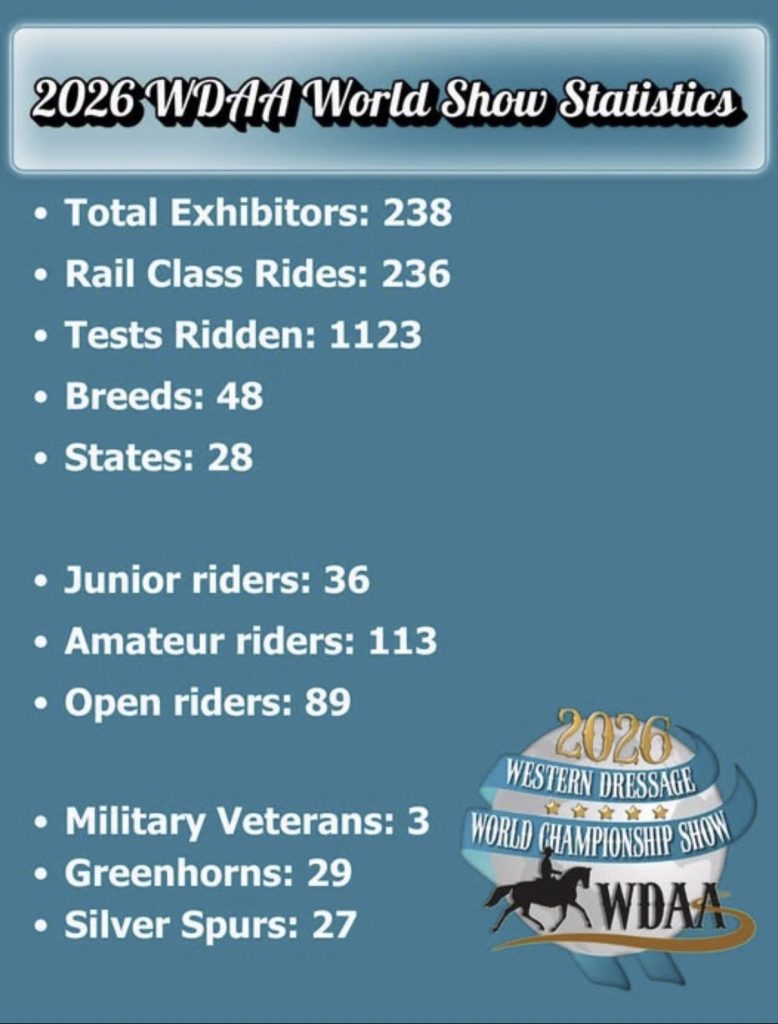
DS: How many people were competing at the World Championship Show this year?
Holly: 238 horse and rider combinations.
DS: How many members are in the whole—the WDAA, internationally? And how many members are not in the United States?
Holly: There are 2,700 members of the WDAA, and we have 55 international (non-US) members.
🛜ONLINE SHOWING 🛜
DS: We have some international authors/members of the WDAA that have written for us that are from Israel and Canada, as well as some from the United States. One author of ours lives in Israel, and she shows with the WDAA’s online showing programs. She has written articles for us and is an international member/competitor of the WDAA.
Holly, how have the online classes impacted the WDAA abroad? Also how did online showing come about?
Holly: Those online shows have been amazing for us to really expand our reach. During Covid, which is when we launched the “Online World Show” in 2020 and continued with the Online International the following year because it was so popular.
DS: Is there any other large western dressage associations in the world that you know of?
Holly: No, there’s really not. At least when we 1st started, there were several, actually…
Western Dressage Association of Australia 🇦🇺(WDA-AUS)
Western Dressage Association of Sweden🇸🇪(WDAS)
So, which is interesting. tends to be how things start the WDAA has kind of been the ones,that survived. “Cowboy Dressage” may still be active.
I’m not certain about that. Cowboy dressage…
(Link to “Cowboy Dressage World”: https://cowboydressageworld.com)
DS: There is something on Facebook called Cowboy Dressage, but I don’t know if that is an association or not. There are a few other international associations that we found online, but not nearly as big as WDAA Facebook link: https://www.facebook.com/share/g/1D77MyS7Pa/?mibextid=wwXIfr
Holly: When Ellen DiBella, the WDAA’s Founder, recently passed away, I honestly don’t know how active the Cowboy Dressage group is/was, but in 2013 the WDAA became part of the USEF—an affiliate for Western Dressage, so that’s really when we kind of took off, because of being “official” and being known as THE Western Dressage Organization.
💭OLYMPIC DREAMS ⁉️
DS: Do you know if there’s any plans in the making towards working this sport into the Olympics? Because Western Reining is (was?) part of the Olympics now..
Holly: Oh, goodness…. you know, I don’t know— I really, I don’t know. That would be amazing if it was, though.
🐴THE BREEDS & RECOGNIZED LEVELS AT THE WORLD SHOW & INCLUSIVITITY 🌐
Link to WDAA Breed Alliances: https://www.westerndressageassociation.org/index.php?option=com_content&view=article&id=64:wdaa-alliance-partners&catid=20:site-content&Itemid=177
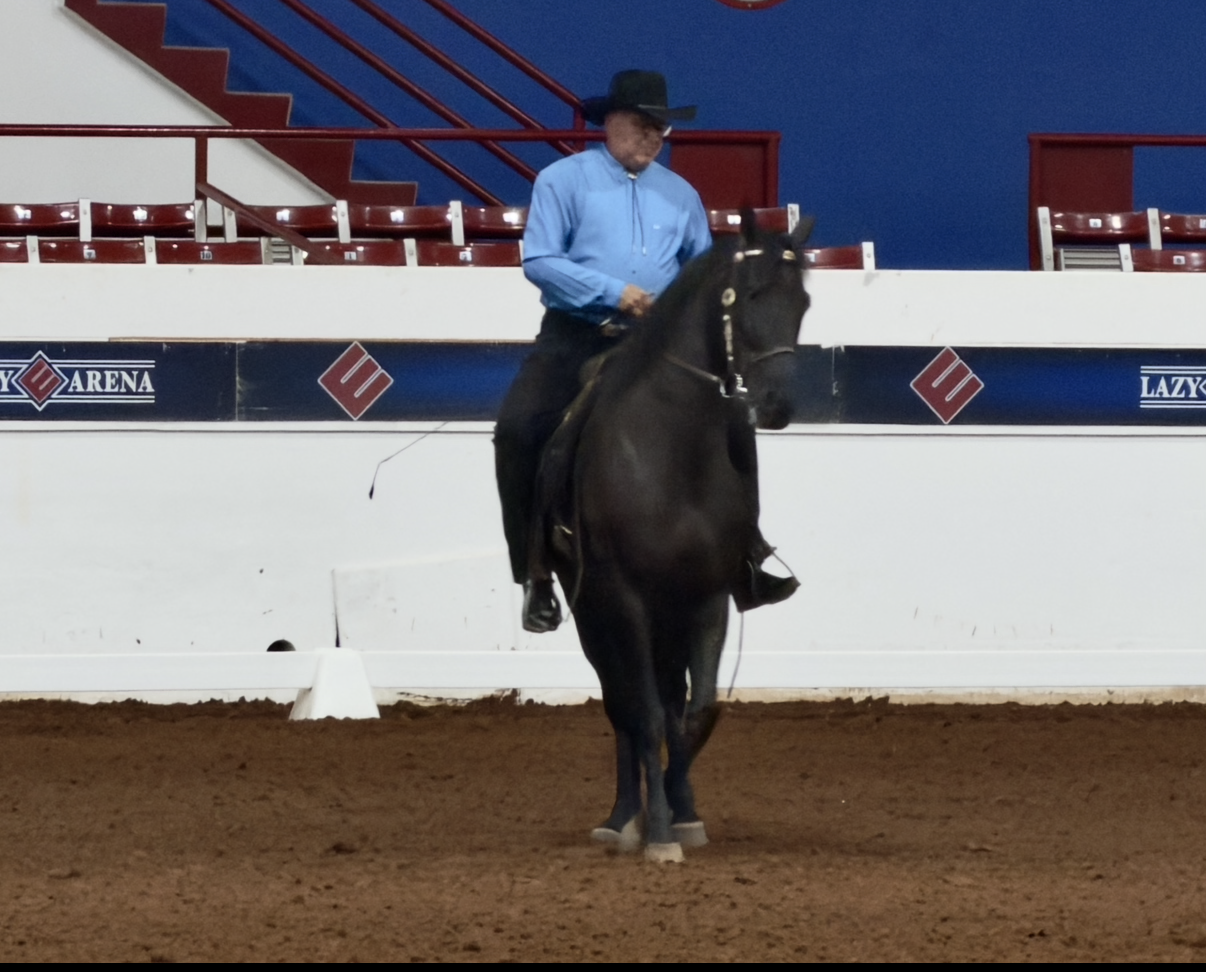
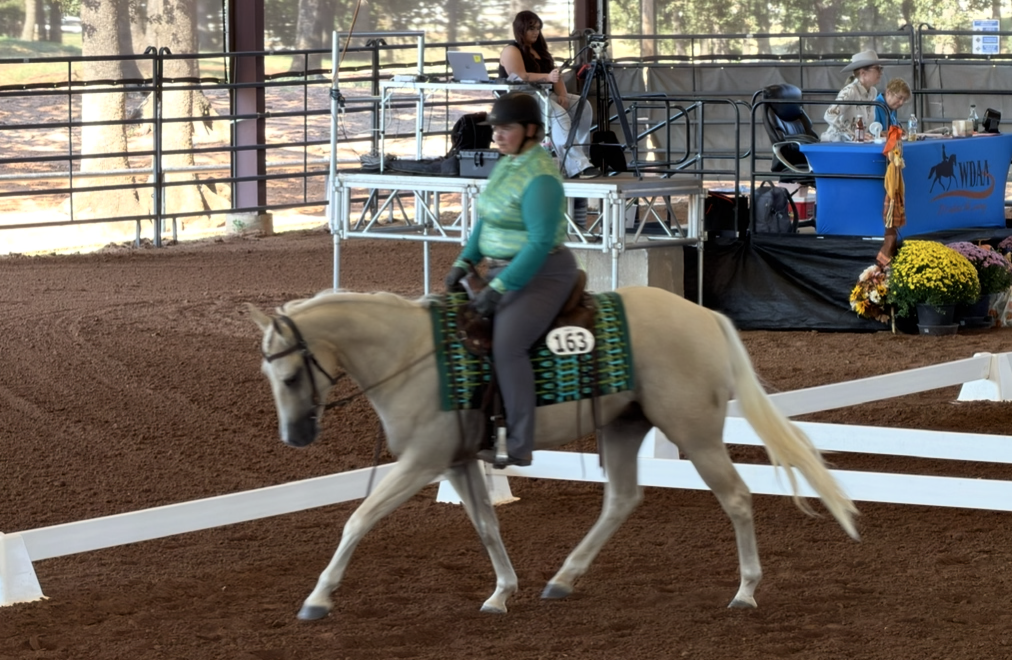
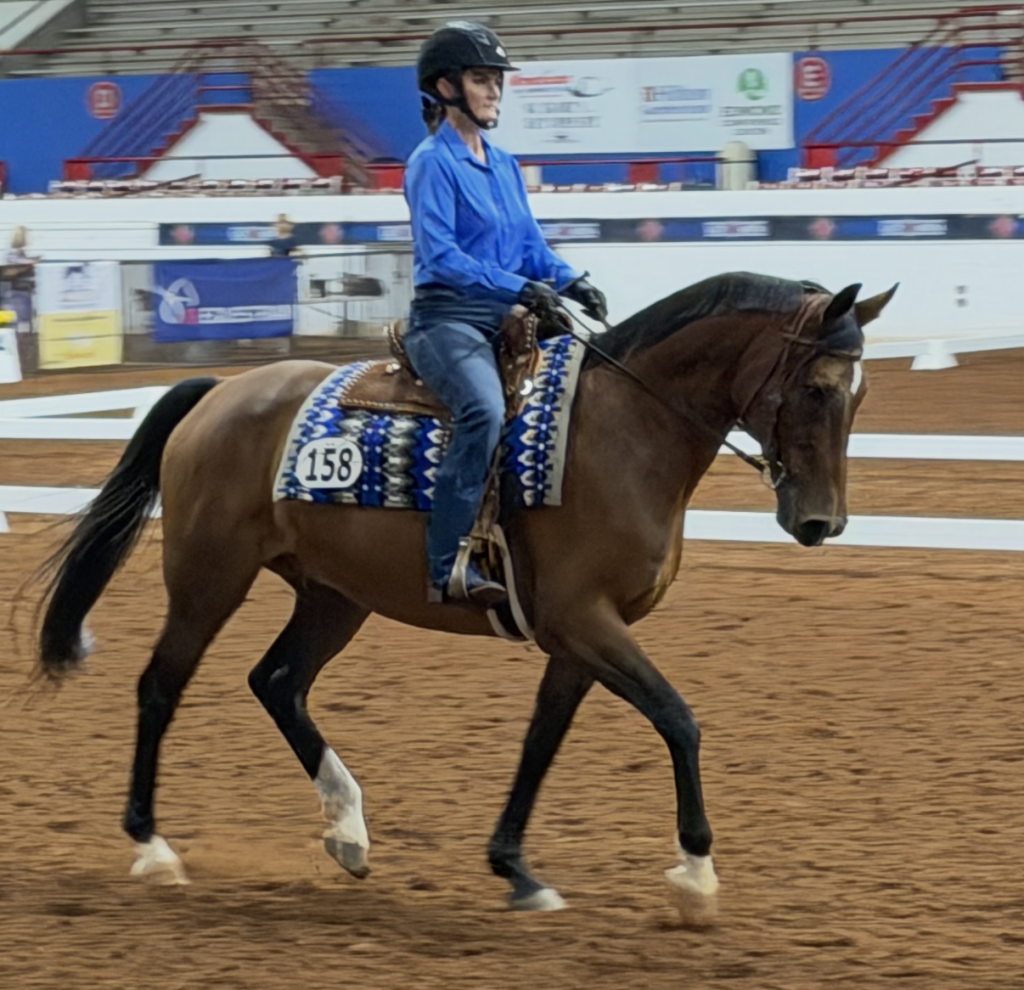
DS: I noticed that so many different combinations of horses, riders, competition levels, skill levels, human body-types, horse breeds, as well as male/female/young/ and old riders at the 2026 WDAA World Championship Show. It was really a nice change to see so many different breeds and people from all over the country competing. We were also impressed that riders competed in the lower levels at a world level.
I thought that was important to recognize riders at ALL STAGES of their journeys represented as “The Best in the World at their level…” it truly WAS about The Journey. Because, unless you’re Grand Prix/FEI in Classical English Dressage, you’re not going to show at a World Show— and in Classical English Dressage, you can’t really be represented at the biggest shows.
For instance, if you’re in Germany, you can travel all around Europe, and ride lower levels, but not show at an International level competing at lower levels.
So, you can go to France, or you can go to Poland or Germany or whatever. and still ride lower levels and show, but they don’t have anything that “counts” internationally—that recognizes lower level riders; it’s refreshing to see that the WDAA is so inclusive.
Holly: Everybody starts somewhere, and it’s good to recognize not just the highest level riders, but the lower level riders as well, because they’re on a journey…
Well, and that’s where some of our members are—at the lower levels. You know, by far and that’s perfect. We certainly hope that a good chunk of our competitors keep progressing and training and moving up, you know, but that’s absolutely our grassroots level, and we call it “Intro level,” and it’s our “watch and try” division. .
DS: Yeah! We thought that the time riders at the World Championship were just great.
You also were talking about the handicap rider/para-rider section also held at the World Championships as well as lead-line classes? Please talk about those categories & how many members participated in each of the categories. How super, super cool!
Holly: There were 5 exhibitors at the World Show in the “Exceptional Rider” classes. More info is here: Exceptional Rider Information: The lead-line classes are really just for fun and to encourage family participation at the World Championships.
DS: We at DressurSPORT.com LLC were actually talking earlier this year about possibly sponsoring one class for “Beginner” or “Level 1” riders at next year’s World Championships, and donating an imported Ferdia🇮🇪Equine Irish-Made DressurSPORT.com cooler for the highest % of that level—So, whoever won that, we wanted to say, “here’s an incentive to keep going—you’re doing a really good job!” because we feel the need to encourage the younger riders or the riders that aren’t “there” yet, whether they’re gonna be at that level forever, they’re older, they’re just happy doing their training level test, or, whether they’re on their progression upwards.
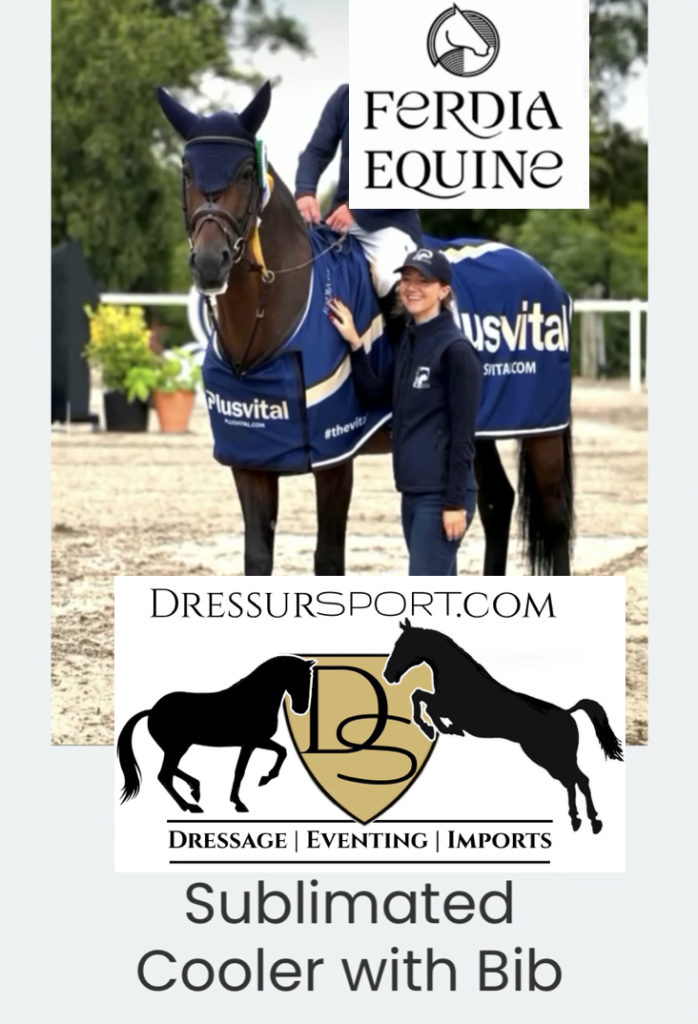
However, we wanted to see the competition this year, talk to the management, and figure out the process of giving a highest % rider the right sized DressurSPORT.com cooler, seeing as it would be custom made in Ireland, where we get our fly sheets and fly masks for our online tack shop: www.dressursport.com/shop



DS: That’s awesome—because it also is encouraging to see people feel able and openly welcomed to come and ride at lower levels. The spectators were great too. People clapped for people they didn’t know, and they cheered for people they didn’t know. Some people just sat in the stands the whole day, like we did, but we were taking pictures. They just watched everybody. That isn’t really something with lower level riders that people would do at a regular classical English dressage show. Most people would watch the tests of only people they knew and then they would leave after their friend’s test. Plus there’s not really room to sit and watch lower level riders at most classical English dressage events anyways. So, it was really nice to see that.
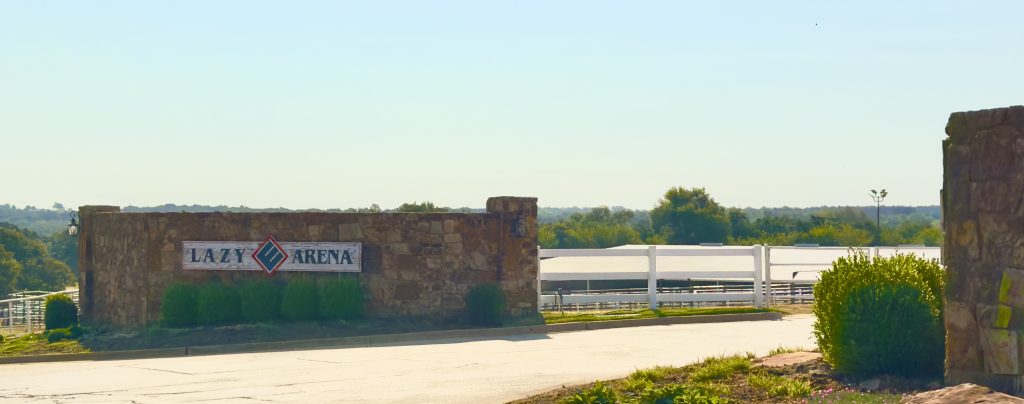
Lazy E Arena was a huge, and fantastic facility to hold such a large show. Plus the air conditioned indoor colosseum was really helpful.
Link to WDAA LEVELS/ TESTS: https://www.westerndressageassociation.org/index.php?searchword=WDAA+levels+and+tests&ordering=&searchphrase=all&option=com_search
THE RULES
DS: Holly, how did the WDAA/rules evolve?
Holly: The whole idea of Western Dressage? The one book evolved. Not so much the rules, but the idea to have Western dressage as a sport—It started in the Morgan division. So, I’m really not certain, you know, who came up with the idea originally, but honestly, the idea of using dressage to train Western horses has been around forever. People have used those concepts and the training today; the idea of the systematic progression for years and years and years—so that part wasn’t new. It was just getting it codified and having an actual discipline where you can show.
But even going back to the vaquero days, you know, people have been using the time tested training principles on Western horses. Yeah.
WDAA Rule book link: https://www.westerndressageassociation.org/index.php?searchword=WDAA++rule+book&ordering=newest&searchphrase=all&limit=20&option=com_search
🔎 FINDING A TRAINER 🔍
DS: I like that because I know a lot of Western riders that don’t know what western dressage really is, but that are actually quite curious about it. Dressage really is no mystery. There is no “magic” riding—it’s slow and systematic training—if done correctly.
I’ve had friends and clients looking into it, but their question is “how do you find a Western dressage trainer?” I’ve been looking online,“how do you find a western dressage trainer in your area?”
Is there a directory or anything like that? Personally, I feel if any rider wants to learn classical English or western dressage correctly, the training is the same up to FEI levels.
Holly: I think we do have a directory of on our website. (See link below) Most classical English dressage trainers will teach this; and I think more and more people are, like, our GMO. For instance, it is really embracing Western dressage. We have Western dressage schooling shows. So the classical dressage world as a whole has been really welcoming and accepting of people who want to come play in a similar sandbox, you know?
There are folks using all sorts of methods, such as online lessons and things like that to ride remotely and get access to, yeah, with the PIVOs, or even just having a family member with a cell phone to record rides for shows or to send to trainers to analyze, you know?
I have a friend who has done lessons with just, you know, her cell phone and then she’s got her earbuds in and it works. So yeah, there’s definitely all different ways to do the online lessons. It’s great if you don’t have a trainer in your area.
Link to help find western dressage trainers/resources:
THE TACK
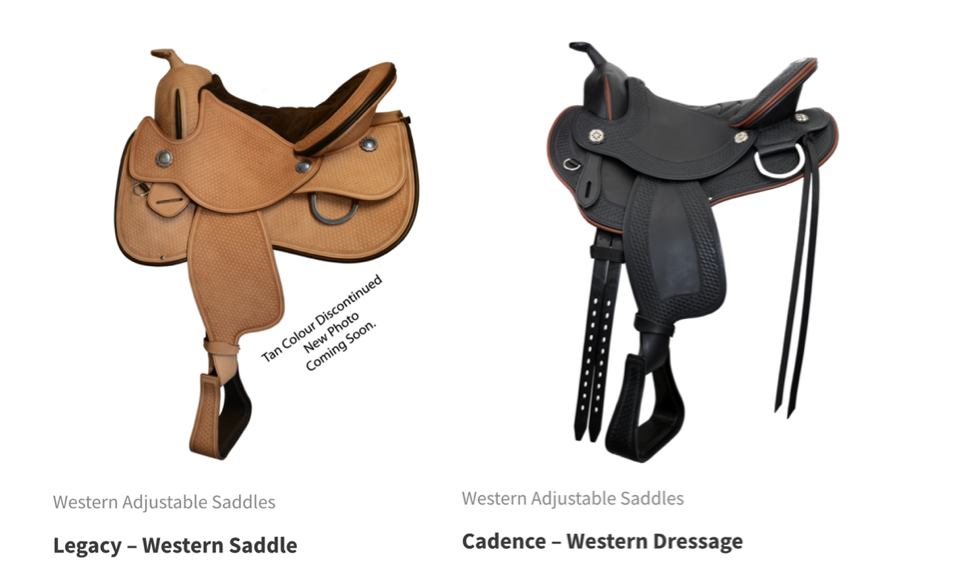
Above: Schleese®️Western Saddles—left: “Legacy” traditional western saddle | right: “Cadence” Western Dressage saddle
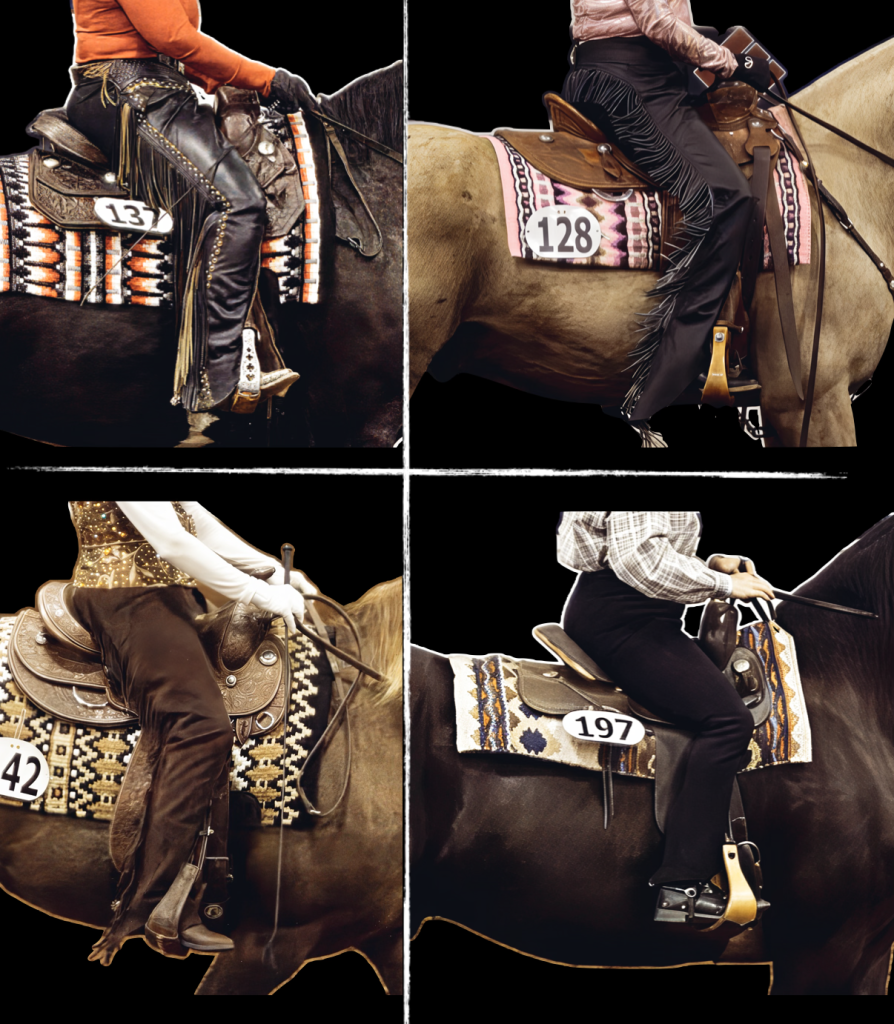
SADDLES @ The WDAA 2026 World Championship Show
#137: Annette Spinnetti | #128: Kathleen Elliott | #142: Tamra Steinbrecher | #197: Patty Couch
DS: In terms of the Western dressage saddle, how did that evolve? A lot of different companies are making Western dressage saddles, a lot of people were riding in custom, Western dressage saddles. How is the Western dressage saddle different from other western saddles? Personally, I know reining saddles or just a western ranch saddle and the position of where you sit and where the leg hangs looks different from western dressage saddles. How are they different?
Holly: Well, first, let me just say you don’t have to have a Western dressage saddle at all.
What I mean is that people are riding in all sorts of different Western saddles. Really, the thing that you want is a saddle that puts you in the right position. There are some Western disciplines that put you in a chair seat—with your legs up in front, and you don’t want that.
You want your legs underneath your body. Right. You want a saddle that fits your horse.
That’s probably the main thing—fits the horse correctly, and so really those are the only 2 things that I would say are important. There are people who market Western dressage saddles certainly, and that’s great.
But really, it’s just a saddle that sets you in the proper position and is comfortable for your horse is all you need. So, the WDAA has done quite a lot of educational content on saddle fitting. So, because, again, that’s the main thing, right? You need your horse to move comfortably.
DS: I always tell my students that when you buy a horse, plan on also buying a new saddle too. Put it in your purchase budget.
So if whenever you buy a horse, plan on setting aside a certain amount of money for a saddle too, because your saddle is THE MOST IMPORTANT piece of tack, and should be treated as part of YOUR BODY. The saddle MUST fit, or if it’s close to a good fit, you will have to have it reflocked, widened, narrowed or whatever. If you can’t afford a saddle that fits the horse when buying, then choose a different horse so you can afford the horse AND the right tack.
Holly: You don’t want to throw a bunch of pads on, you want something that fits. So, a lot of people that I know are like, oh my gosh, I can’t afford that saddle, and it’s like, well, what you have is really hurting your horse’s back.
So either you’re gonna not have a horse or, you know, and you’re gonna have that saddle or you can—
DS: Can you ride in the classical English dressage saddle?
Holly: No. No, you can’t. There are rules in the rule book that state, it has to be a Western saddle, and there are certain guidelines, you know, as far as fenders and things like that, but to train at home, sure. Ride whatever it is you have.
Click link to see all legal attire for WDAA: https://wdaa.memberclicks.net/assets/docs/WDAA%20Equipment%20Guide%20FINAL%202025.pdf
BITS
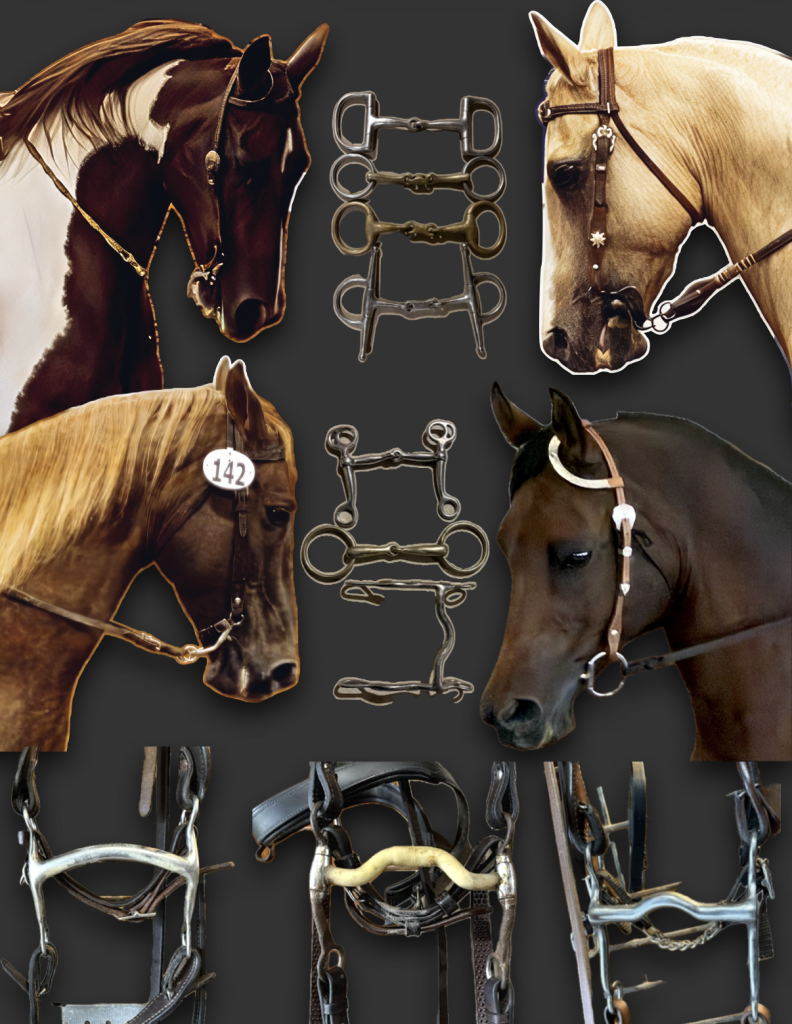
DS: And in terms of bits, there’s a lot of different “legal” bits from the classical English dressage rule book. I noticed, quite a few people had different bits that were more Western bits—curb bits—and other bits that wouldn’t be legal in classical English dressage. Being part of USEF, why are those legal? And why are those legal, where they’re not legal in classical English dressage?
Holly: Right. So, one of the things that we try to do is to “keep our gates open pretty wide,” right?
So, let’s say there’s someone who trail rides their horse, and they’ve only ridden in a curb bit.
We don’t want to force them to change over to, you have to learn how to ride on a snaffle. WDAA wants you to come as you are, learn, and start wherever you need to start, right?
We do have guidelines on bits. So there’s nothing that would be harmful to a horse, or provide excessive leverage, or things like that.
I myself ride in a snaffle—so, that’s really all I can speak to personally, because that’s my preference.
But there are people who prefer a curb bit and maybe it’s a horse that needs a little extra control and they don’t feel safe in a snaffle. There are lots of reasons.
It may have been a Western horse that’s only gone in a curb for their adult life,so we just want to make that where it’s the rider’s choice, What fits for you and what fits for your horse, right?
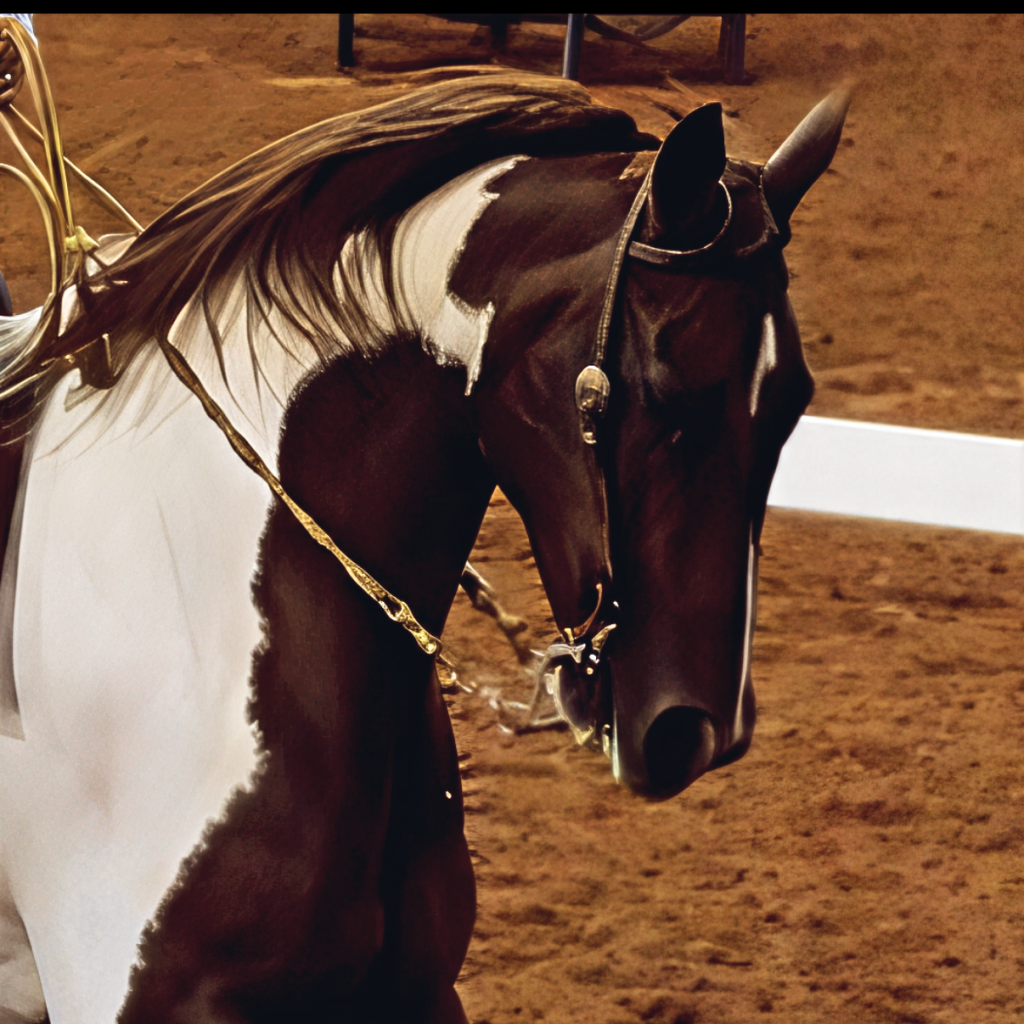
Example of a legal curb bit
DS: Yeah, I noticed some of the people with snaffles were heavy handed when asking for a free walk, the rider would open their hands, put them down by their thighs, which is a “headset,” (meaning to give the horse no option but to ‘set’ its head in a position), which is not a free walk, and then I was noticing people with curbs, especially people that rode one handed—and in general, they were much lighter than the reins.
They hardly touched the horse’s mouth. I didn’t see as much fidgeting by the riders hands nor the horses’ mouths.
There were some horses that were just going at it with their mouth the whole time in a snaffle bit. It seemed that the riders and other horses with curbs, I wasn’t seeing that as much. I would notice a few unhappy mouths with curbs in the rein-back or halt—the horses would open their mouths to get away from the bit’s pressure. It was interesting to see the difference that people think they need in a snaffle versus a curb.
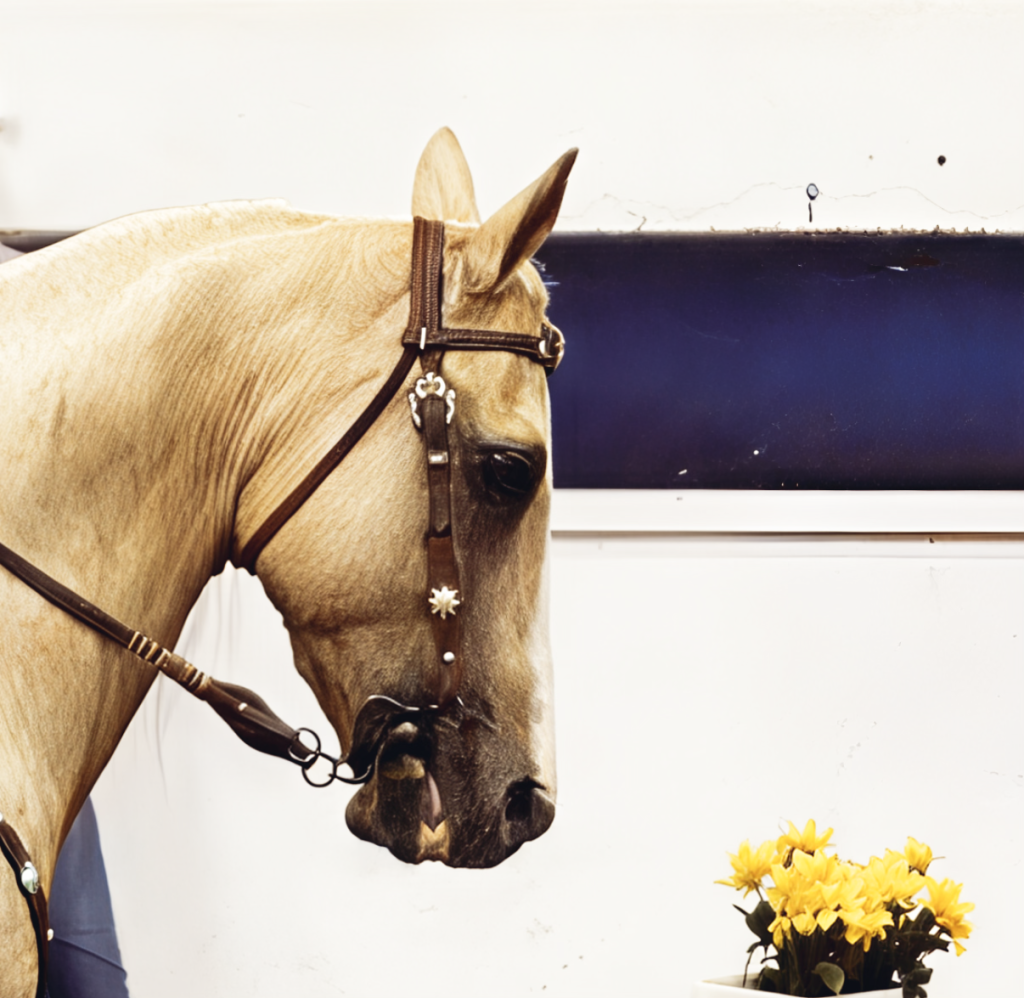
Holly: Mm hmm. Because you really shouldn’t have to have that much contact at lower levels. Correct. It’s really individual to the horse and rider. You know, what works for each pair. But you’re absolutely right.
There are a lot of curb bits that are known as “signal bits.” Meaning that they send a “signal” to the horse, when you lift your hand an inch and that horse gets the message, right? So they can be very refined. Riders certainly have to educate themselves on how to use them properly, as with anything. Anytime we put metal in our horses mouths we need to know what we’re doing with it, right?
DS: What about bitless bridles? Are they legal?
Holly: The Dr. Cook style is legal, and then also from a more Western world are the Hackamores. However, not mechanical hackamores, but actually the braided rawhide style. Those are,if they’re ridden in correctly, fitted correctly…those are beautiful.
Link to WDAAUSEF Western Dressage Legal Bits: https://wdaa.memberclicks.net/assets/docs/WDAA%20Equipment%20Guide%20FINAL%202025.pdf
DS: I have a student that rides in a hackamore, and another student that rode in a bitless bridle, so—
Holly: Mm-hmm. It’s just about educating yourself on how to use the tools, right?
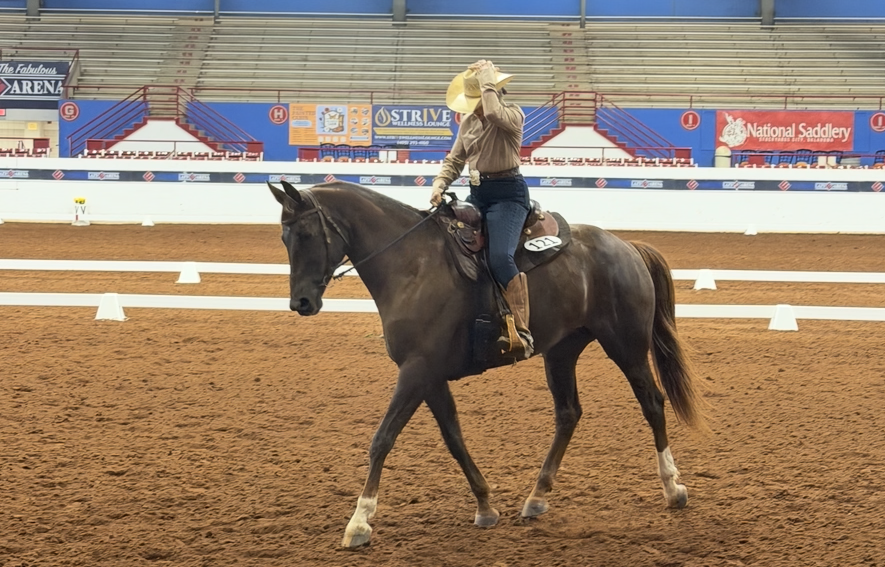
DS: Exactly. I saw one guy, (I can’t remember which class it was, but it was in arena two) who was riding with one hand, and he was holding a single braided rope in his right hand, but he never did anything with it.
He was a good rider. He was good using that bridle/rein combo. He was a good rider.
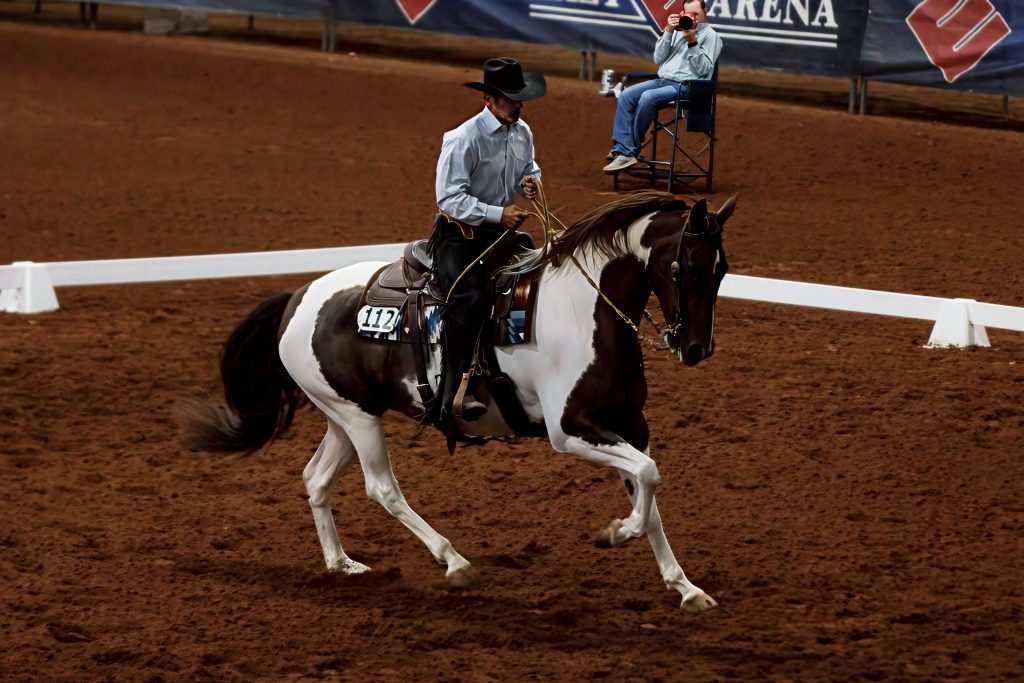
Holly: Yeah, that’s— It sounds like you’re describing a “R I A T A” / “R E A T A:” So you might Google that and see if that’s what it, but that’s a traditional piece of paquero equipment. Braided rawhide, and you do carry the tail in your right hand. I agree, he was a very good rider.
Link to definition of Riata/Reata: https://buckarooleather.com/blogs/buckaroo-johns-blog/a-brief-history-of-the-reata?srsltid=AYCX9vJsCHbMLMWGegdw74PIpA3siAeJZkz2U5xvo-0Gh9bDk-khpZfW
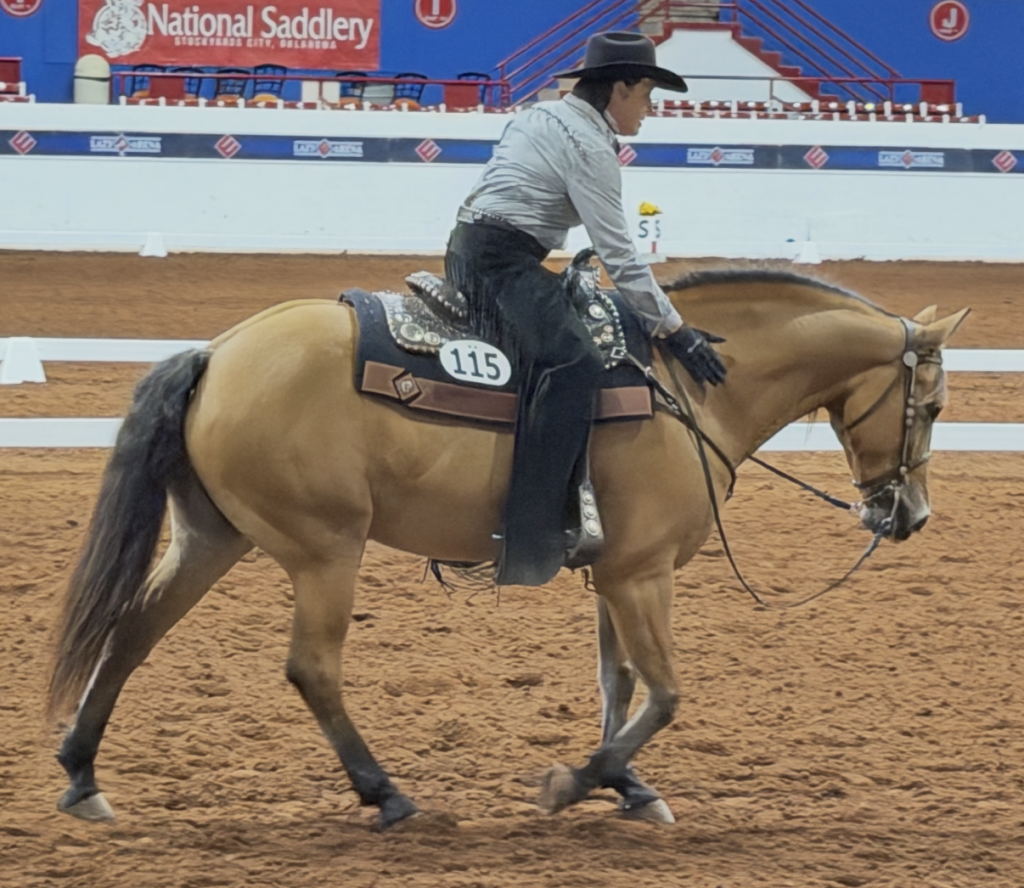
DS: We both noticed him…Another question for you, is that we noticed a lot of riders talking, clucking, kissing, etc to their horses.
In the British Dressage Association, they have now made it legal to talk to your horse. You can be Grand Prix rider or an FEI competitor in the UK, and you can talk to your horse.
You can cluck to them, you can kiss, you can do all that legally now, which I think is great, because the voice aid is the most harmless aid that we have. And I was just wondering, is it legal to talk to your horse in all levels of WDAA Western dressage shows?
Holly: It is legal and highly encouraged.
DS: Really?
Holly: Yes, it has always been legal with us, and you know, I just personally take great delight in seeing riders talk to their horses, because I just love it, you know? Tell them he’s a good boy/ or good girl.
DS: Yeah, there’s one girl that went past us and every time she went past us, she said, oh, good boy, good boy, and she pet him with her own side hand and I’m like, that’s how it’s supposed to be. I mean, we’re talking about like this.
SPURS, POSITION & RELAXATION
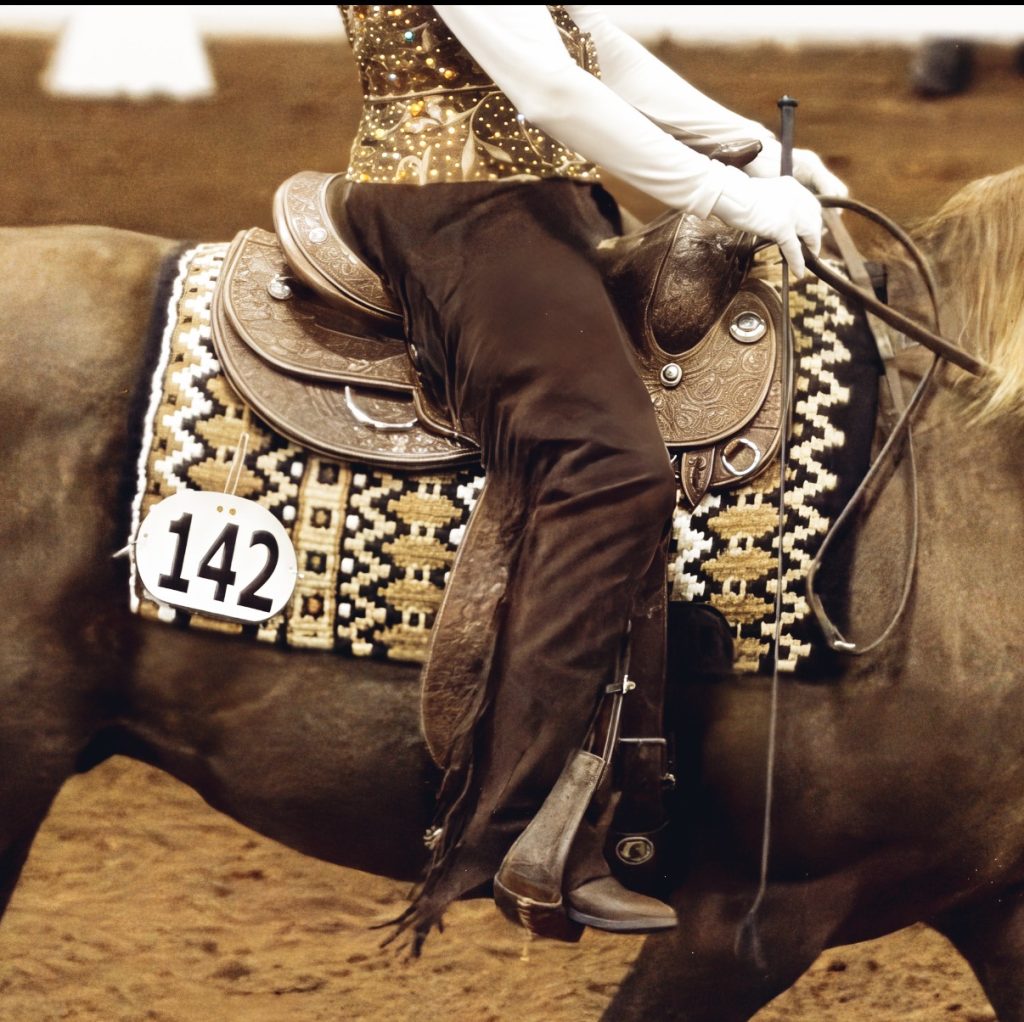
DS: I am so fed up with the FEI and just with USDF and with dressage in general, and that people aren’t educating their horses to be light in the beginning, and they’re riding with spurs stuck in their horses’ sides. We went to the 2026 Dressage World Cup in Fort Worth, and they had horses that had patches of fur that wasn’t shaven, where they could use their spurs. And I was just appalled. It really bothers me because I believe, if you do not have a parallel foot to the horse’s sides (I’m biomechanical, and my students are taught to be too), you do not get to use spurs. And if you do have Spurs, you have to have a 100% parallel foot to the horse at all times; when you turn your toe out, and your heel in just a tidge, you touch—not jab the horse’s side soft and quick—“get in and get OUT even faster.” Then go back to a parallel foot to the horse.
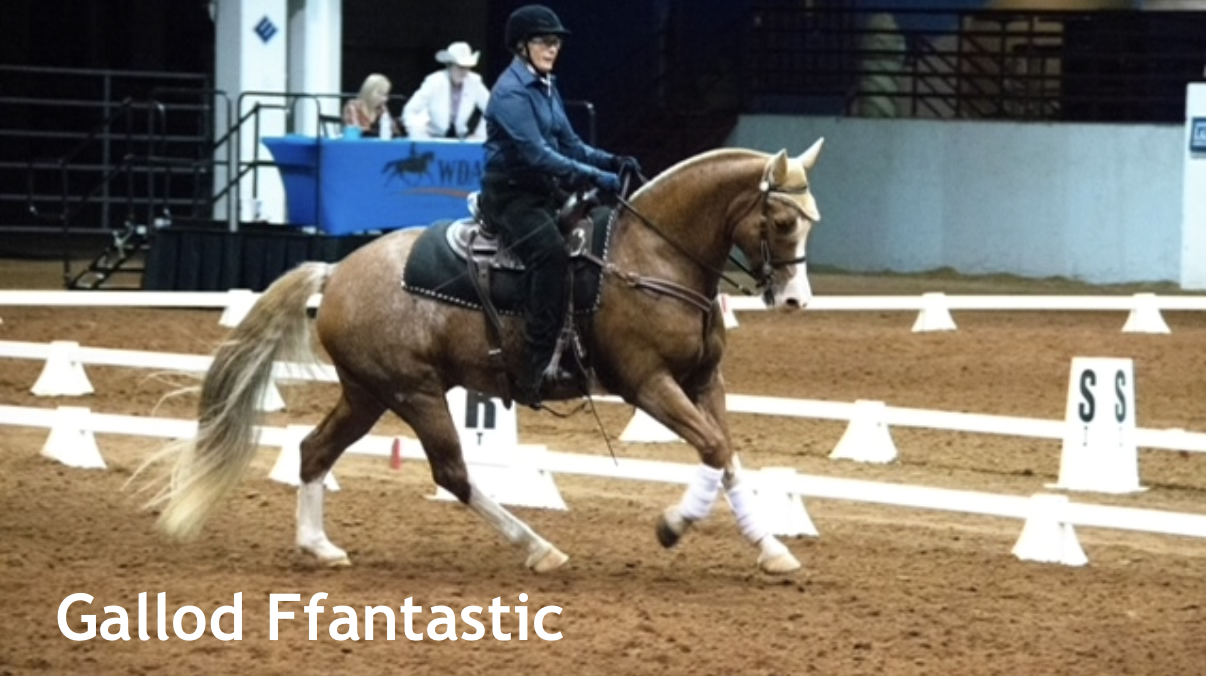
Holly: I think the Rule Book describes what we refer to as the “Harmony” score, with a coefficient x2 on the test. This is from the Rule Book:
SUBCHAPTER WD-1 WESTERN DRESSAGE HORSE GOALS AND OBJECTIVES:
WD101 Goals and Objectives:
The goal of Western Dressage is to develop a partnership between a happy equine athlete working in harmony with its rider. A system of progressive training produces a horse that is physically strong, balanced, supple, and
flexible; this equine athlete also demonstrates a calm, confident, attentive attitude and is happy to do its job.
- A Western Dressage horse achieves this goal by using the principles of classical dressage training while
emphasizing the lightness and harmony with the rider which is a hallmark of a Western Dressage horse. - The Western Dressage horse demonstrates free flowing, comfortable strides. The gaits are free, regular in
cadence and rhythm, consistent in speed and tempo. The horse presents a balanced appearance. - The Western Dressage horse’s head and neck are carried in a relaxed, natural manner; head and neck
carriage are dictated by conformation and serve as a balance arm to facilitate proper movement. - The Western Dressage horse engages its hindquarters; uses its back freely; and lifts its forehand. These
characteristics of framing and movement are more pronounced as the horse advances in its training and… - The Western Dressage horse carries its body in a straight line when required by the maneuvers of the test;
the Western Dressage horse carries itself in a consistent curve whose degree of bend is consistent throughout a movement that calls for a curve. The straightness or bend is consistent throughout the horse’s body and is dictated by the requirements of the maneuver being performed. - Lightness and harmony are the hallmarks of the Western Dressage horse; it willingly accepts a light contact
on the bit without tension or resistance. The Western Dressage horse gives the appearance of performing the requested gaits and maneuvers of its own accord. The horse and rider appear as one.
YouTube Link: https://youtu.be/yn9JQ79dhJk?is=lBCuFP4n65Gi6lKg
DS: Thank you so much for taking the time to meet with us, Holly. You have been so helpful and kind.
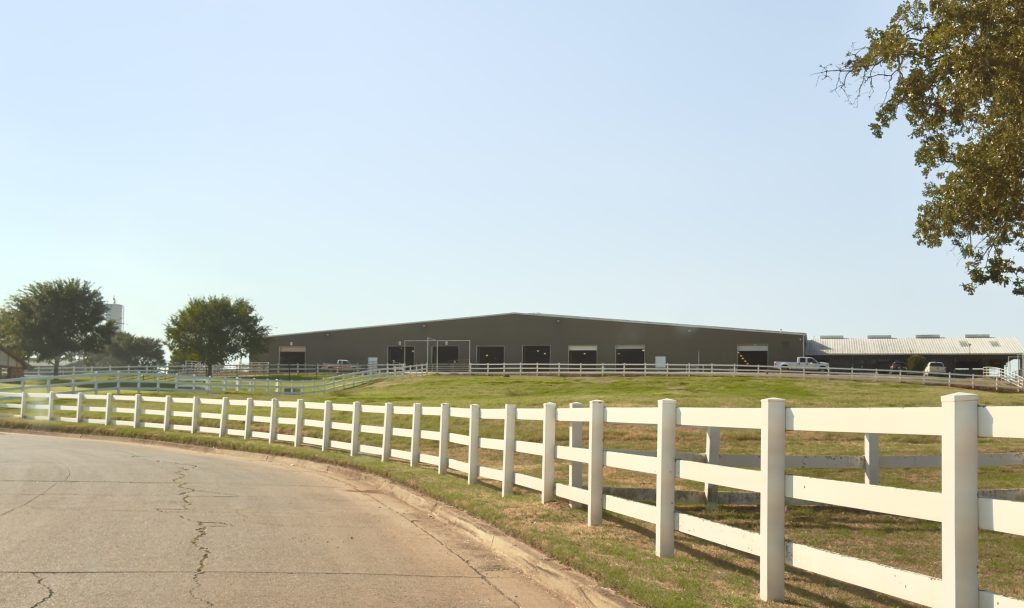
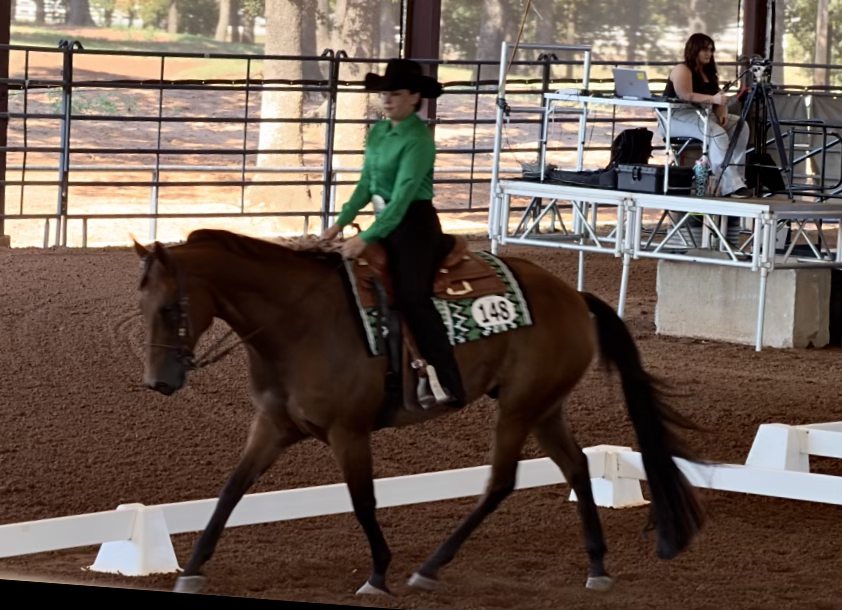
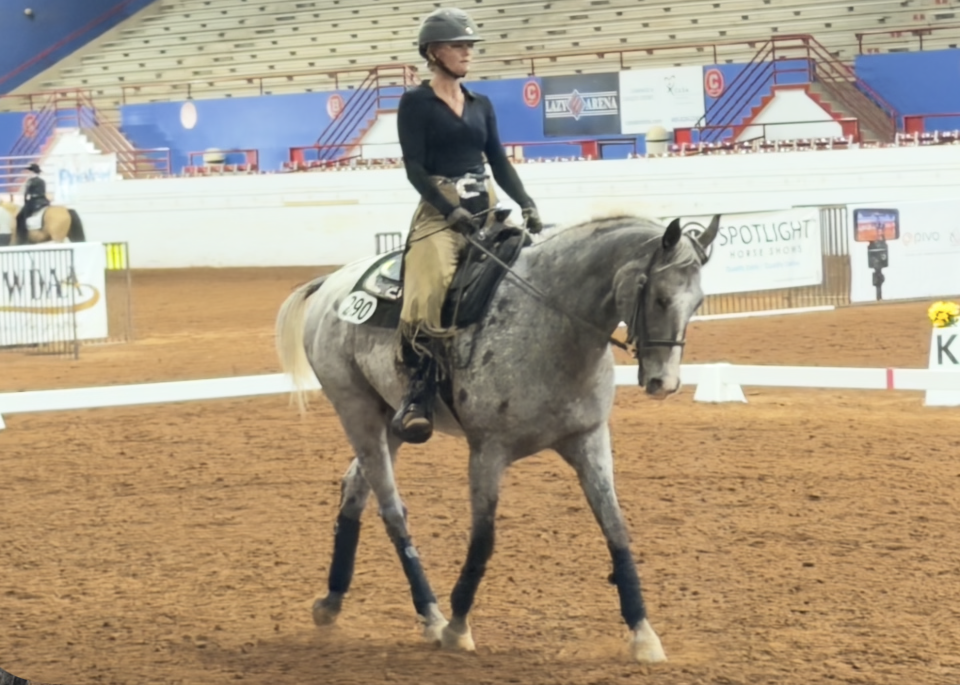
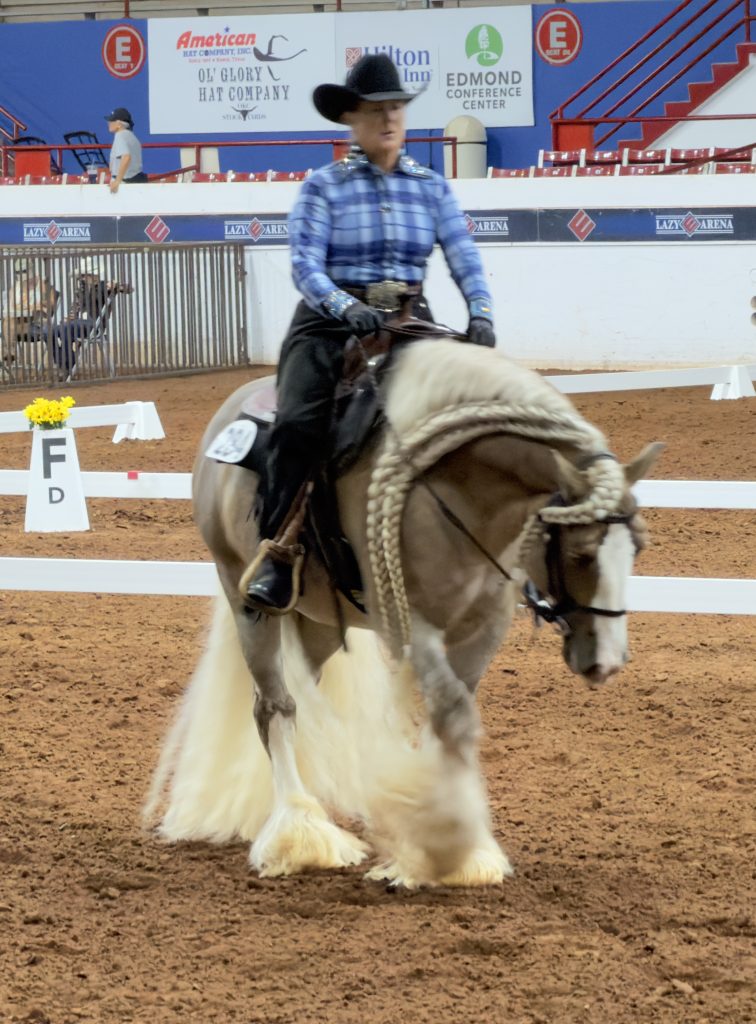
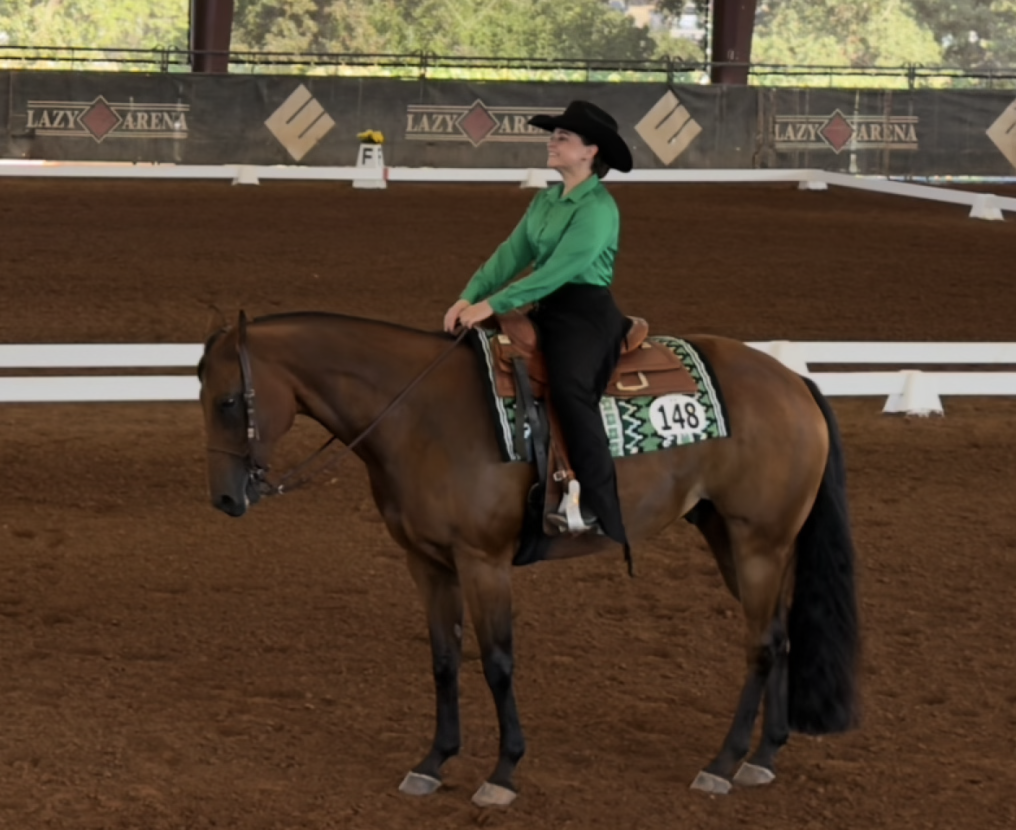
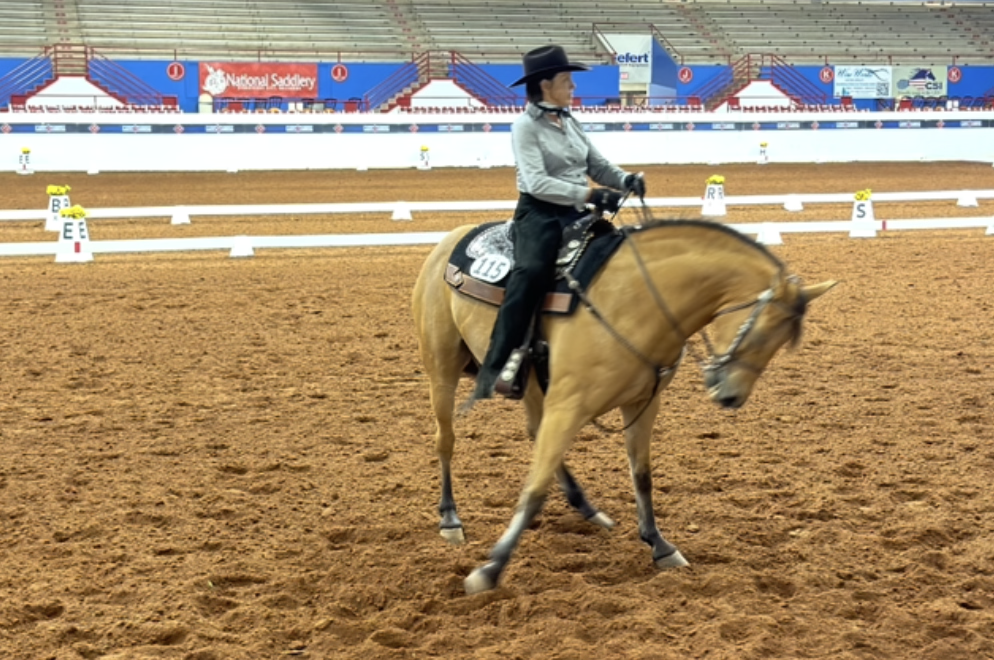
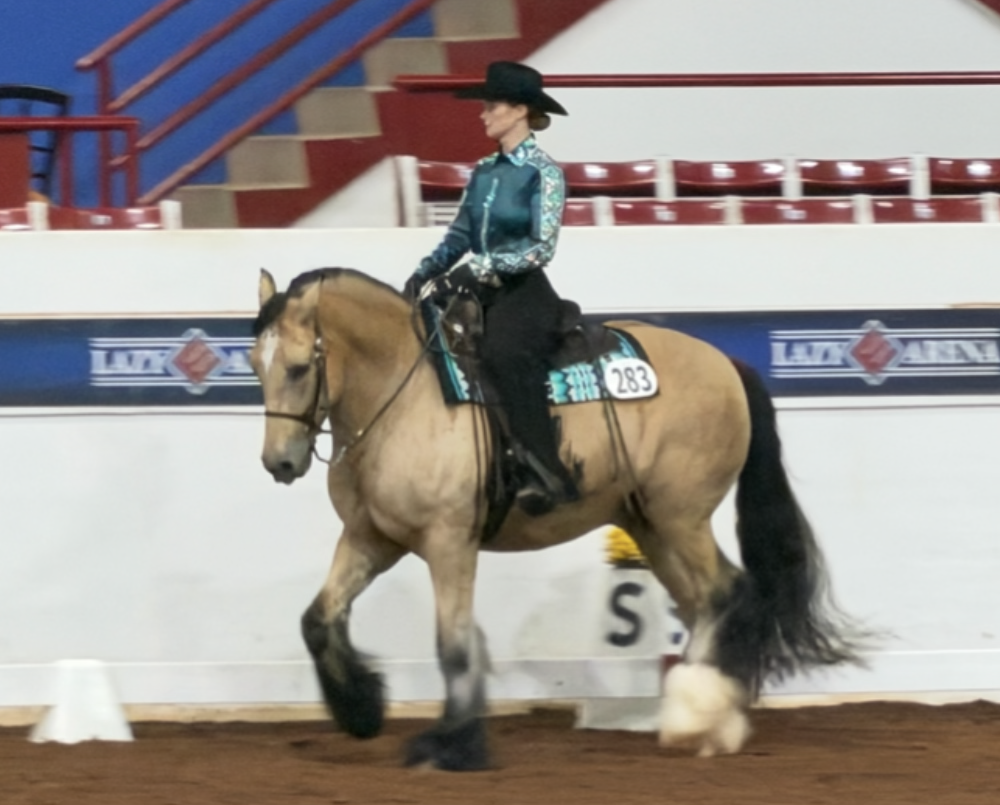
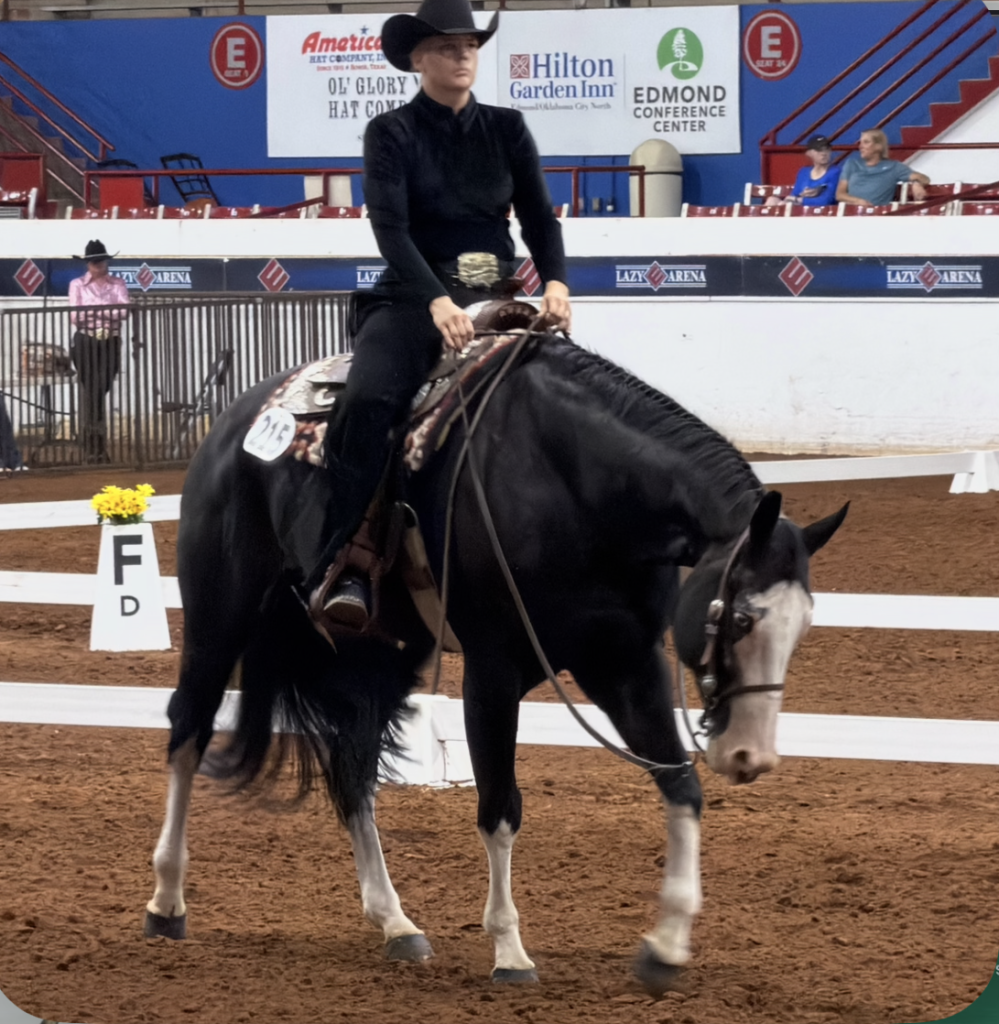
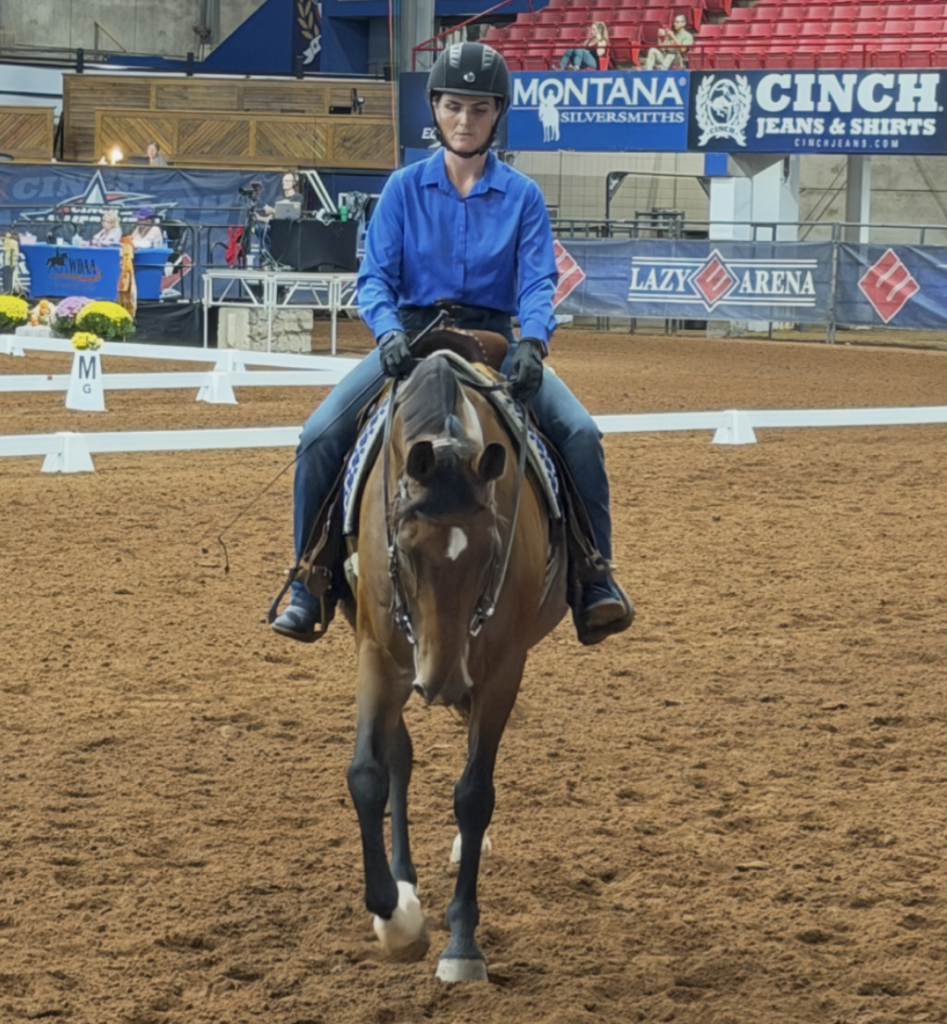
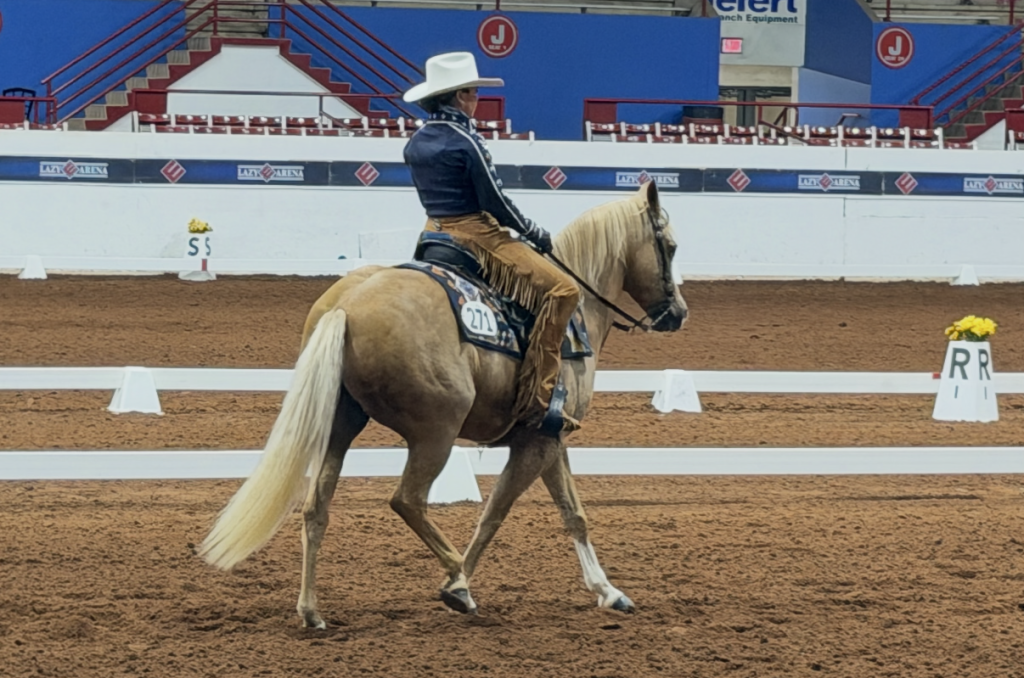
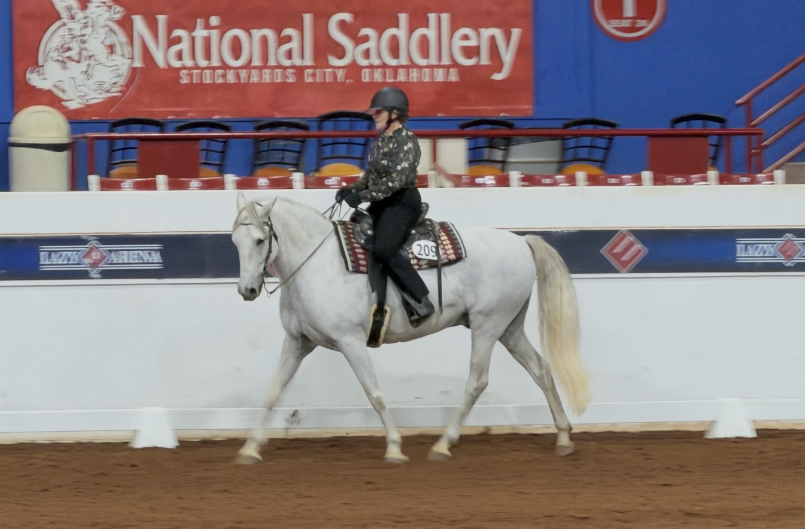
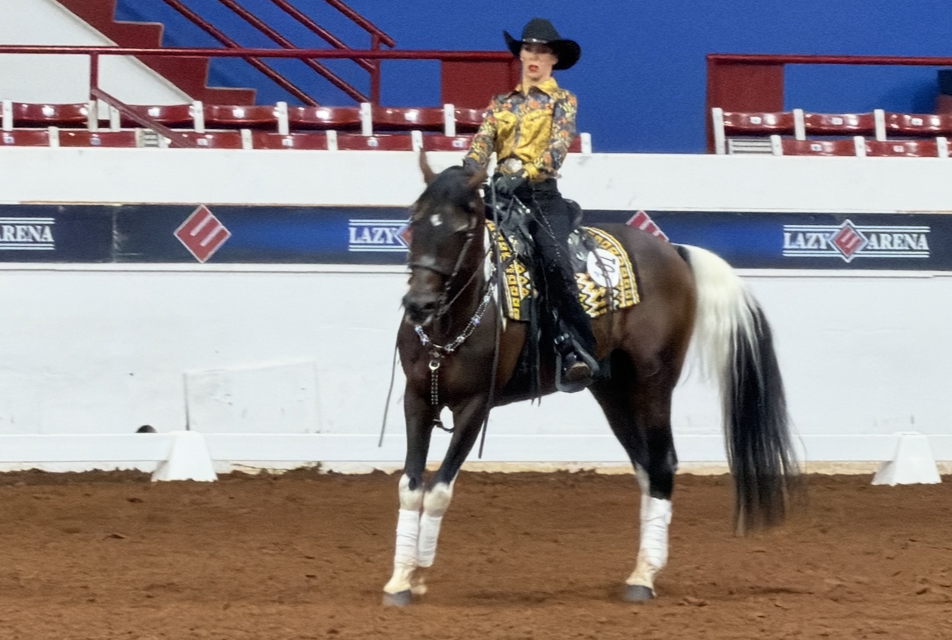
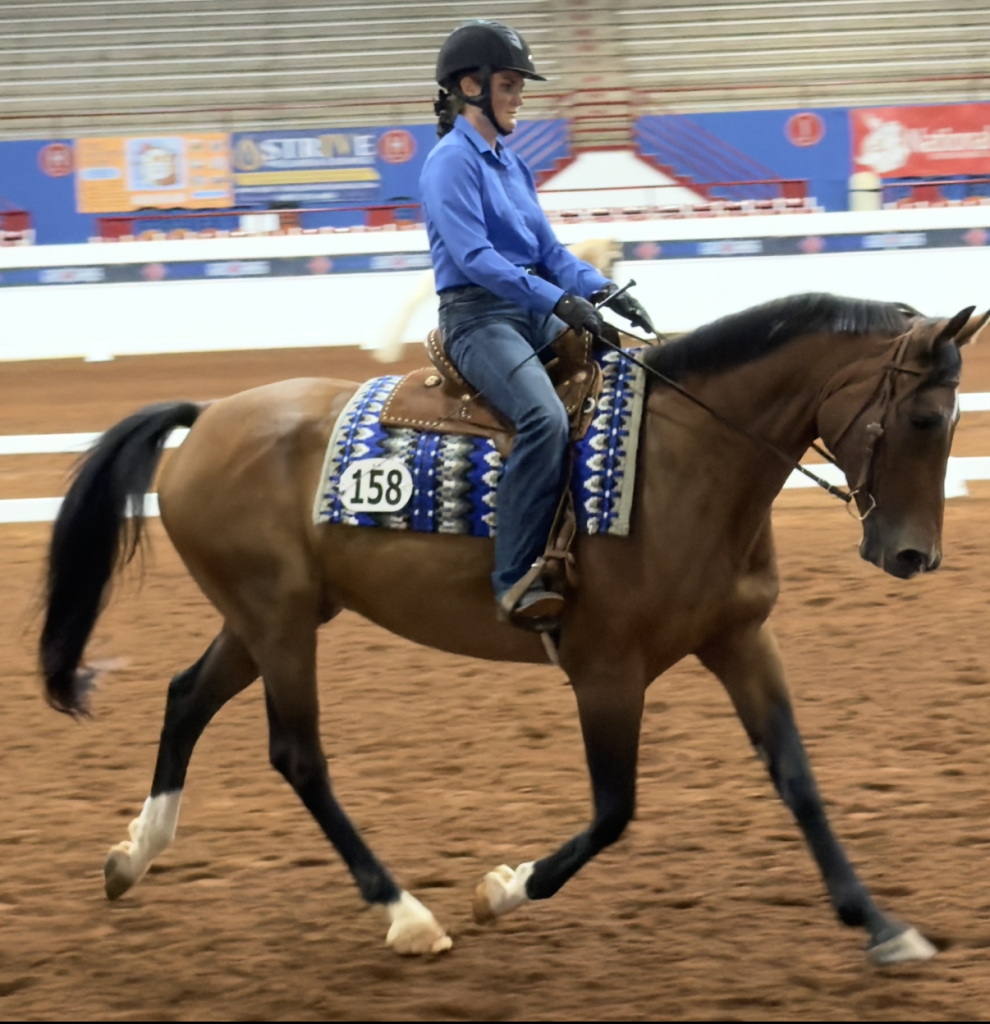
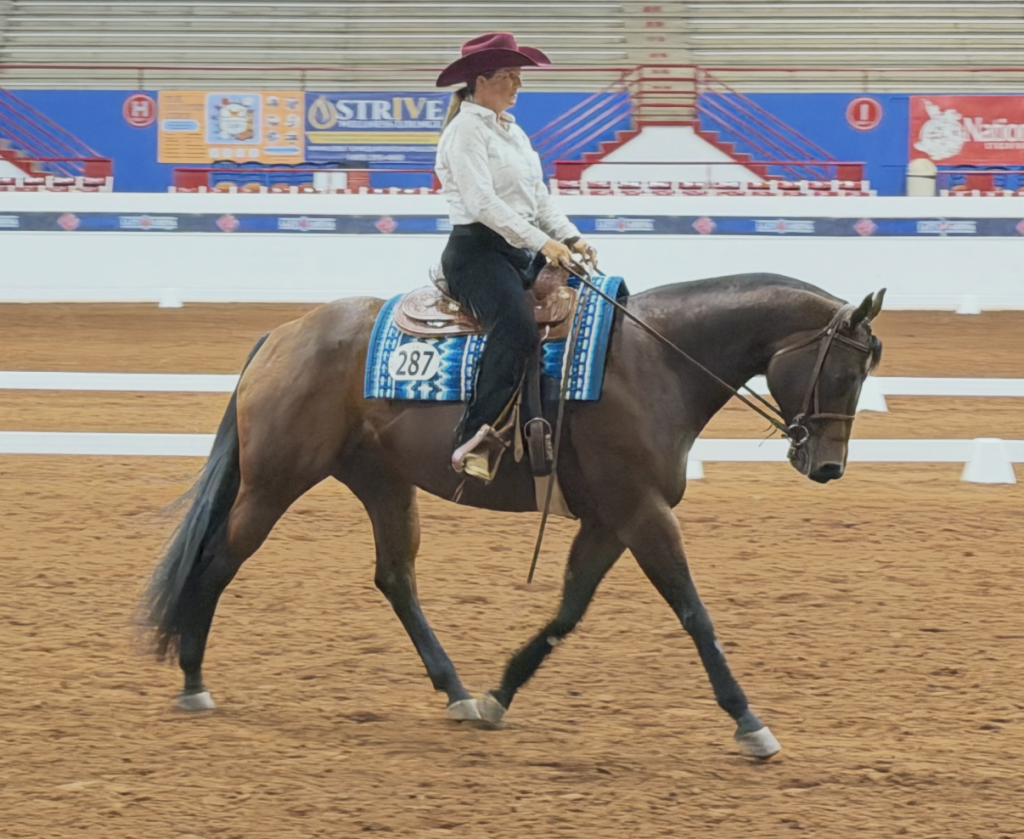
We’d like to end this article with some pictures of the WDAA World Championship Show of the grounds and some of the riders.
Lazy E Arena Facility, Guthrie, OK🇺🇸
SOCIAL MEDIA:
🌐 https://www.Westerndressage association.org
FEEL FREE TO LEAVE COMMENTS OR QUESTIONS ABOUT THIS ARTICLE IN THE FORUM BELOW
