
Part I: I Wasn’t the Talented One, I Just Wouldn’t Quit
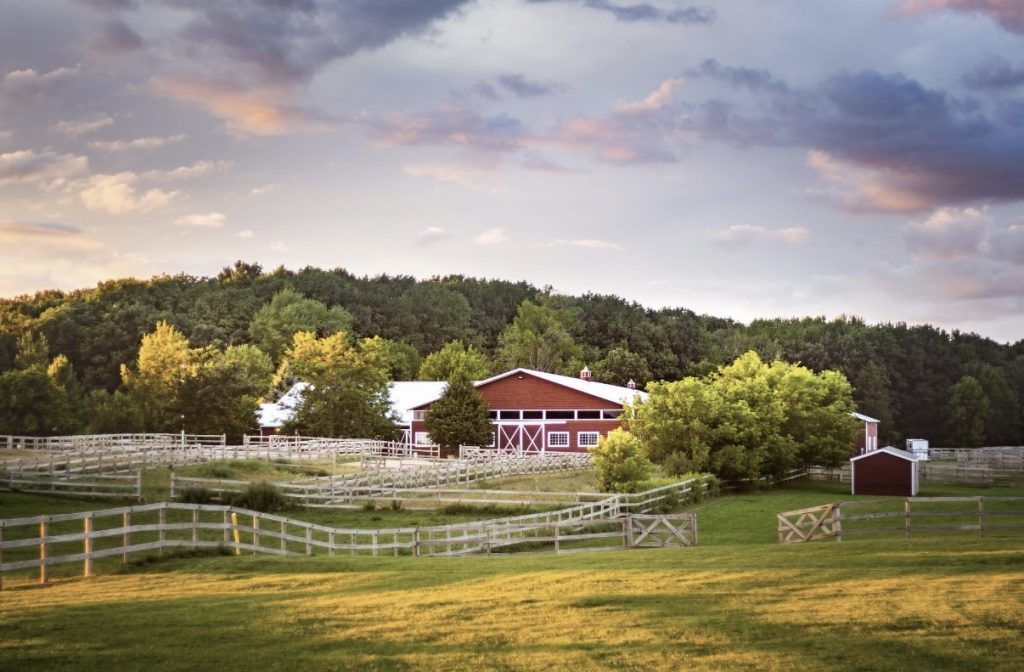
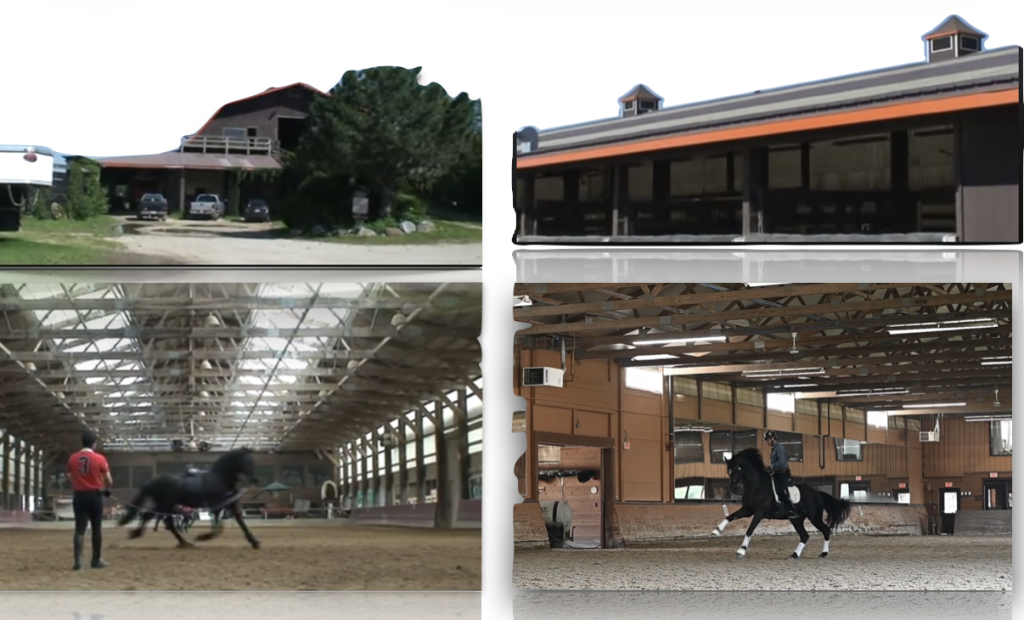
My dad always wanted to live on the Ponderosa from Bonanza, and that is probably the easiest way to explain where I grew up. Ots Sunrise Farm was way out in the country in Wisconsin, and to this day I still think it is one of the most beautiful places I have ever seen, especially in the winter. At one point my dad got a little obsessed with breeding and we had more than 100 horses, along with cows, sheep and chickens. We would bale thousands of bales of hay, and every Sunday after church we would come home and mow the grass. I naturally felt like it was my responsibility to do as much as I could. I would clean more than 40 stalls, load the manure wagon and spread it with the tractor, and I honestly loved it.
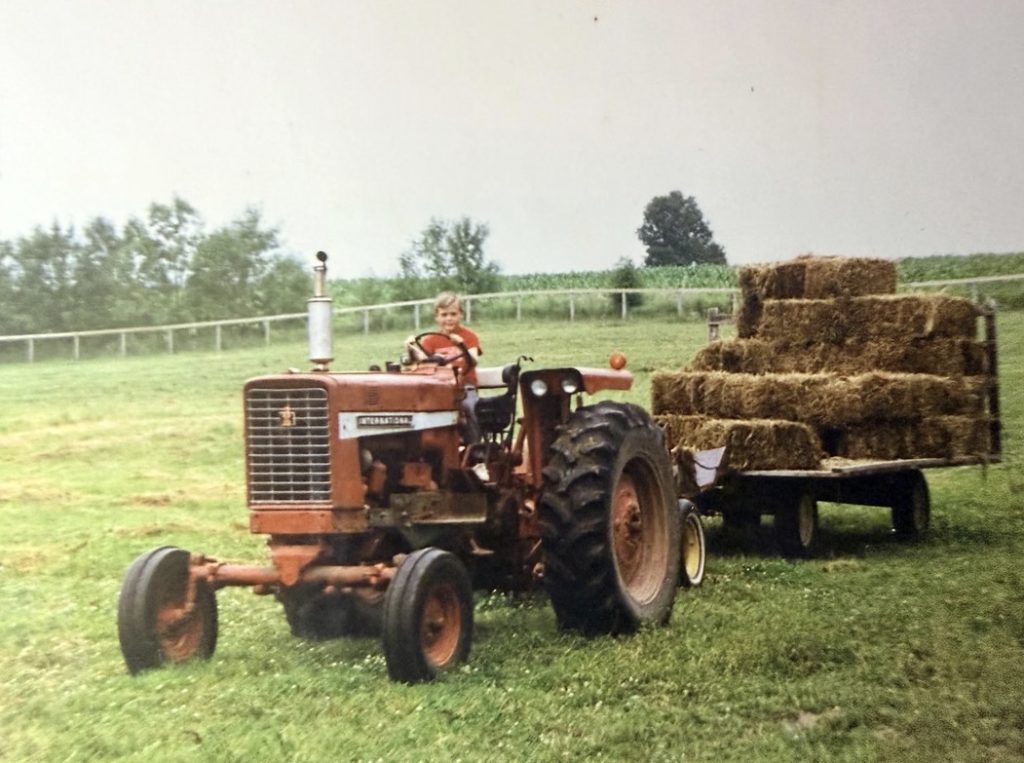
My father loved jumping. He was not always the most technical rider, but somehow he had a great connection with horses and a very natural understanding of them. My mom had jumped horses growing up in New York City and was always the person telling me to follow my dreams. Looking back, I think I got something incredibly important from both of them. My mother was the dreamer and my father was the realist. I needed both.
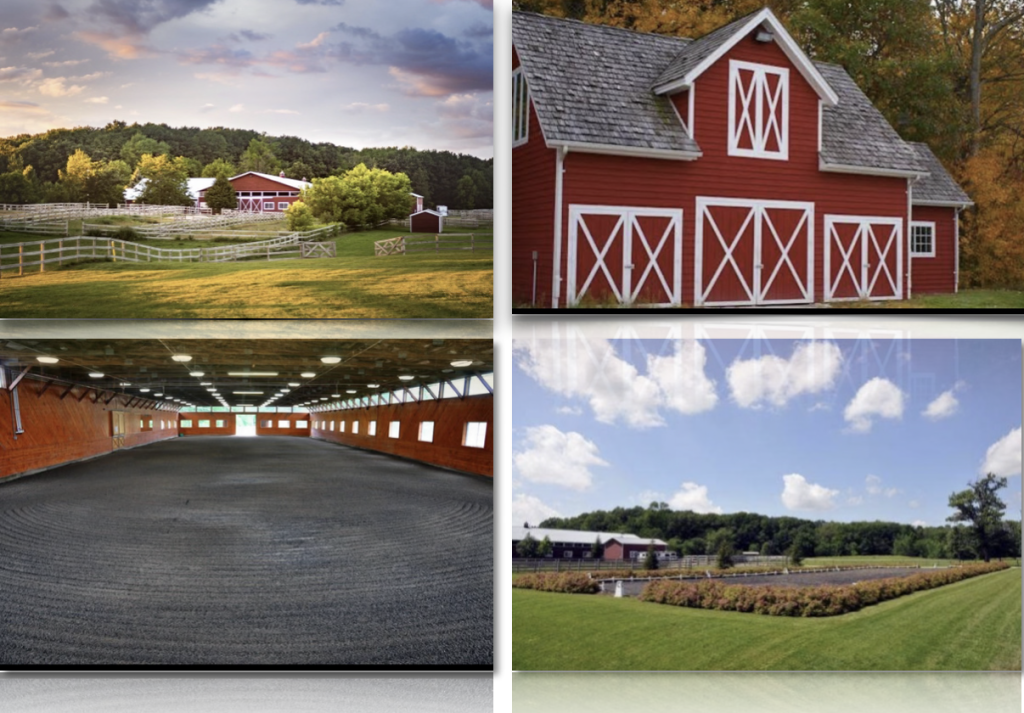
I grew up pretty sheltered from a typical life. We lived far out in the country, and I was a very shy kid. Honestly, I still am. People have sometimes read that as arrogance or being standoffish, and that couldn’t be farther from the truth. I have always been much more comfortable letting my work speak for me. I was also a huge people pleaser and wanted my parents, teachers and eventually my trainers to be proud of me.
I did really well in school and was always on high honors, but I never really understood the social part of it. I remember missing school for horse shows and coming back to an advanced physics class completely lost. I went up to the teacher afterward and told him I was confused. He asked me what part, and I said, “All of it.” He tried explaining it again, and somehow I understood even less, but I didn’t want to disappoint him so I told him I understood. I didn’t.
Horses were always easier for me than people. One of the things I have always loved most about horses is that they don’t lie. They don’t tell you what you want to hear or say one thing and mean something completely different. What they feel is what they feel. I felt like I could understand animals in a way that I did not always understand people.

My first really meaningful horse was a beautiful chestnut mare named Cinderella with a blaze down her face. When I came home from school, I would whistle for her in the pasture and she would come galloping across the field to me. I would take her into these huge open pastures and gallop her without a bridle. I loved her more than anything, and I still think about that relationship today. Before Grand Prix horses, championships or an Olympic team, there was just a kid in Wisconsin and a chestnut mare who would come running when he whistled. When everything around professional sport becomes complicated, I think that is still the purest explanation of why I ride horses.
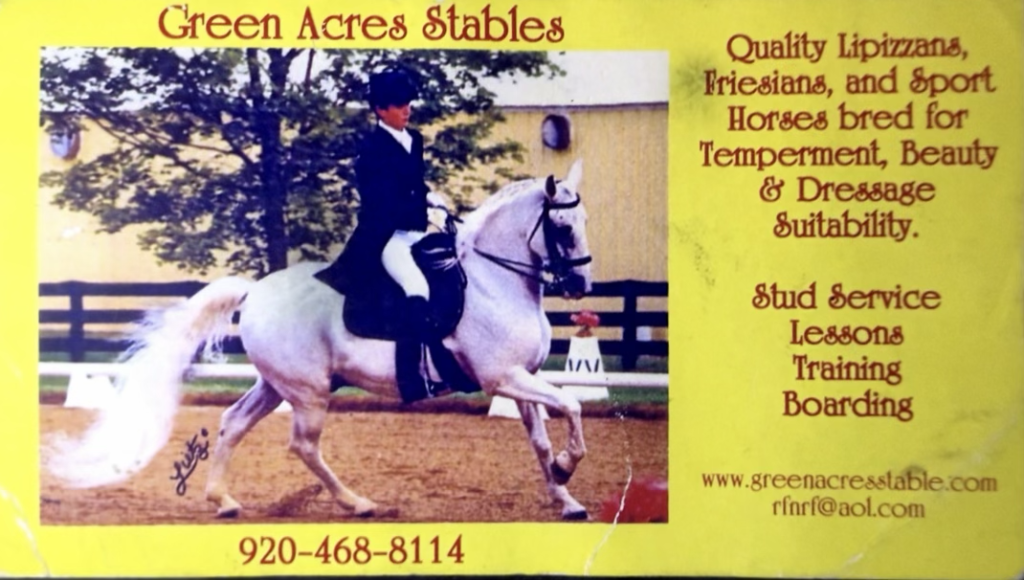
I actually started out jumping at Green Acres when I was in third grade. We had this crazy jumping drill team where horses would come toward each other over jumps, cross between one another and jump in pairs. Looking back now, I can’t believe some of the things we did. I was fearless and always wanted to do the dangerous part. Eventually I became one of the better young jump riders in our area, mostly riding by feel, but then I discovered dressage.

There was something almost addictive to me about a sport where you could never really be good enough. There was always another feeling to find and something else to understand. I started driving toward Chicago every weekend because I noticed the same people winning everything, and I wanted to know what they knew.
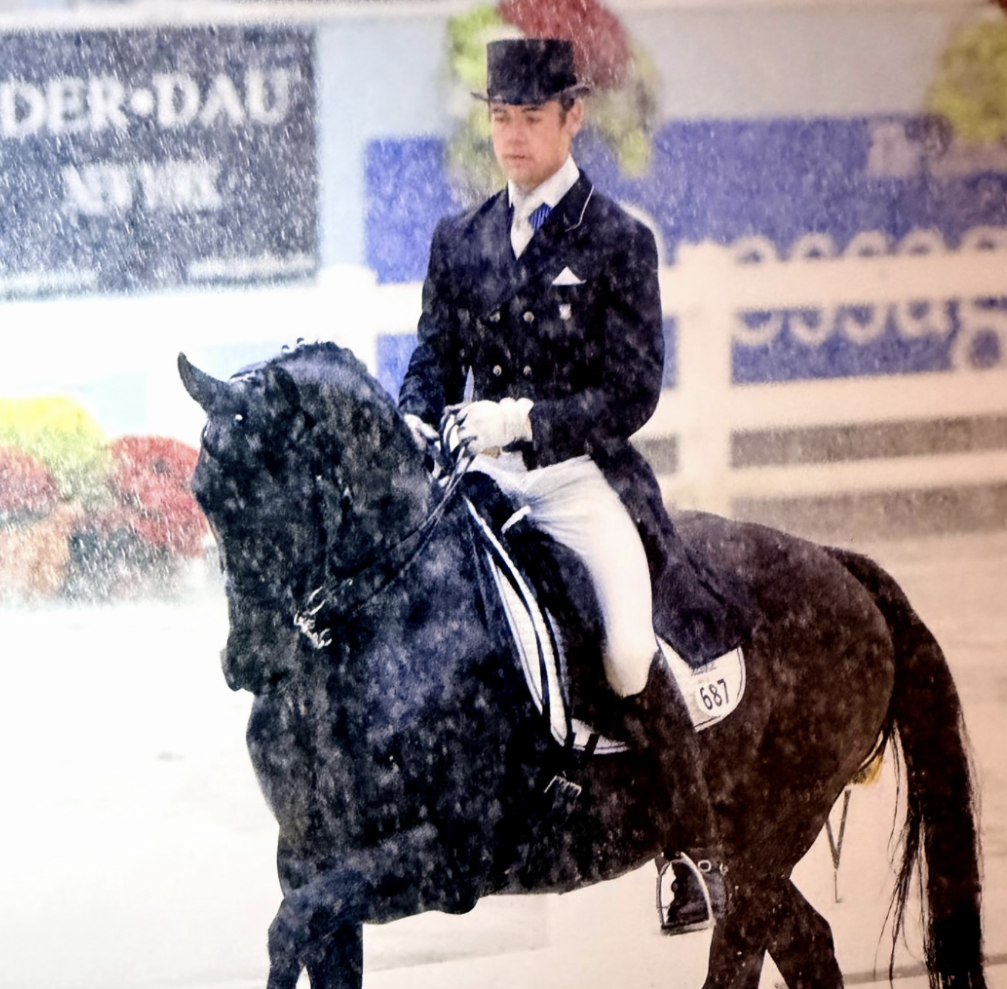
I always dreamed about the Olympics. My bedroom didn’t have cars or girls in bikinis on the walls. I had dressage horses and riders. Ulla Salzgeber was one of my favorites, and Lars Petersen was one of my heroes. I remember getting Lars to sign a hat for me. Years later, after Germany, I would somehow end up working for and training with him in Florida. Life is strange that way.
I don’t want to rewrite my childhood now and pretend I was this naturally gifted young rider who everybody knew was going somewhere. I wasn’t. There were riders around me who had much more natural talent. What I had was this crazy passion for horses, a huge fear of failing and an inability to quit. I really believe it is very hard to stop somebody who refuses to quit.
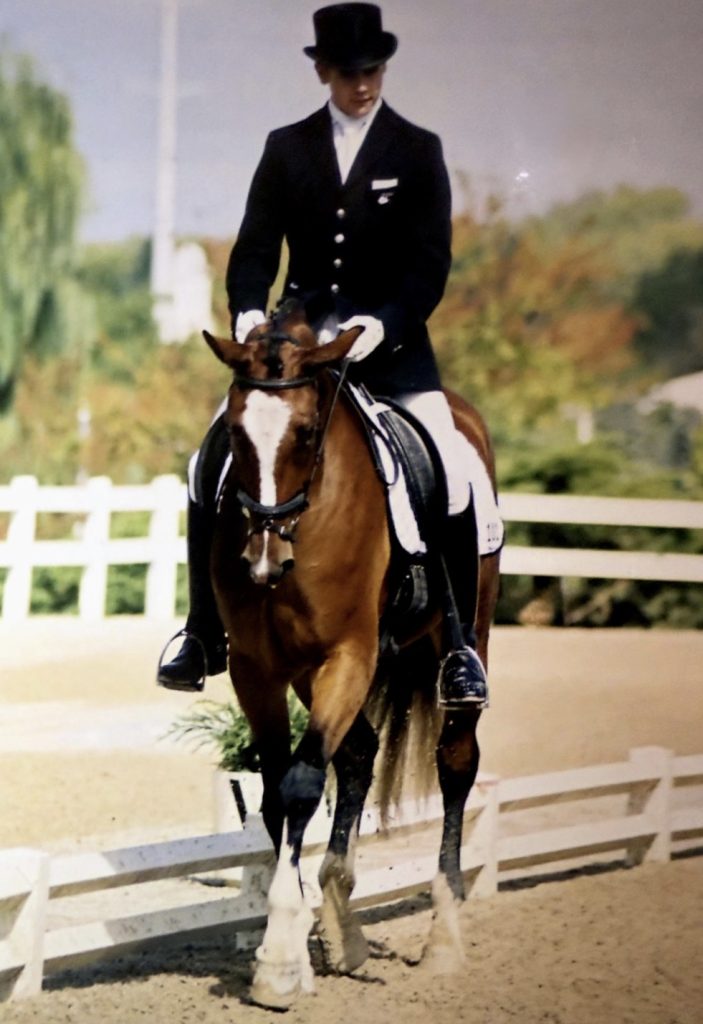
“Girl Material” —won “horse of the year”
During high school I would stay in Chicago as late as I possibly could on Sunday nights because I wanted every minute I could get around the horses. Then I would drive about four hours home to Wisconsin, sometimes getting there at two or three in the morning. I had to be up at seven for school, and obviously I hadn’t done my homework. Somehow I stayed on high honors. I received a scholarship to a respected college and my father really wanted me to take that path. I knew I wanted horses.
The day I graduated from high school I had my Friesian, Tjella, sitting in my little rusty stock trailer because the second graduation was finished I was driving to Chicago to work with horses full time. I think that was one of the first major moments in my life where I chose something I knew was right for me even though I knew it might disappoint somebody I desperately wanted to make proud.

My dad was not exactly thrilled. I later found out he had called the people I was going to work for at Indian Hills and offered them a pretty decent bonus if they could make me quit and go back to school. Every month I stayed, the bonus got smaller. Eventually my dad called and basically asked whether I was ever going to quit. The answer he got was something like, “I don’t think so. I haven’t given him a day off in three months, I work him to the bone, and every night when he is finished he still thanks me.”
I was 18 and making about $100 a week, but I had somewhere to live and food, so honestly I didn’t care. I started with only a few horses to ride and eventually it became 15 or more a day. On my one day off I worked as a saddle fitter for Custom Saddlery so I could make enough money to get an apartment and have a little independence.

A lot of the horses I was given were difficult, and some were genuinely dangerous, but those were the horses available to me, so I rode them. It was a different time and helmets were not used as consistently as they are today. I suffered a lot of concussions during those years that I still feel the effects from today.
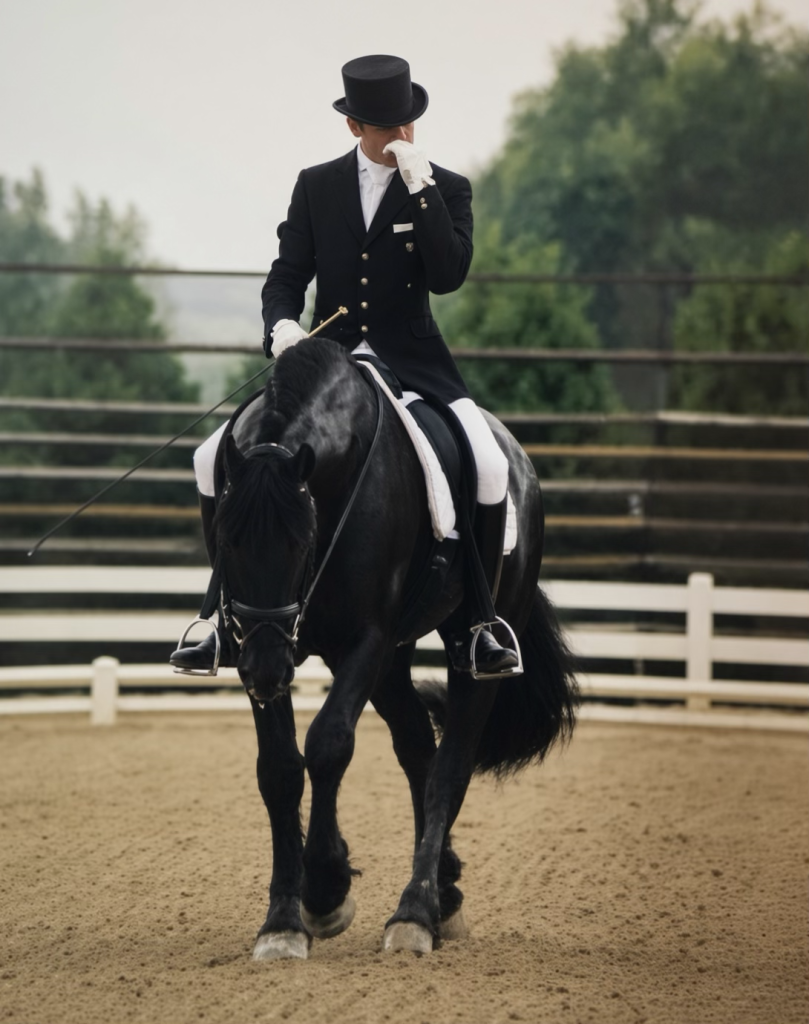
Even with that, I am incredibly thankful for every horse I was given the opportunity to ride. The sheer number of horses, and especially the difficult ones, probably taught me more than anything else could have. Some taught me patience, some taught me timing, some taught me courage, and some taught me when I needed to stop asking and find another way.
When you ride that many different horses, you learn very quickly that every horse responds differently. What gives one horse confidence may overwhelm another. What motivates one horse may make another horse shut down. Some horses are Grand Prix horses and some are not, and that does not make one more valuable than the other. You cannot judge a fish by its ability to climb a tree. I would rather have a happy Small Tour horse who enjoys his work than a Grand Prix horse who hates his job. A horse did not choose to become a dressage horse. We chose that for them, so I believe our ambition should not become their burden.
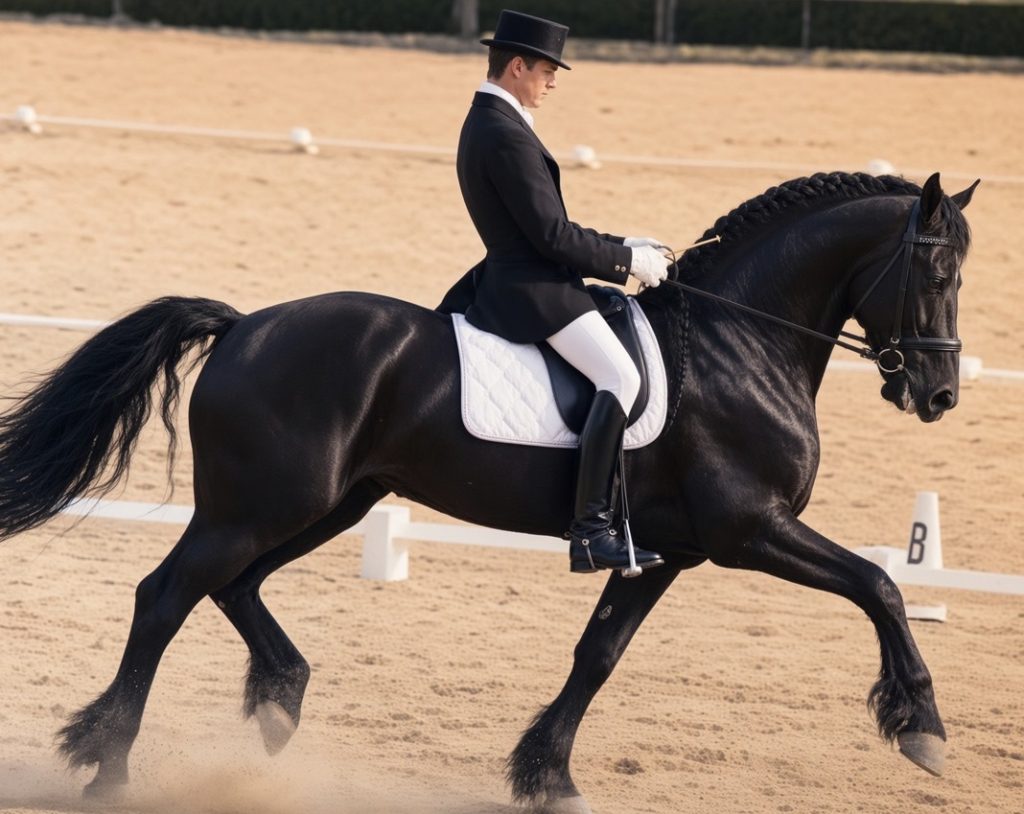
Tjella taught me another lesson that shaped the trainer I eventually became. I trained him through Grand Prix while I was still very young, but his flying changes were always difficult. I wanted so badly to be the perfect student that I was afraid to practice them unless one of my trainers was there because I didn’t want to make a mistake.
Later, when I found myself without somebody watching every ride, I had no choice but to figure things out myself. I started watching the horses more closely. Was the horse weak? Confused? Anxious? Anticipating? Or was I causing the problem myself? Most importantly, I started allowing myself to make mistakes.
I made a lot of them, and strangely that was when I started learning the fastest. Eventually putting flying changes on horses became something I was very good at. Riding so many horses helped because each one gave me a different answer. It taught me that spending your life trying never to be wrong can actually stop you from becoming better. You learn much more from mistakes and losing than you do from winning.
That lesson became a huge part of how I teach. If a rider is struggling, I will sometimes ask if I can get on their horse. I don’t do that because I want to prove I’m right. I do it because I want to check if I’m right. Most of the time I feel what I expected and realize that maybe I need to explain something differently, but there have also been plenty of times where I have gotten on and realized I was wrong. Then it is my responsibility to change the training.
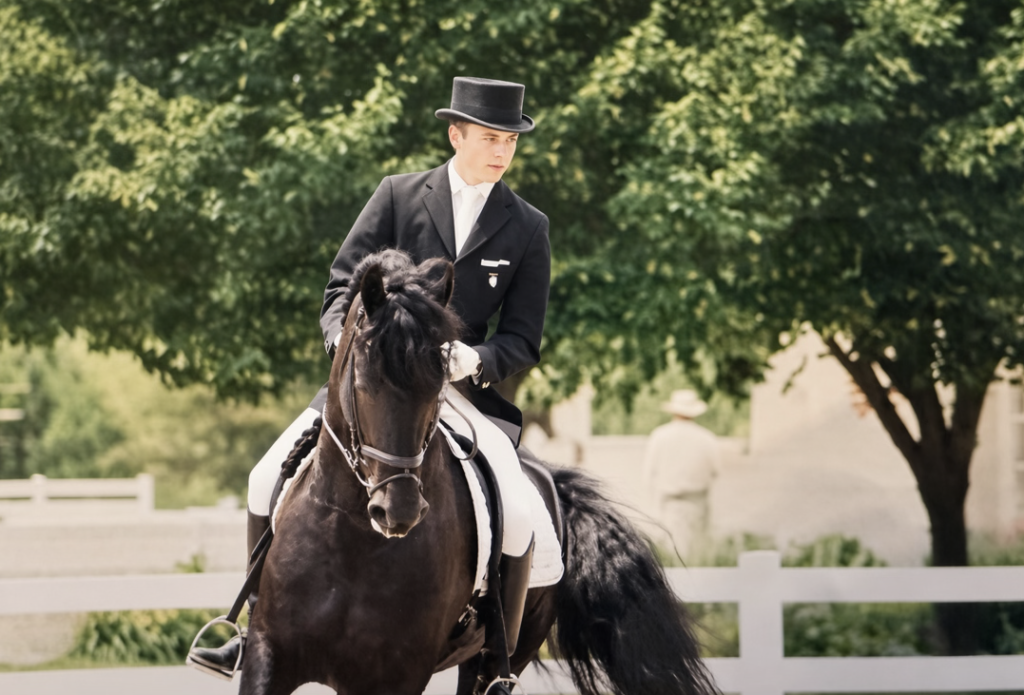
I have a lot of empathy for riders because I know how much pressure we put on ourselves. We are all trying our best, and I try to put myself in my students’ shoes. I want to challenge people and help them improve, but I also want to be the best trainer and coach I can be for that individual person. I try to be the trainer and coach that I needed at different points in my own life.
I spent almost eight years in the Chicago area, and I am very thankful for what those years gave me. I learned horsemanship, work ethic, competition strategy and had the opportunity to ride more horses than I could ever remember. At the same time, I eventually knew I needed more experience and needed to see what training looked like at another level.
Change is never easy. Even when people do their best not to hurt anyone’s feelings, moving on and growing can bring growing pains, misunderstandings and hurt feelings. I had spent years building my identity around one program, and when it was time to leave, I felt as though I was losing my work, my horse family and the future I had imagined at the same time. It was one of the hardest transitions of my life.
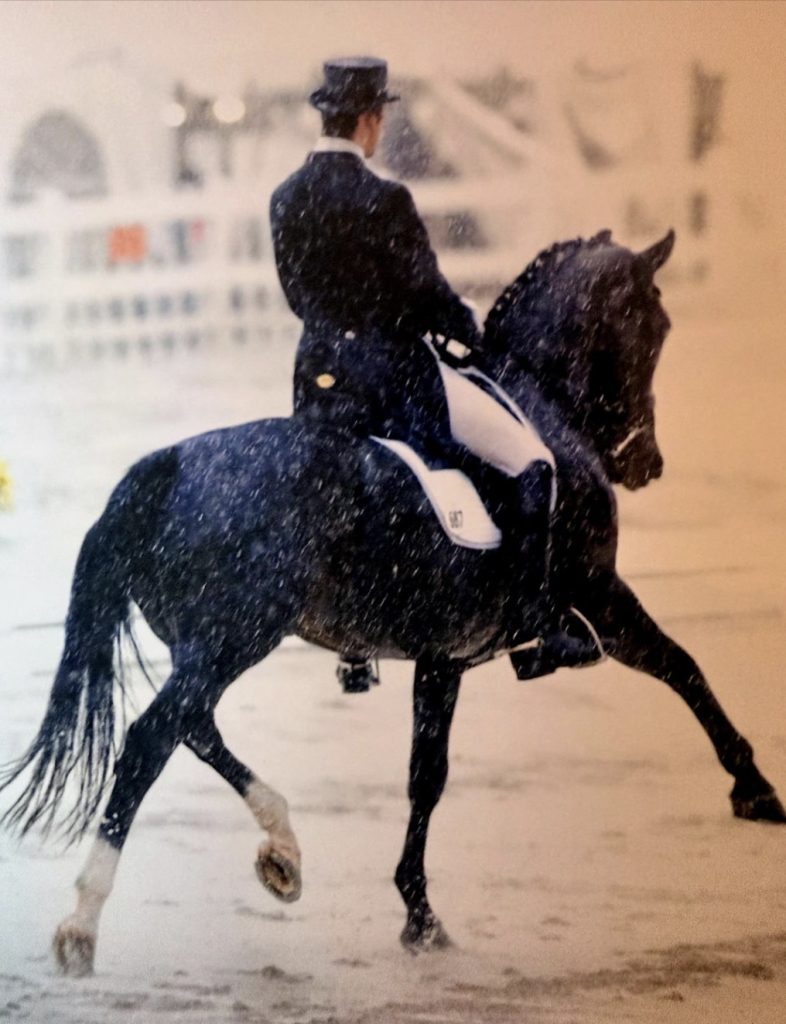
The last night I worked in the Chicago area, I had a phone call with my father. I was terrified about the future and worried that everything I had worked for might disappear. My father reassured me that everything was going to be fine. It was a simple conversation, but it helped me more than he probably realized.
What carried me through that period was continuing to show up every day and do the work. There was not one magical moment where everything suddenly felt better. It was one day, then another day, and another day after that. Slowly, life moved forward.
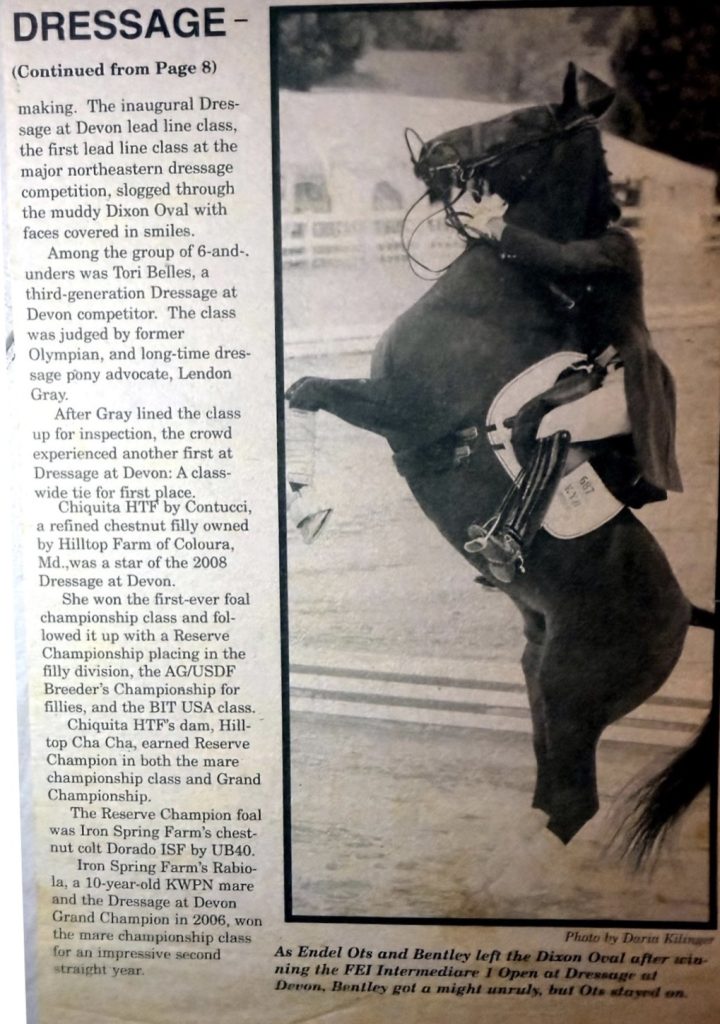
I think that is important to say, especially now when social media can make it look like everyone else’s life is perfect. People still struggle. People go through painful transitions and private battles that nobody around them may know about. The most important thing you can do during those periods is lean on your family and friends and allow people to help you.

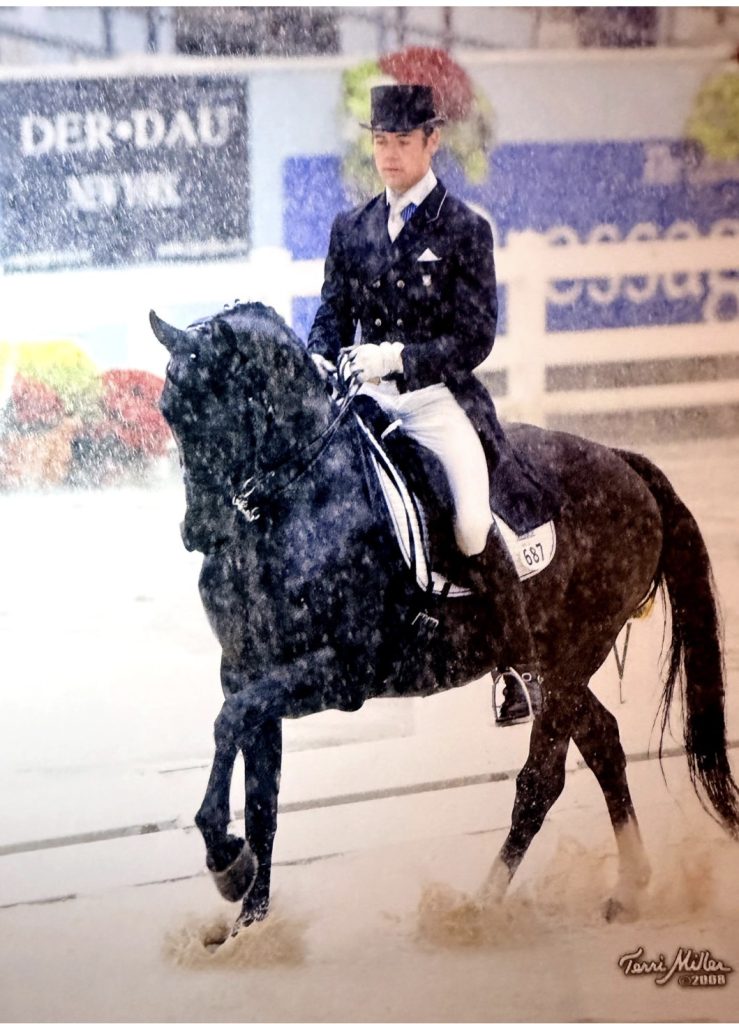
Painful periods pass, even when it does not feel like they will. It is also why kindness matters so much to me. A kind word or a small act of kindness may seem insignificant to the person giving it, but it may help somebody through a much harder time than anyone realizes. We never completely know what another person is carrying.
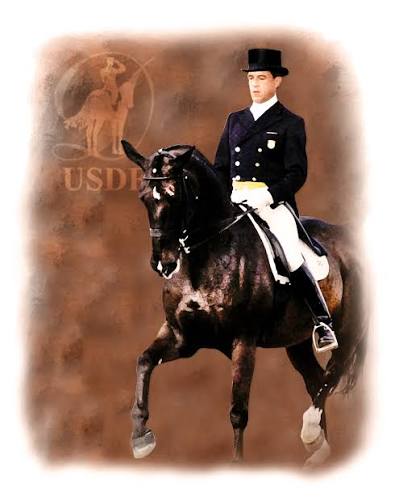
Gary Rockwell was one of those people for me. Gary came to teach clinics, and I always felt a kindness from him. He was also one of the hardest judges on me. At the time, difficult scores were hard for me to understand because I took everything personally. As I got older, I began to understand that a judge being hard on you does not always mean they dislike you. Sometimes the people who challenge you the most see more potential in you than you can see in yourself.
Gary believed I needed another opportunity and was willing to put his own name behind me. He called some of the top barns in Europe and vouched for a young rider who needed help finding a place to learn. He did not have to do that, and there was no direct benefit to him. That kindness and belief meant the world to me.
I have learned that things have a way of working out, even when the next step is not immediately clear. We all have struggles, but I believe it is important to trust life, trust God and trust that the universe has your back. That does not mean sitting still and waiting for something to happen. You still have to show up, work and take responsibility for your choices. But sometimes, after you have done everything you can, you also have to believe that the next door will open.
I never thought I was special or naturally gifted. I just knew I loved horses and dressage in this almost obsessive way, and I wasn’t willing to stop learning. Gary helped me find my way to Europe and eventually to Hubertus Schmidt’s stable in Germany.
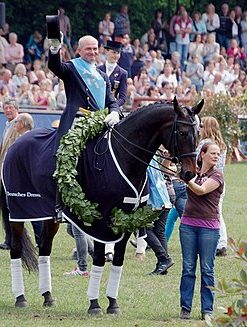
I was 24 years old when I left. I was excited, terrified, ready and hopeful for the next chapter. I wasn’t going because I thought I was already on my way to becoming an Olympic team rider. I was leaving because I knew how much more I needed to learn.
I just wanted to become a better horseman.
And after everything that has happened since, I still feel exactly the same way.
TO ASK A QUESTION OR COMMENT, PLEASE USE THE FORUM BELOW
📞 (561) 247-1049 | (920) 562-5714