WHY AUTUMN CAN BE ONE OF THE MOST DANGEROUS TIMES OF YEAR
When horse owners hear the word founder, many immediately think of a horse that was trimmed too short, suffered a severe concussion injury, or experienced trauma to the hoof. While those situations certainly can lead to laminitis and founder, they represent only one side of the equation.
As a farrier, I like to separate Founder into two broad categories:
- Mechanical Founder and
- Metabolic Founder.
Mechanical Founder: typically results from an outside force. This may include excessive hoof trimming, severe concussion on hard ground, limb overload caused by injury to the opposite leg, poor hoof balance over time, or other forms of physical trauma that damage the sensitive structures inside the foot.
Metabolic Founder: however, is a completely different challenge. It begins inside the horse’s body before we ever see changes in the hoof capsule.
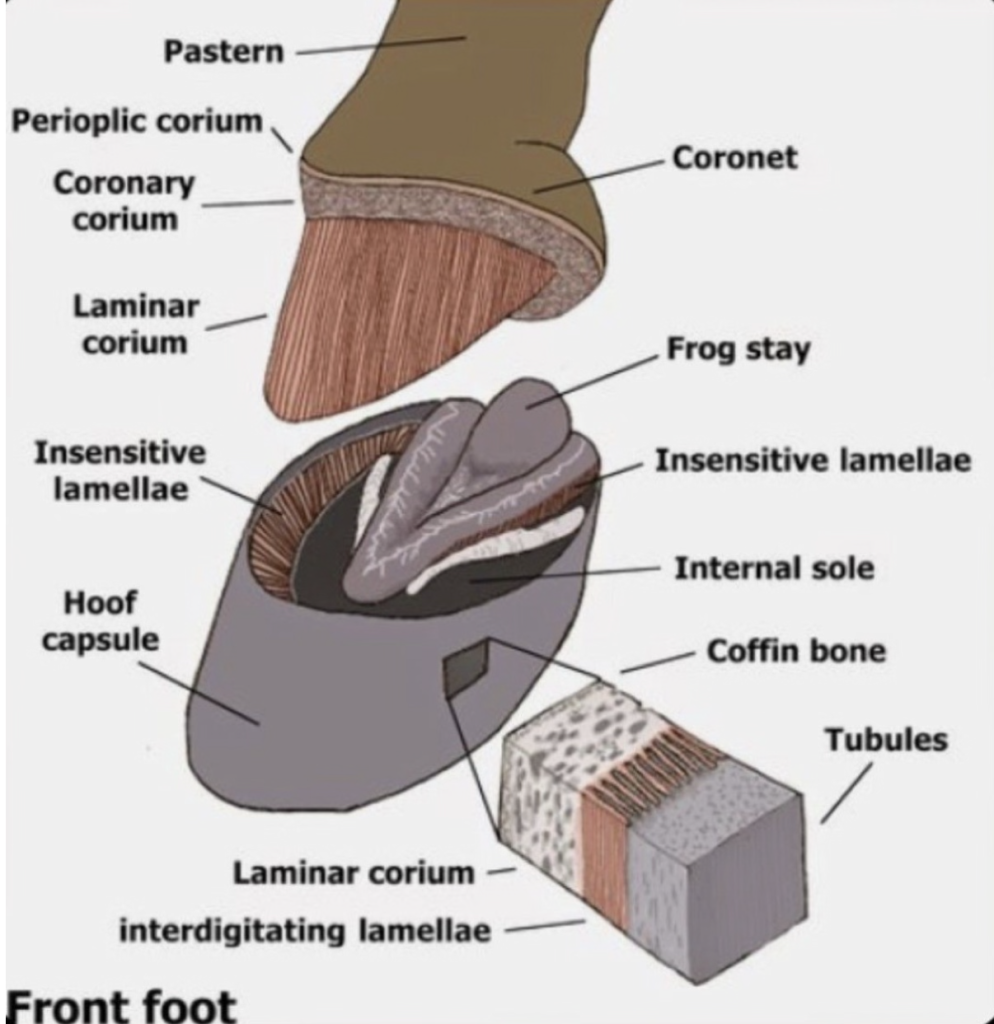
As horse owners and equine professionals, metabolic founder deserves our attention because it is often preventable—and one of the times of year that deserves special attention is the autumn season.
⚠️THE DANGER OF ROUTINE ⚠️
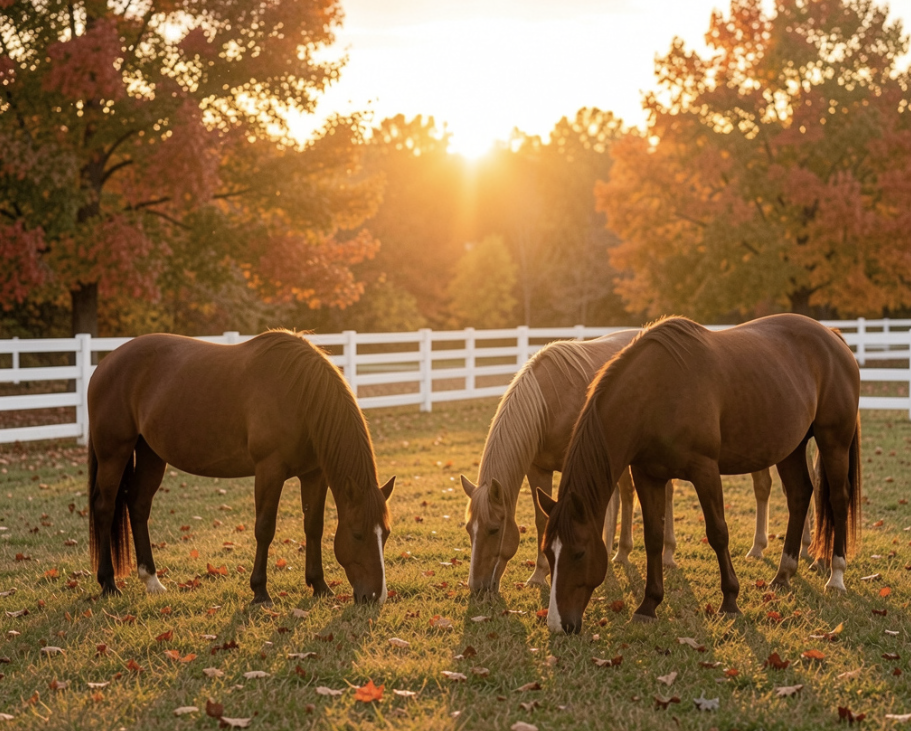
One of the biggest problems with fall founder is that it often catches experienced horse owners by surprise: we tend to do what we’ve always done because it’s worked for years.
It’s similar to how many people remember a time when peanut butter sandwiches were common in every school lunchroom. Decades ago, peanut allergies received far less attention than they do today. As science advanced, we learned far more about food sensitivities and immune responses.
The equine industry has experienced a similar evolution.
Years ago, many horses simply grazed whenever they wanted, and we rarely discussed insulin resistance, Equine Metabolic Syndrome (EMS), or the relationship between pasture sugars and laminitis.
Today, we understand much more.
MECHANICAL vs. METABOLIC FOUNDER
MECHANICAL FOUNDER is generally caused by physical damage.
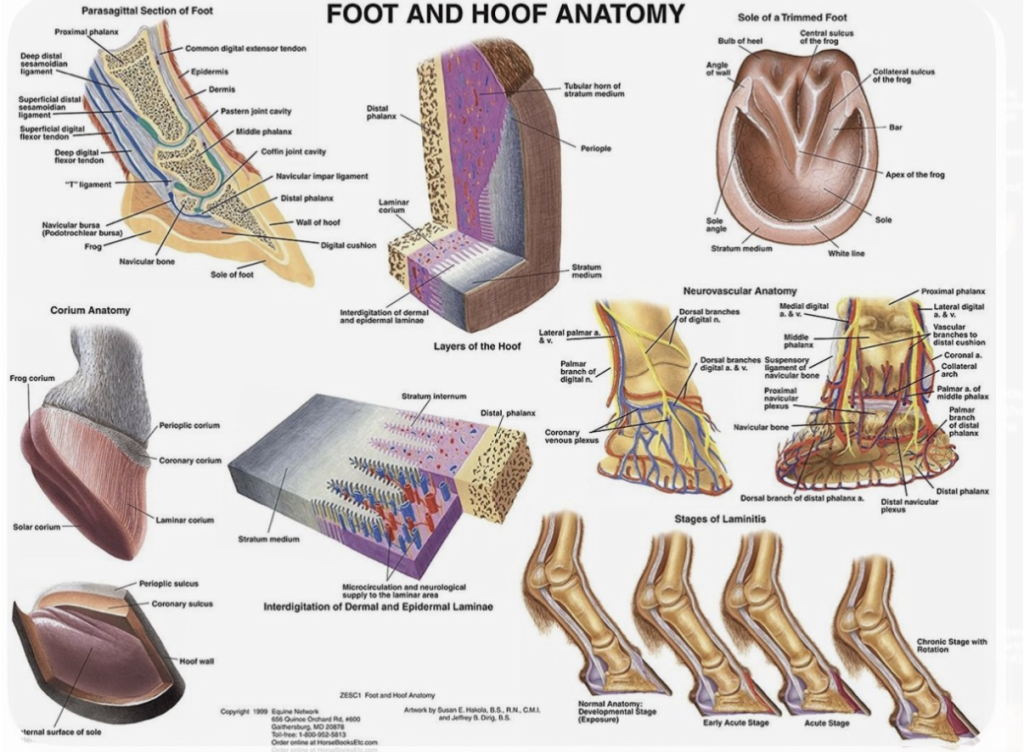
Examples include:
🧲 Hooves trimmed excessively short.
🪨 Severe concussion from repeated work on hard surfaces.
🤕Supporting-limb laminitis after an injury to another leg.
⚖️ Poor hoof balance over an extended period.
🆘 Traumatic injuries to the foot.
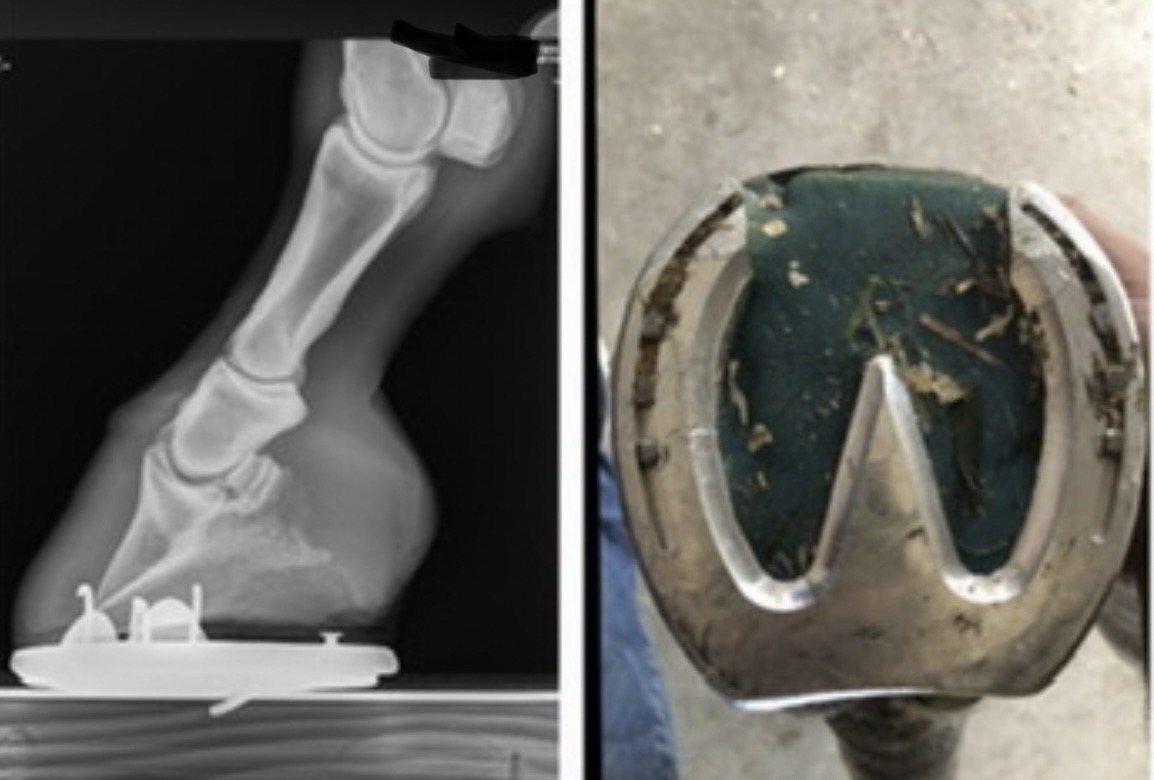
METABOLIC FOUNDER develops from disturbances inside the horse’s metabolism.
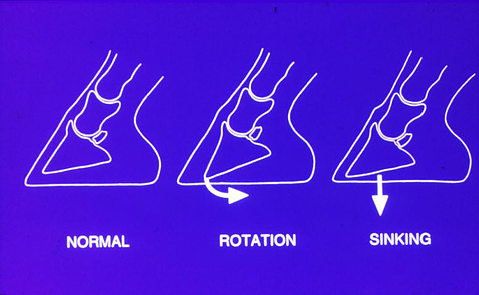
Photo provided by Lodi Veterinary Clinic, Lodi, WI🇺🇸
Rather than beginning in the hoof, it begins with the horse’s ability to regulate insulin and process carbohydrates.
Many horses suffering from insulin dysregulation or Equine Metabolic Syndrome appear perfectly healthy—until they suddenly develop painful laminitis.
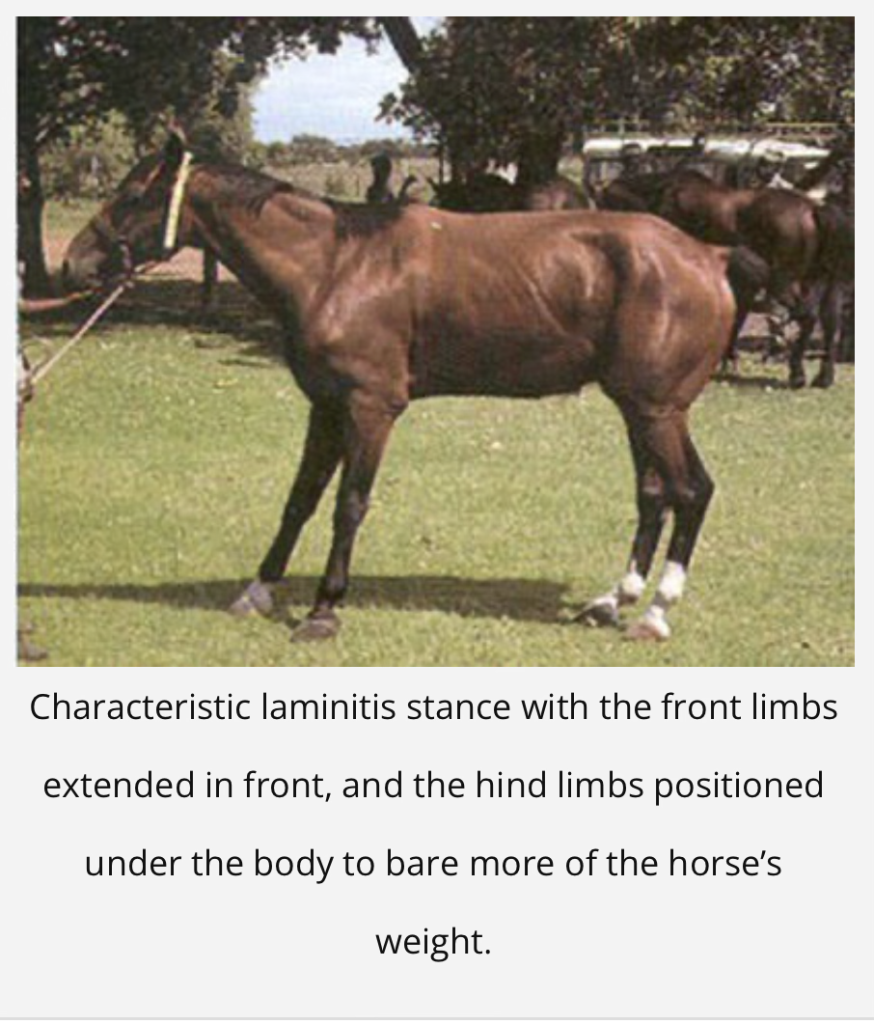
Photo provided by Lodi Veterinary Clinic, Lodi, WI🇺🇸
This is why nutrition is every bit as important as hoof care.
WHY AUTUMN IS SUCH A HIGH-RISK SEASON
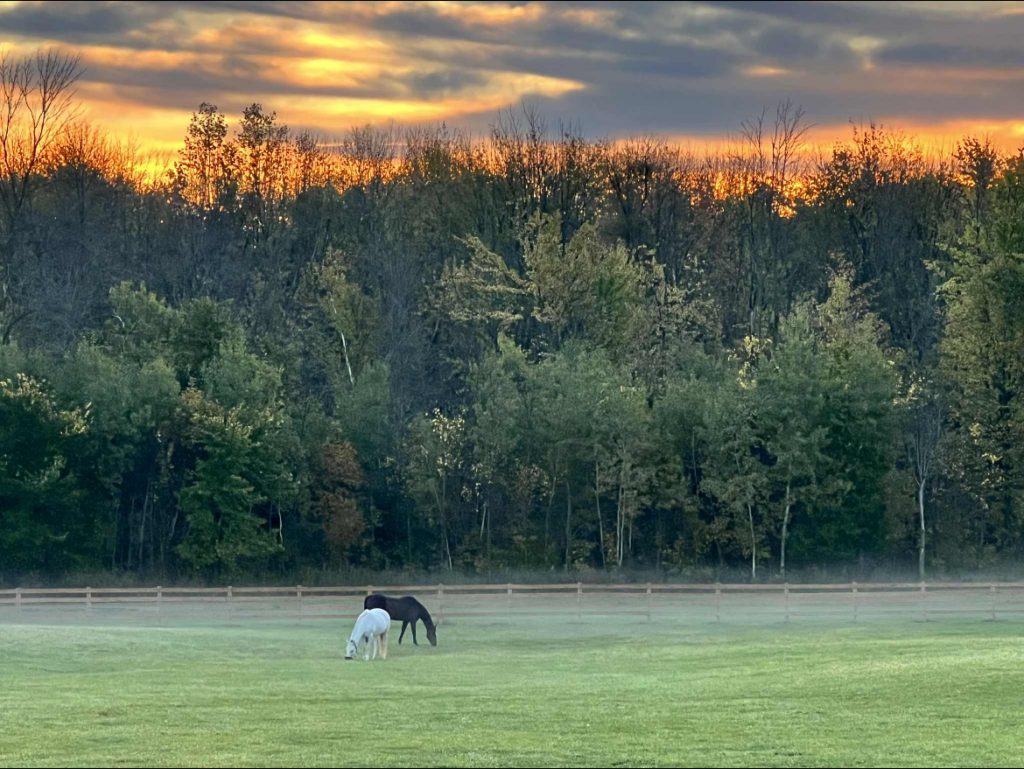
Many owners associate spring grass with founder, but fall deserves just as much respect.
As temperatures cool and daylight changes, cool-season grasses can accumulate large amounts of non-structural carbohydrates (NSCs), including sugars and fructans.
These sugars are produced through photosynthesis during the day. When cool nighttime temperatures limit the plant’s growth, those sugars are not used as quickly and can remain in the grass.
This means horses may consume significantly higher sugar levels even though the pasture appears perfectly normal.
The grass may actually look healthier than it did during the heat of summer, encouraging owners to allow longer turnout.
For horses with Insulin Resistance or Equine Metabolic Syndrome, that can become the perfect storm.
WHAT ABOUT MORNING DEW?
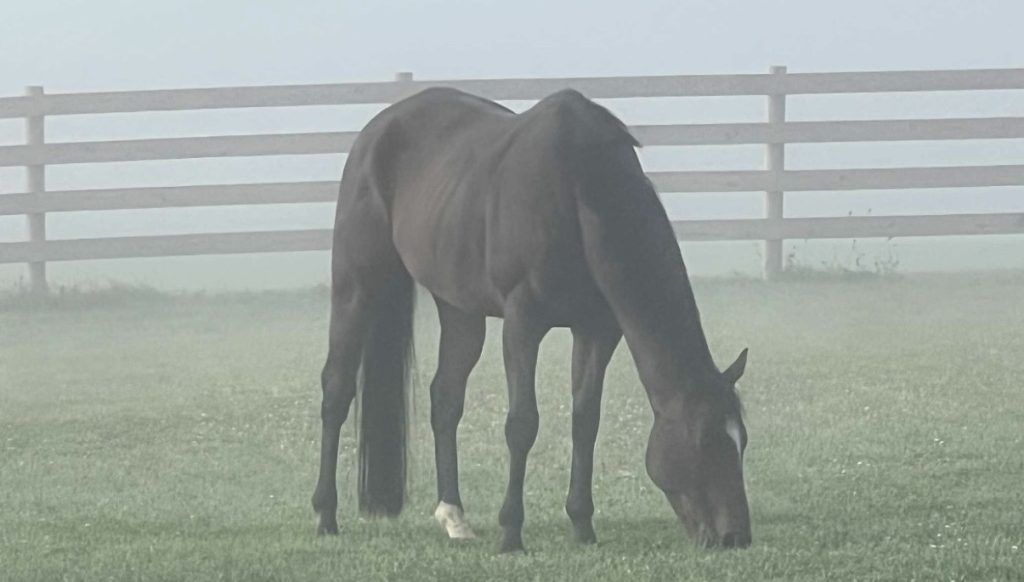
Many horse owners notice heavy morning dew in the fall and often associate those mornings with founder risk.
The dew itself does not increase the sugar content of the grass. However, cool mornings with heavy dew often occur during the same weather patterns that favor higher sugar accumulation within cool-season grasses.
In other words, the dew isn’t the problem—but the environmental conditions that produce those cool mornings often coincide with periods when grass sugar levels can be elevated.
Understanding that distinction helps owners make better grazing decisions.
🌱WHY HORSES LOVE SHORT GRASS🌱
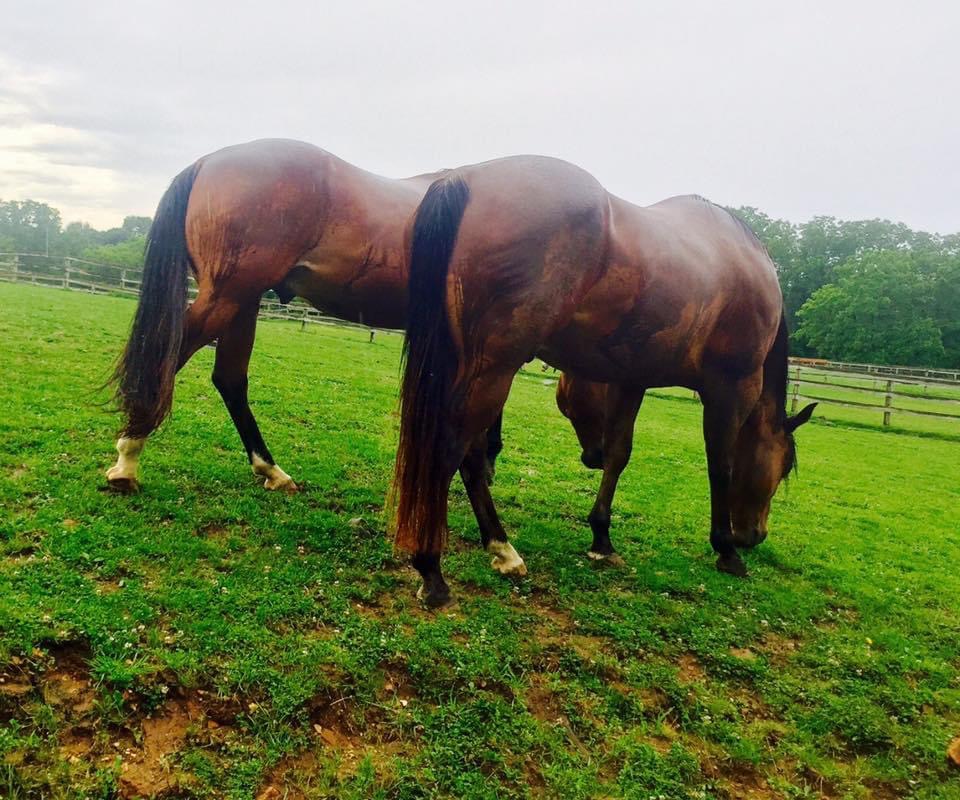
One common misconception is that allowing horses onto a pasture that’s already been grazed down is safer.
Unfortunately, that’s not always true.
Short grass frequently contains actively growing leaves, and those young shoots can contain relatively high concentrations of sugars.
Because they’re tender and highly palatable, horses often seek them out.
Owners may believe the pasture is “picked clean,” while the horse continues consuming concentrated sugars from fresh regrowth.
🌽SWEET FEED & SUGAR LOAD🌾
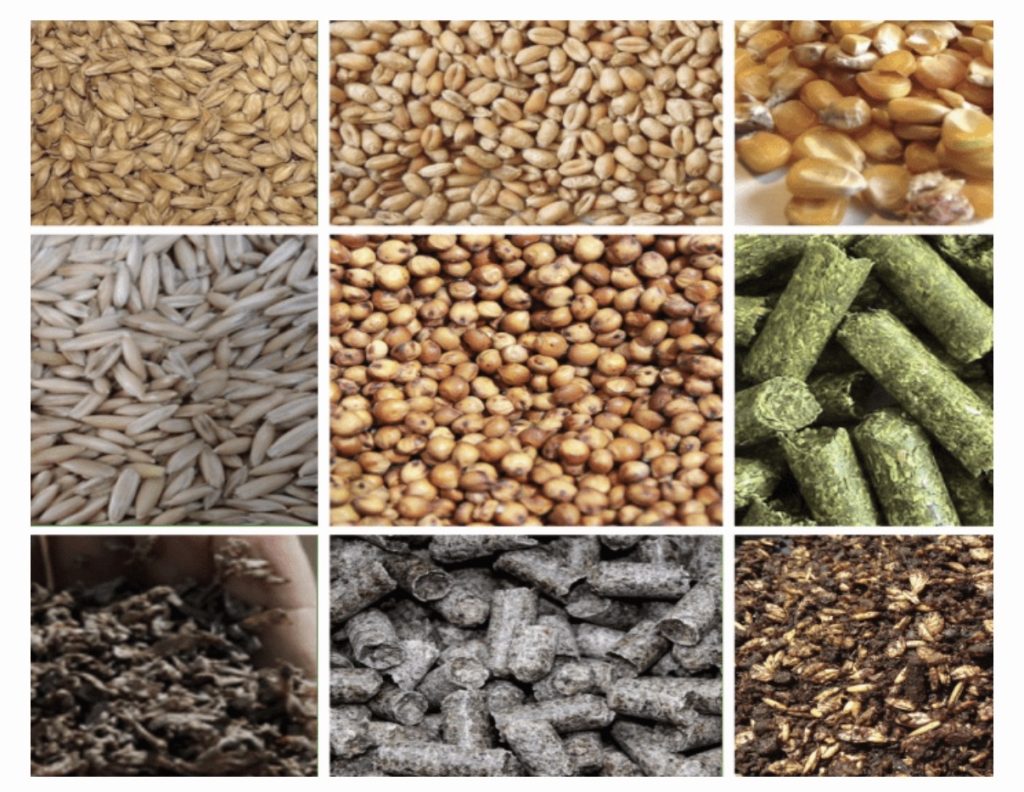
Editor Suggestion: Image from https://www.purposegames.com/game/types-of-horse-feed Visit their site to learn more.
Pasture isn’t always the only contributor.
Many horses already receive commercial grain or sweet feeds containing significant amounts of soluble carbohydrates.
When pasture sugars are added on top of dietary sugars, the total carbohydrate intake can become excessive for susceptible horses.
🏁For a horse with normal insulin regulation, this may not create a problem.
🚩For a horse with Insulin Resistance, Equine Metabolic Syndrome, or a history of laminitis, it can dramatically increase the risk of another episode.
Every horse’s nutritional program should be evaluated as a complete picture rather than focusing on only one feed source.
🚩HORSES AT GREATER RISK 🚩
Certain horses deserve additional attention during the autumn🍂
These include:
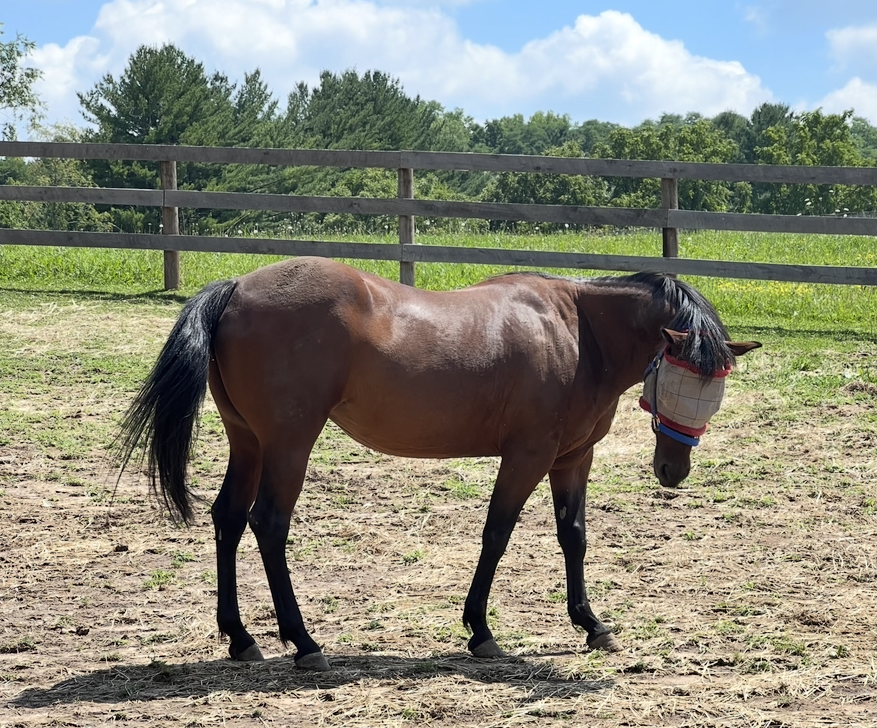
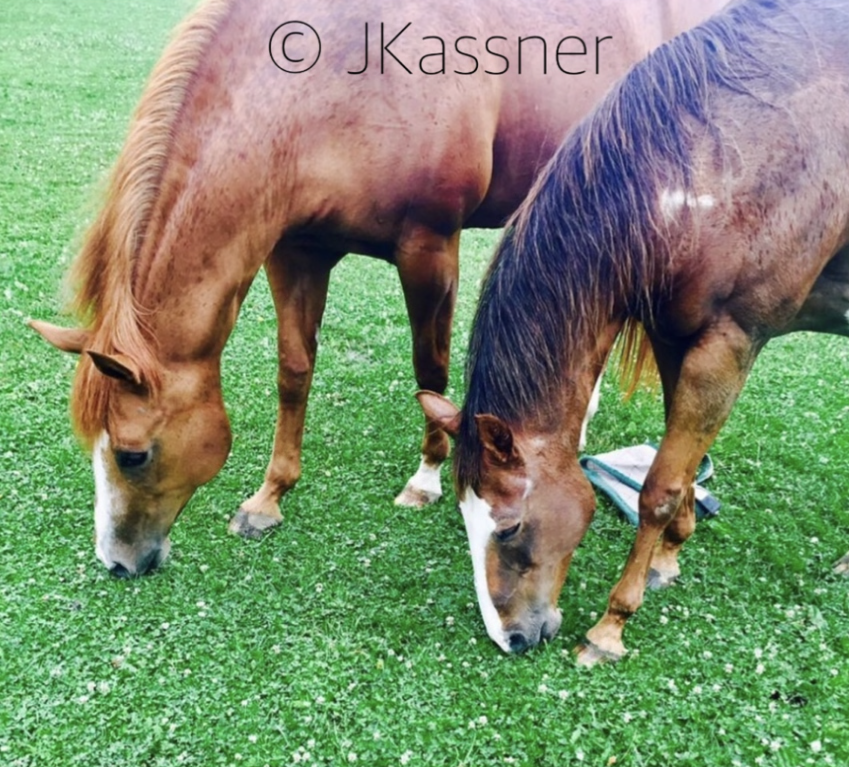
- Horses diagnosed with Equine Metabolic Syndrome.
- Horses with insulin dysregulation.
- Horses with a history of laminitis.
- Ponies.
- Easy keepers.
- Overweight horses.
- Horses with regional fat deposits such as a cresty neck.
These horses often require closer management than others grazing the same pasture.
ADDITIONAL AUTUMN RISK FACTORS🍂
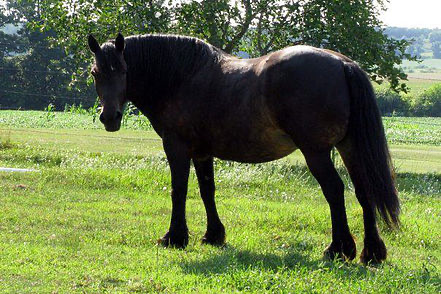
Several conditions combine during autumn to increase founder risk.
These include:
- Cool sunny days.
- Cold nights followed by bright mornings.
- Stressed pastures recovering from drought.
- Overgrazed paddocks.
- Fertilized pasture with rapid regrowth.
- Large fluctuations in daytime and nighttime temperatures.
- Increased turnout after summer restrictions.
🚩Each factor alone may not trigger laminitis, but together they can substantially increase risk in susceptible horses.
PREVENTION STARTS BEFORE THE HOOF HURTS
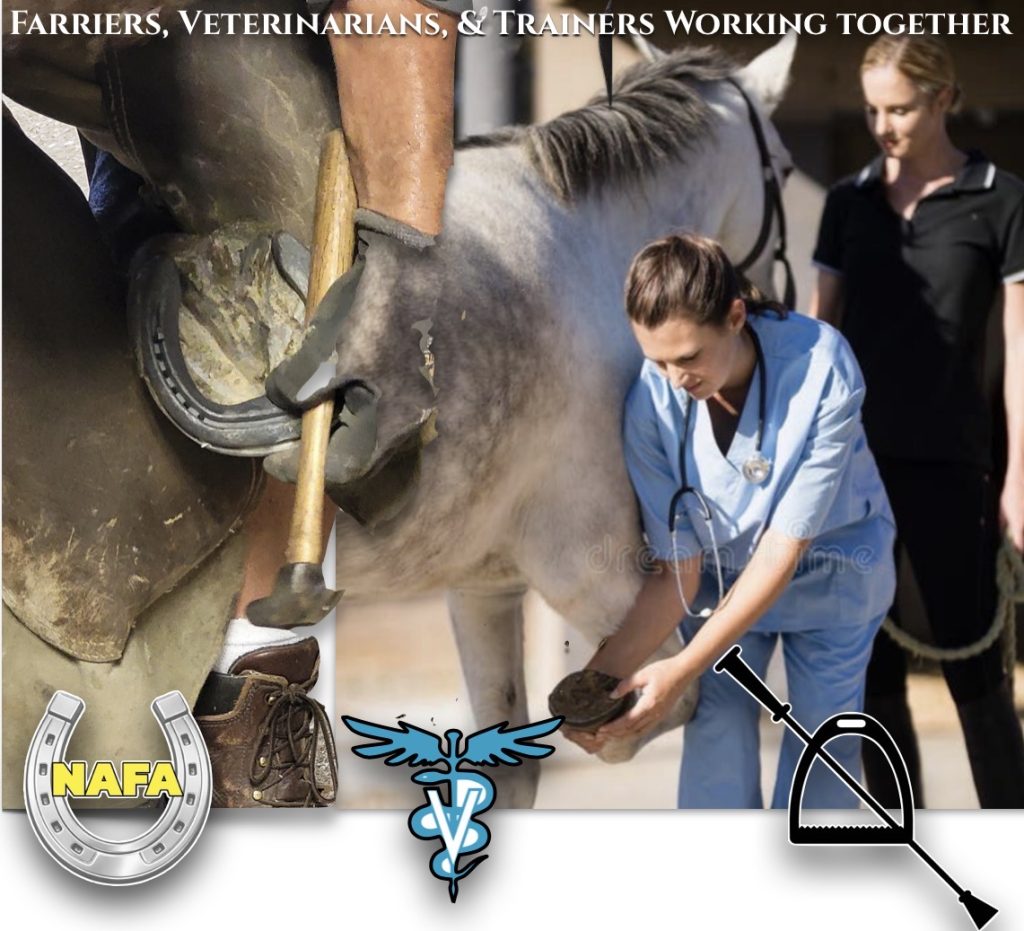
Farriers are often called after a horse becomes sore. The goal should be preventing that phone call.
Owners can reduce risk by:
Working closely with their veterinarian.
Maintaining an appropriate body condition.
Testing horses suspected of insulin dysregulation.
Feeding balanced, low-NSC diets when appropriate.
Limiting grazing during high-risk periods.
Using grazing muzzles when recommended.
Rotating pastures responsibly.
Scheduling regular farrier visits to maintain proper hoof balance.
No single solution works for every horse.
Successful prevention combines nutrition, veterinary care, exercise, and consistent hoof care.
🧲THE FARRIER’S ROLE🧲
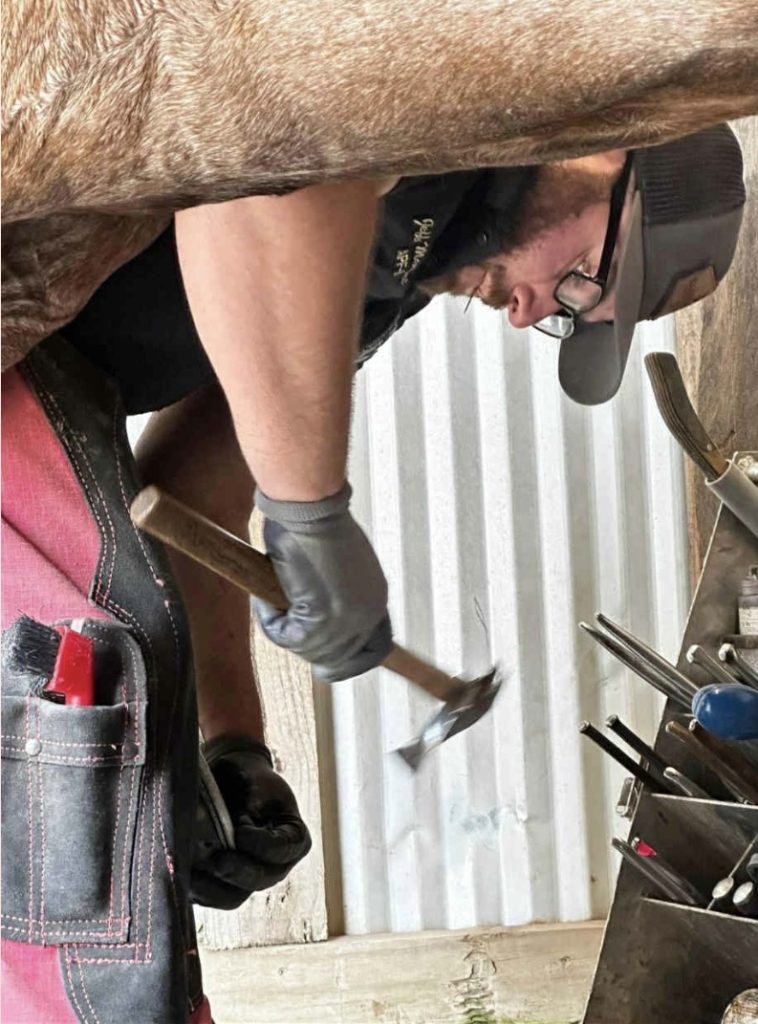
Farriers are uniquely positioned to identify subtle hoof changes before severe clinical signs develop.
Changes in growth rings, widening of the white line, alterations in sole depth, stretched laminae, and recurring hoof soreness can all provide valuable clues that something is changing metabolically.
☎️Communication between the farrier, veterinarian, nutritionist, and owner is essential.
No one professional can manage Metabolic Founder alone.
FINAL THOUGHTS💭
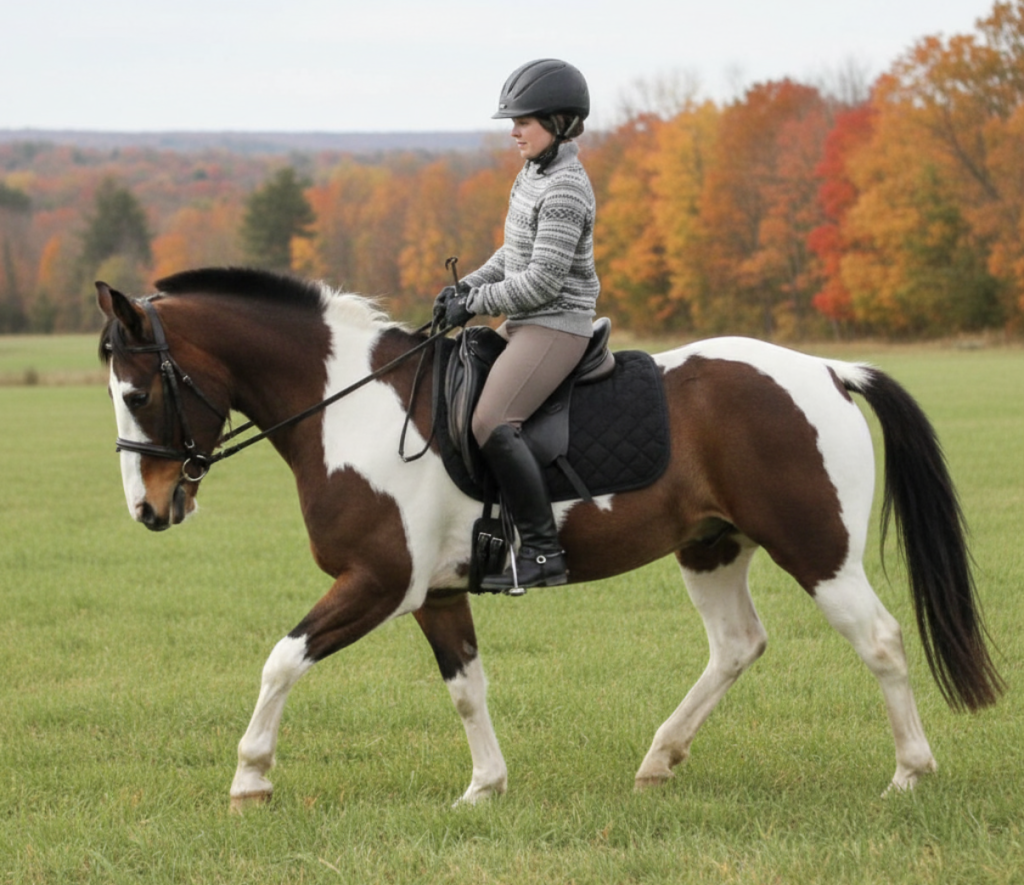
One of the greatest lessons modern equine science has taught us is that hoof care extends far beyond trimming and shoeing.
The health of the hoof begins with the health of the horse.
Understanding the difference between mechanical founder and metabolic founder allows owners to make more informed decisions throughout the year. While spring often receives the attention, autumn presents its own unique challenges that deserve equal respect.
By recognizing seasonal pasture changes, understanding the role of insulin regulation, evaluating the entire nutritional program, and maintaining proactive hoof care, horse owners can significantly reduce the risk of one of the most painful and devastating conditions affecting the equine athlete.
As farriers, our responsibility is not simply to nail on shoes or trim feet. It is to educate, collaborate, and help horse owners recognize risks before they become emergencies. Prevention will always be more effective than treating a horse after founder has already begun.
A Big Thank you to Lodi Vertinary Services, Lodi, WI. For providing some of these images. To read more about founder vs. laminitus, visit: https://www.lodivet.com/laminitis-or-founder/

Please Feel Free To Ask Questions, Leave Comments, Or Start a Discussion In the Forum further below.
SOCIAL MEDIA: