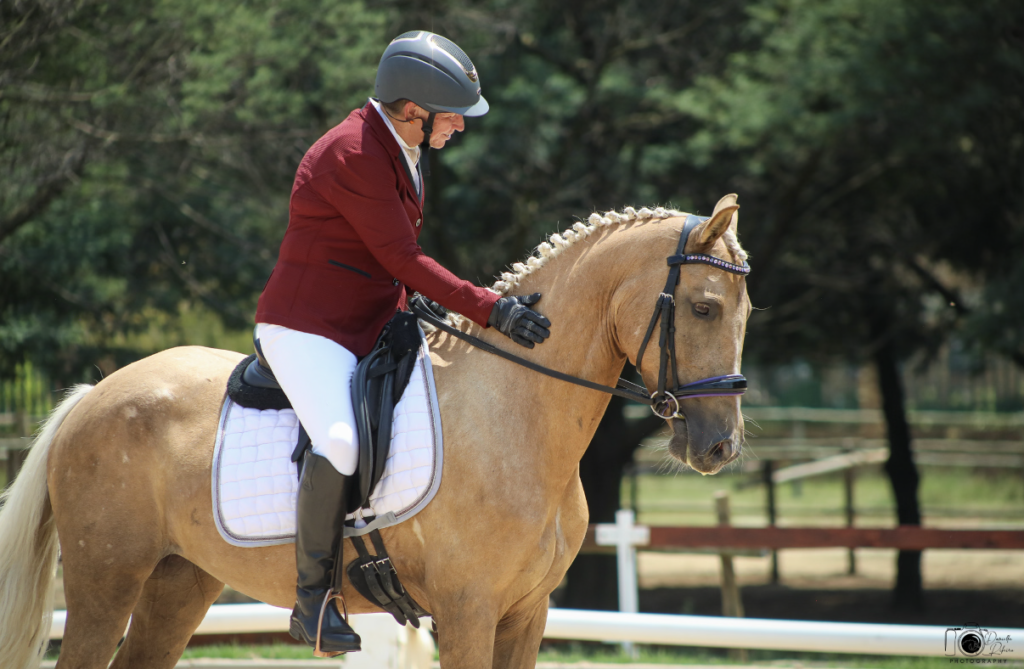
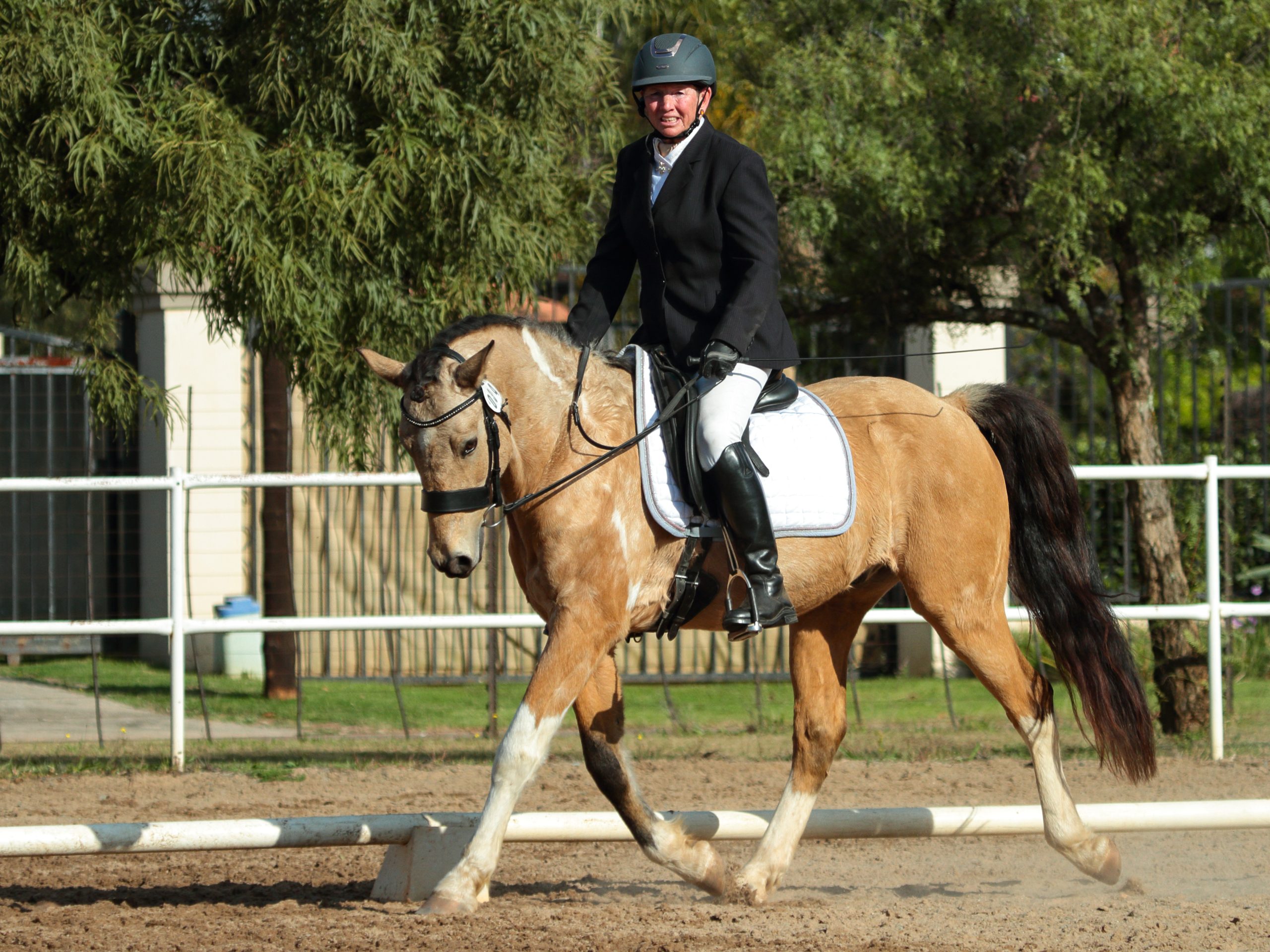
What is a transition when referred to in horse training and riding?
A transition can be as simple as turning from one side of the arena to another. Anything that asks the horse to change what it is doing to accomplish something else.
The most common use of the word transition is to describe going from one gait to another: going from walk to trot or going from trot to walk, but transitions are much more than just going between paces. It includes any change the rider asks of the horse.
Changes within a pace can be: Bending left to bending right, or right to left. Asking the horse to lengthen or shorten its stride: working trot to lengthened trot, extended canter to collected canter. Or asking the horse to go from straight work to lateral work, or lateral work to going straight. Another type of transition within the pace is asking the horse to change its carriage: from a working trot to a stretchy, long, low trot or going from medium walk to collected walk.
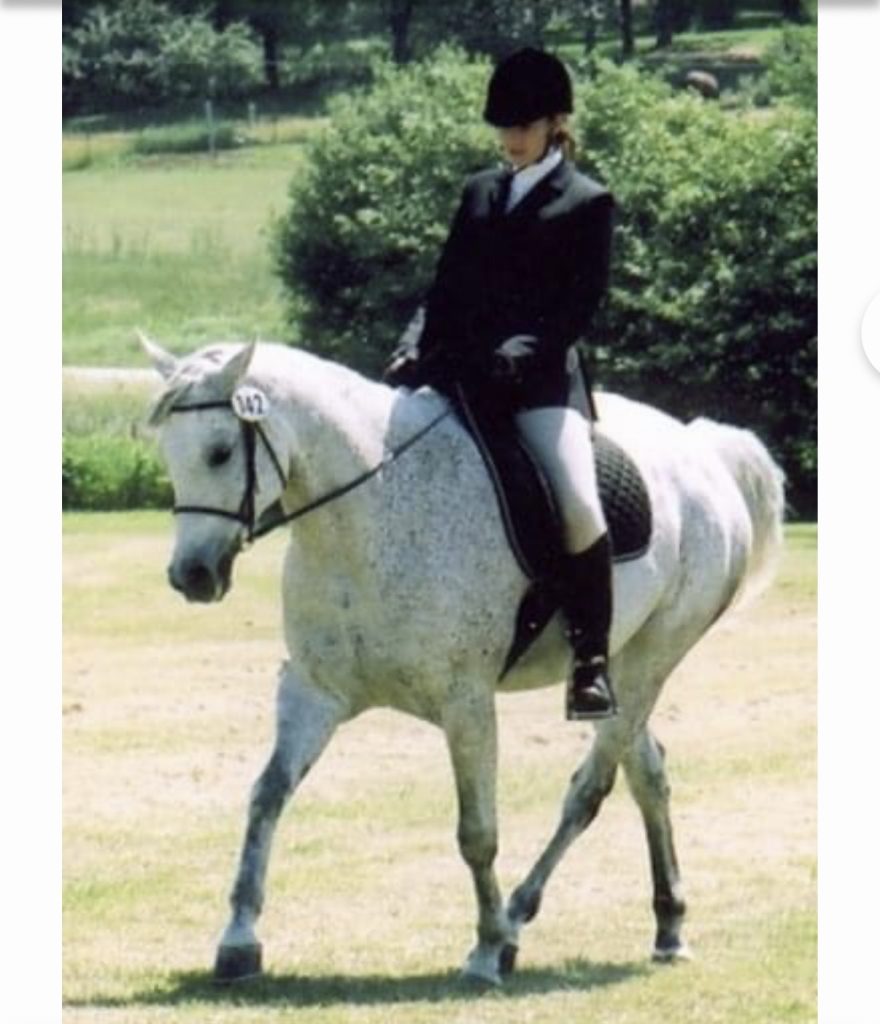
WHY ARE TRANSITIONS IMPORTANT? TO EVERY LEVEL OF RIDING & TO EVERY DISCIPLINE?
A transition does several things all at once. They help the horse engage its entire body. A human runner or cyclist does not like to stop when they have hit a rhythm in their work, a horse doesn’t either. It takes more energy and muscles to change. When the horse is rhythmic in its work it can almost go on auto pilot. Requiring very little engagement of either the horse’s body or mind. If the rider starts using transitions it changes the entire dynamic. The horse has to wake up and listen to rider’s aids and it has to start using different muscles.
A properly ridden transition will shorten the horse’s frame by getting the horse to lift its back.
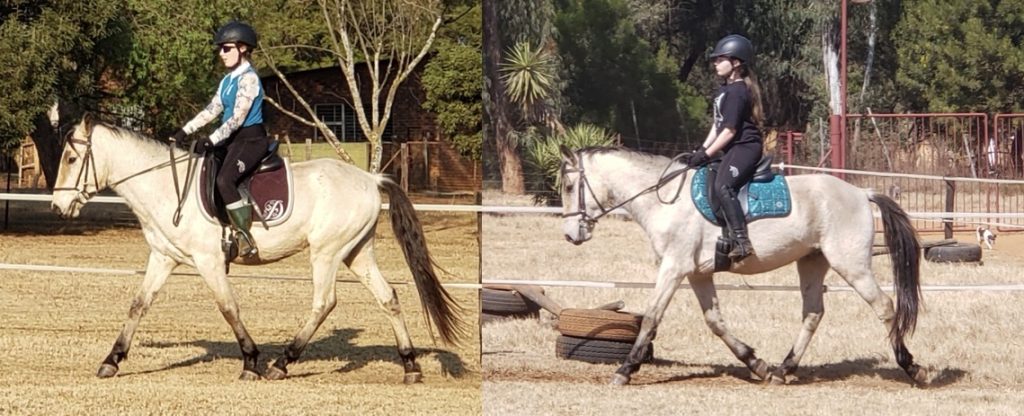
By lifting the horse’s back, the horse’s hind legs will come further under him, and that will start to shift some of the horse’s weight back onto its hind legs.
The horse will also start to learn how to balance when its body is in different positions, both horizontally and vertically as it travels into and out of the transition.
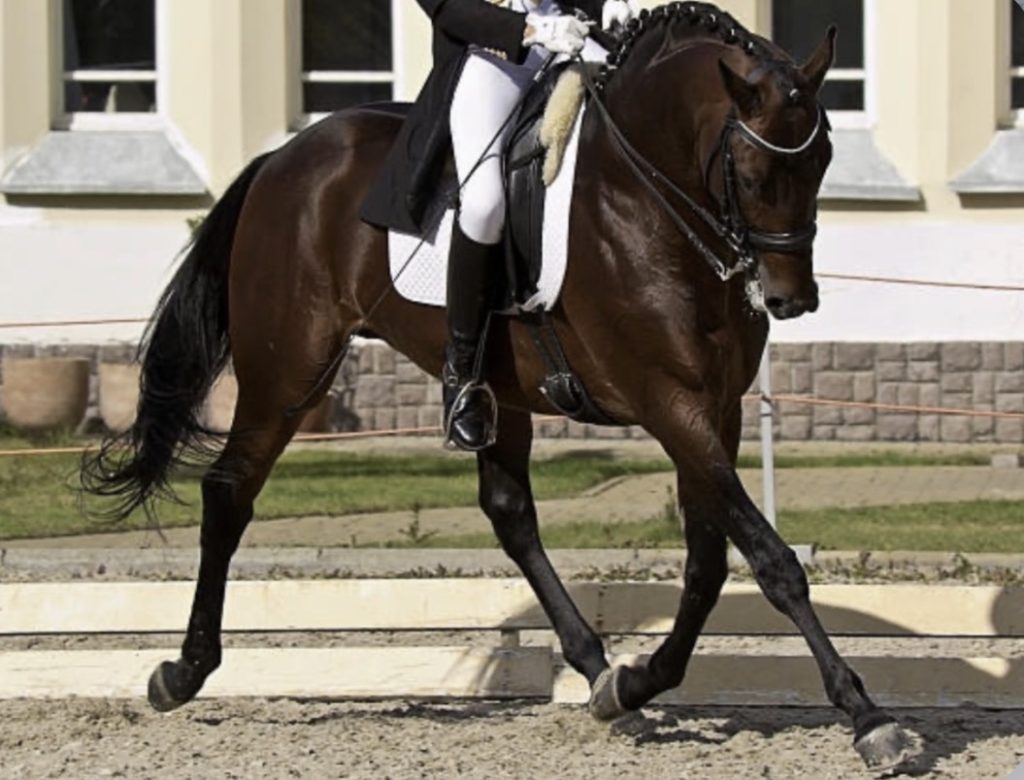
Transitions will also focus the horse on the rider’s aids, encouraging the horse to become quicker in its response and lighter to the aids over time.
Riders also benefit from riding transitions as it will keep them focused on the work they are asking for.
HOW SHOULD A TRANSITION BE RIDDEN?…
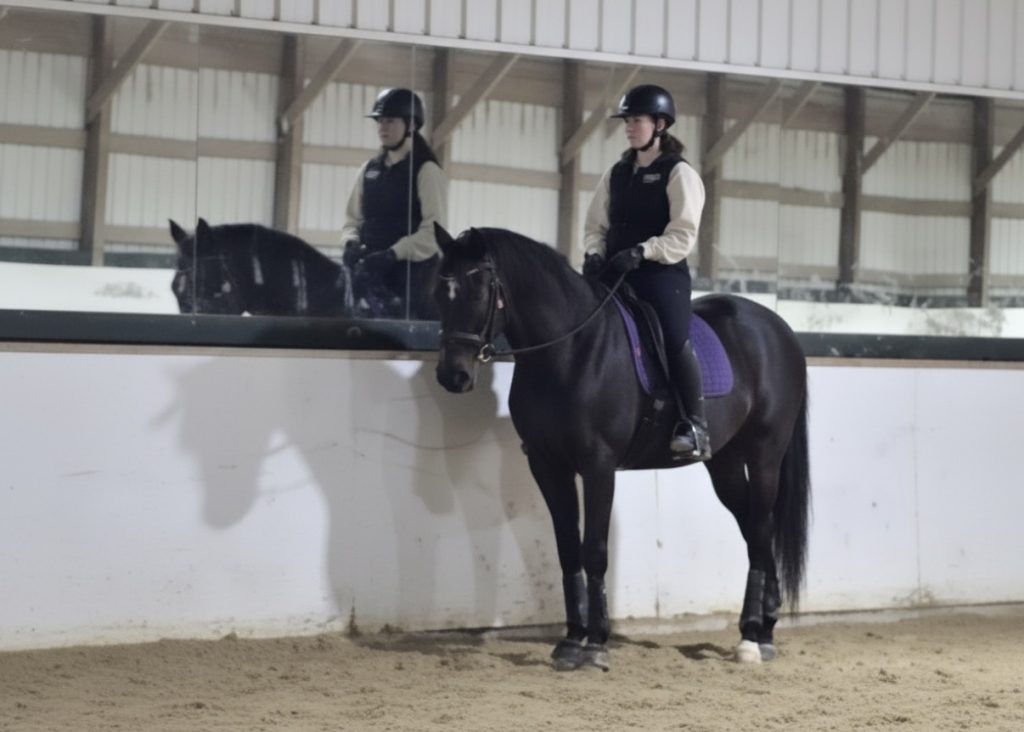
PREPARE. PREPARE. AND PREPARE!
The rider must be alert and aware of what they are doing. Their aids must be consistent and given in enough time that the horse can respond. The younger the horse is in its training the longer it will need to process the aids given and react accordingly.The horse needs to be calm and relaxed, otherwise it will not learn, it will only react.
The first transition a horse learns is to change pace. Halt to walk, walk to trot, trot to canter and back down again.
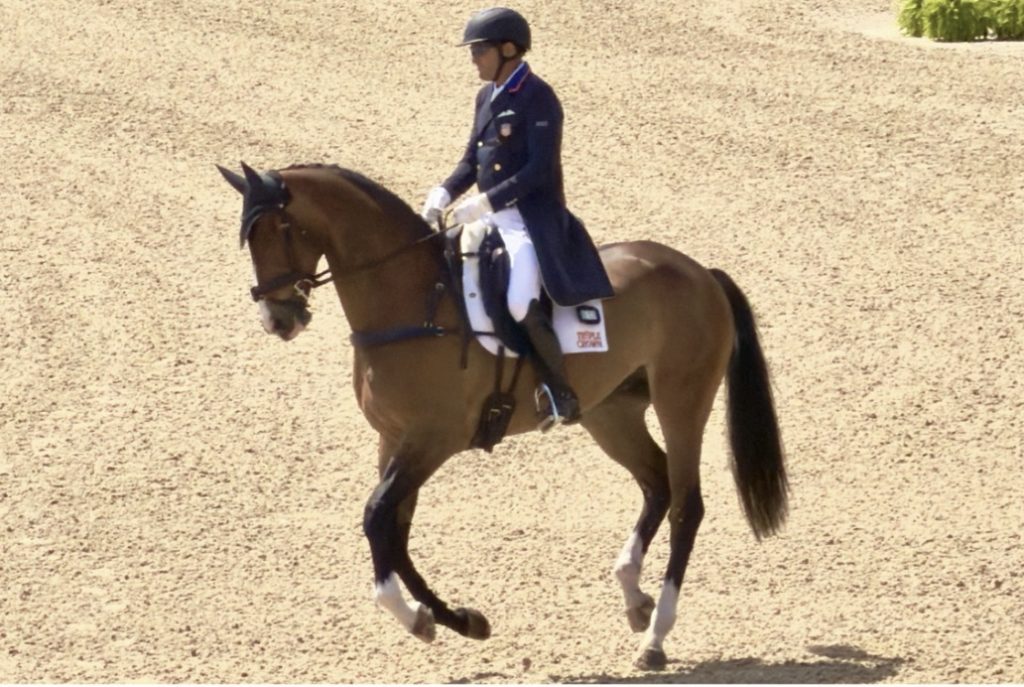
For an upward transition, As most horses are very aware of the rider’s movement, the rider should try using their seat first. The rider should start the motion of the pace they are aiming for. If no response is achieved from the horse, the leg is second, with a squeeze. The touch of a whip is the third option if the horse is not moving forward. It may take the horse a few moments to decipher what the rider is asking. In the first few days of riding the horse the rider may need to repeat the sequence of aids a second or third time for the horse to understand what is being asked of it. As the horse progresses with it training it will become quicker to respond with less effort on the rider’s part.
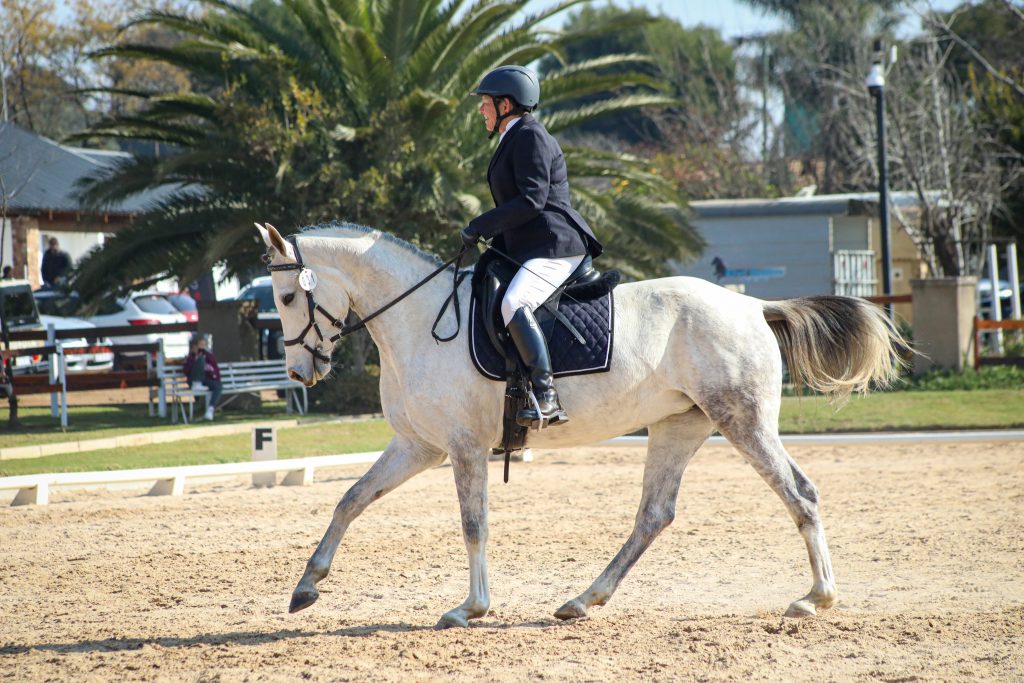
A downward transition is started with the seat and rider’s body. If the rider tightens their core, restricting the movement of their seat the horse will feel it. The rider will deepen their seat into the saddle and the rider’s heels are not pressing into the horse’s side. The calf of the rider has a quiet contact with the horse’s barrel. If the horse does not respond the rider can increase the pressure on the reins. If the horse does not slow down after the pressure of the reins, the rider may turn the horse into a small circle which will make it more work for the horse to keep going. After the horse does a downward transition, the rider should reward the horse to let it know that is what was wanted.
A simple change of bend should be first initiated by the rider’s leg and seat; first to straighten the horse then the rider’s leg can ask for the horse to change to the other direction. A horse early in its training should always be given 4 or 5 steps straight before being asked to change its bend. The horse early in its training has not yet learned how to change its body or balance quickly. The last thing a rider wants to do is to cause the horse to lose its balance, or to rush through the change of bend.
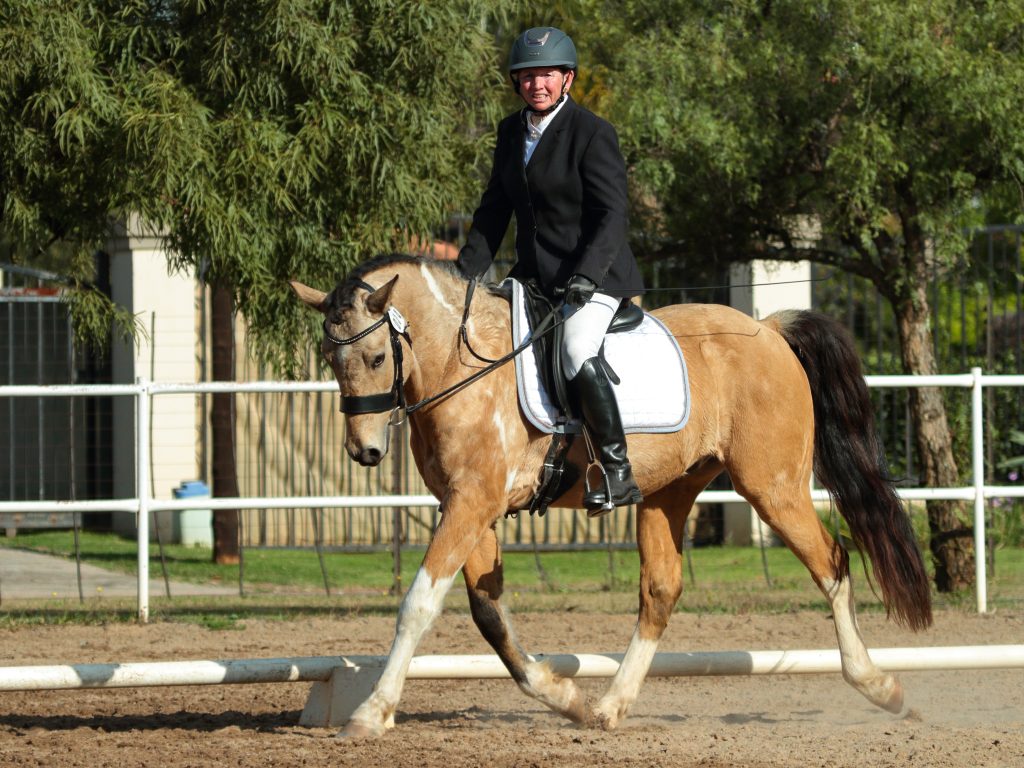
One of the most common transition that is often not ridden is going around a corner. The horse must go from straight work, to work on part of a circle, then back to straight work. The rider forgets to prepare the horse for the corner, then they also forget to ride the corner as part of a circle. The horse is left on its own to decide how to proceed around the corner-failing in, unbalanced and on its forehand.
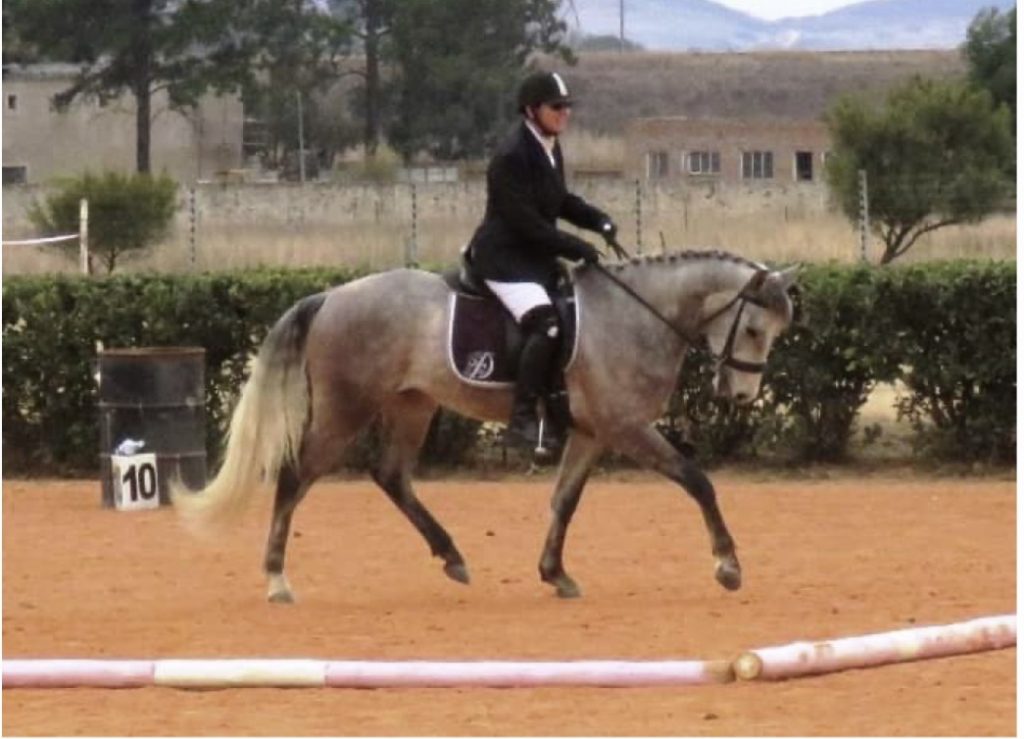
Riding a corner or a circle is the same. A corner is part of a circle. The rider’s inside leg is on, their inside seat bone is deepened and the outside rein becomes a boundary to keep the horse from over-bending, not only keep the horse’s shoulder from falling in or out but to encourage the horse to bring the inside hind leg more underneath itself to help it maintain balance. The rider should not start with riding so deep into the corner that the horse finds it impossible to stay balanced. As the horse progresses it will develop the muscles to go deeper into a corner and stay balanced without the fear of falling.
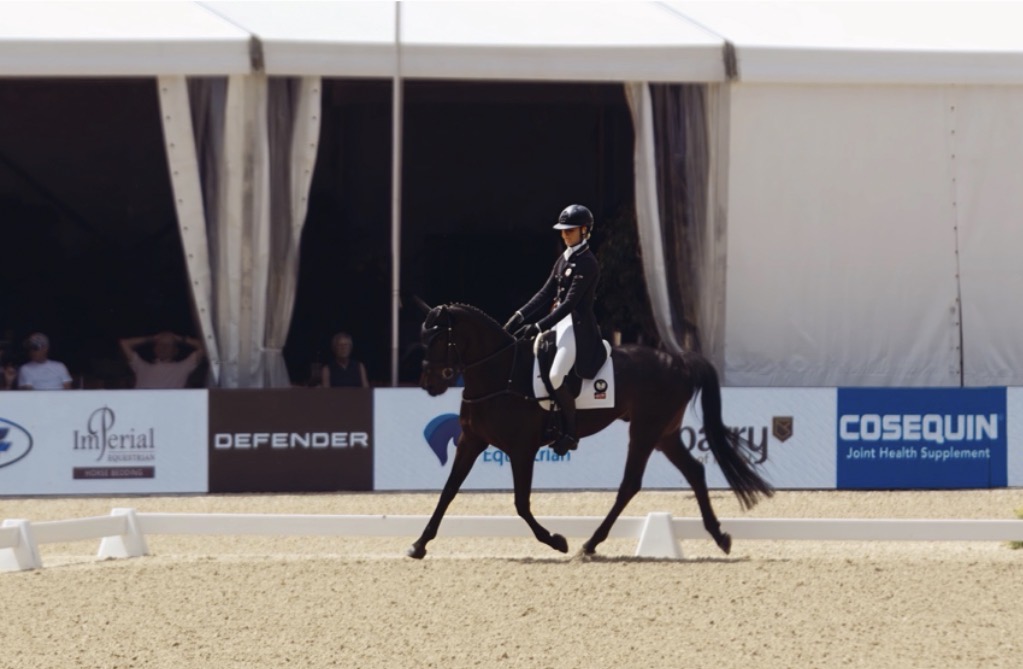
A well ridden corner is balanced, bent and engaged. The rider wraps the horse around their inside leg as it navigates the part of the circle, then straightens the horse as it come out of the corner. This will engage and collect the horse and prepare it for the next movement it will be asked for.
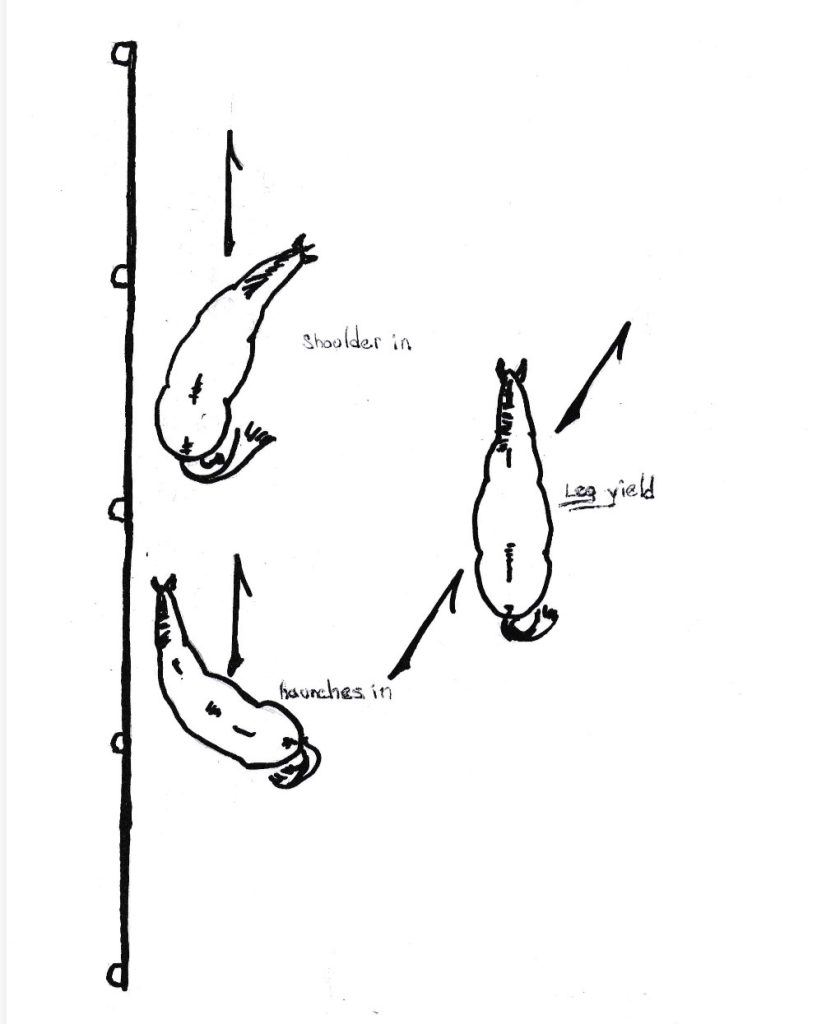
As the change from straight to a curved line (a corner) becomes easy for the horse, the rider can start to introduce some basic lateral work such as a few steps of leg yield or turn on the forehand. These transitions will help the horse learn to balance itself and will educate the horse to the rider’s leg.
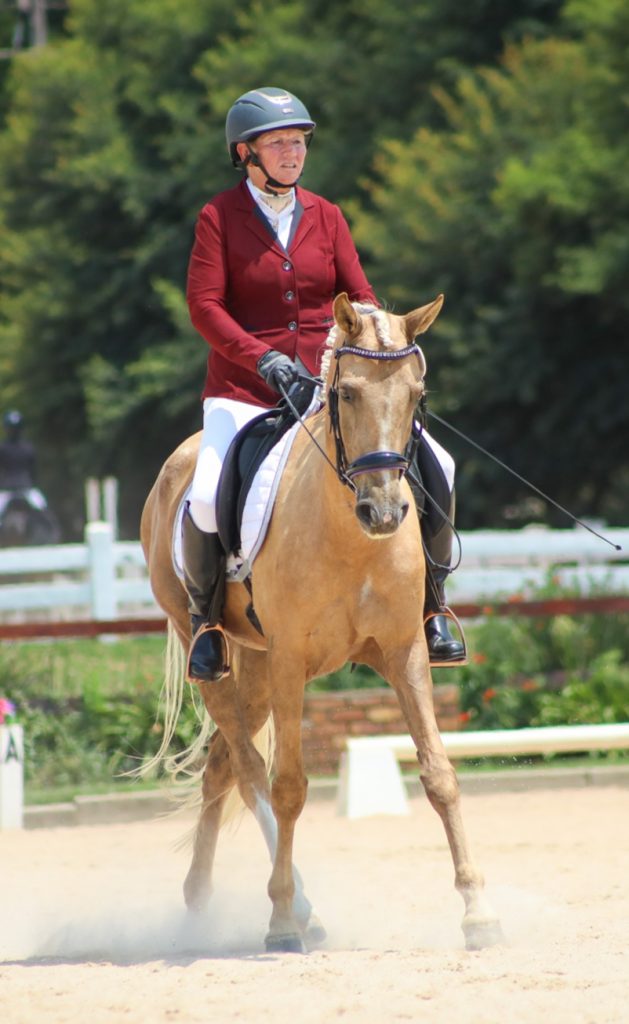
The simple exercise of going forward and then coming back to a shorter stride is another transition that is often neglected. These transitions will not only make the horse more adjustable but encourage it to start bringing the hind legs under itself and bear more weight. The rider should allow the horse to lengthen its frame as it goes forward into a longer stride. The seat asks for the longer stride by moving more. If the rider uses their legs the horse most often gets quicker in its paces rather than lengthening. As the rider brings the horse back to a shorter stride they must not take their leg off. The rider wants to keep the energy they have created but in a shorter stride.
At first there will be little difference in the horse’s stride and this exercise should not be rushed. As the horse builds the muscles and knowledge needed the difference will become noticeable. Eventually the rider should aim for a 3 stride transition into and out of a lengthening and back into shorter work. Correctly ridden this forward and back will help to teach the horse to “sit” more behind in the shorter stride helping to create true collection.
It will be difficult for a horse to evade using its body correctly during a properly ridden transition. The horse may try to take over the ride and chose when they do the transition so they have time to evade the full effect being asked for. The rider must persevere. Repetition but always to be ridden with patience.
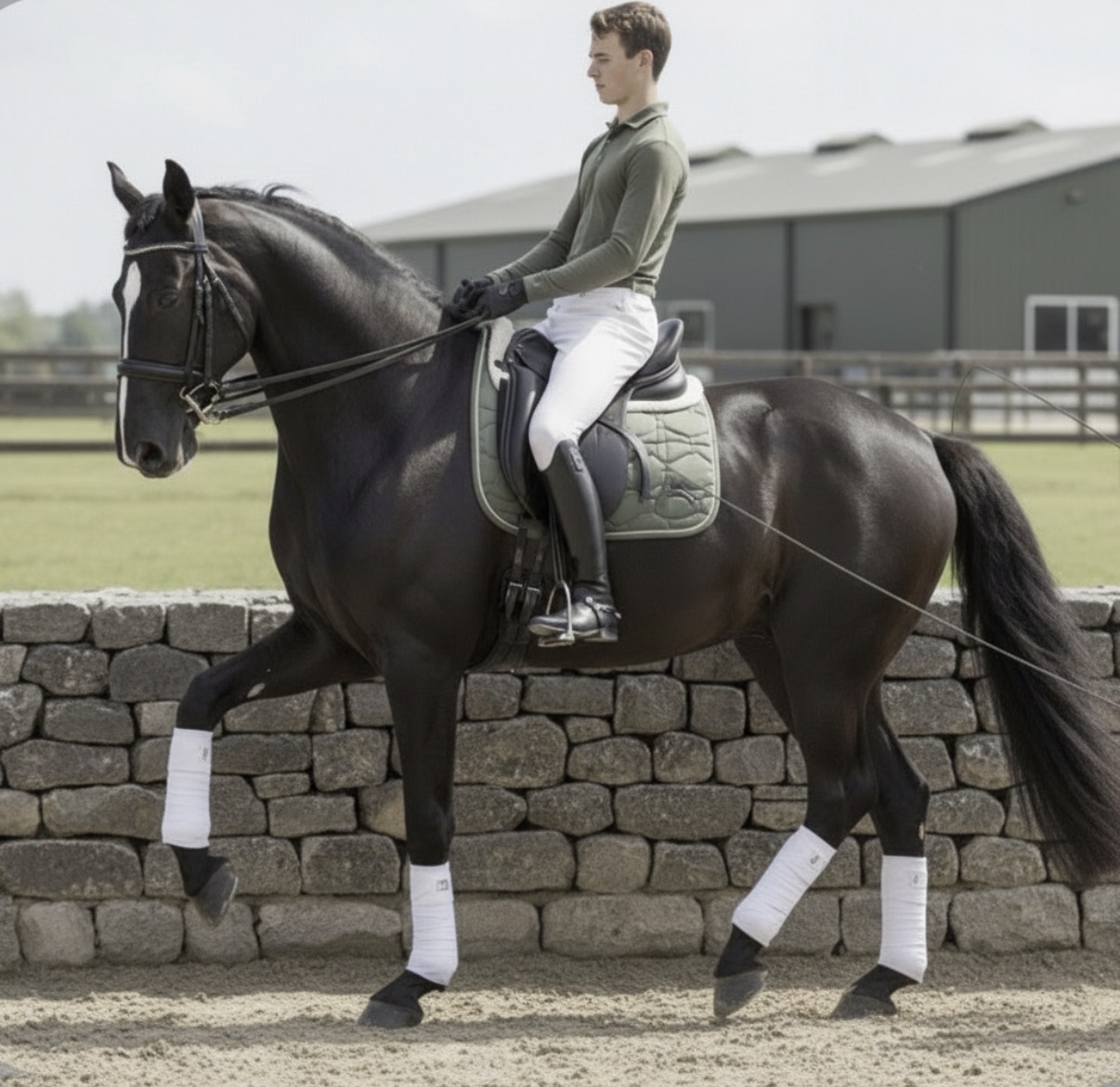
Mistakes will be made by both horse and rider. They are to be forgiven. If there are no mistakes, there can be no corrections. And with no corrections, there is no learning.
TO ASK QUESTIONS OR COMMENT ON THIS ARTICLE, PLEASE USE THE FORUM BELOW
SOCIAL MEDIA:
No