A Comprehensive Guide to Hoof Health, Moisture Management, Therapeutic Treatments, and Show-Ring Presentation
The old saying “No Foot, No Horse” has survived for centuries because it remains one of the greatest truths in horsemanship.
Whether a horse is competing at the FEI level, working cattle on a ranch, pulling a carriage through city streets, or enjoying retirement in a pasture, every aspect of that horse’s comfort, performance, and longevity depends on healthy feet.
As horse owners, trainers, veterinarians, and farriers, we spend considerable time discussing training methods, nutrition programs, conditioning schedules, saddle fit, and veterinary care. Yet all of those factors ultimately depend upon one simple reality: the horse must be able to move comfortably and efficiently.
The hoof serves as the foundation for everything the horse does.
Modern horse owners have access to more hoof care products than at any other point in equine history. Walk into any feed store or tack shop and you’ll find aisles dedicated to hoof oils, conditioners, hardeners, dressings, sealants, thrush treatments, polishes, moisture barriers, poultices, and show-ring finishing products. For many horse owners, the choices can be overwhelming.
Some products claim to strengthen the hoof. Others promise increased moisture retention. Some are designed to fight infections, while others are intended purely for cosmetic purposes. New products enter the marketplace every year, often accompanied by impressive marketing claims and testimonials. The challenge becomes separating fact from fiction and understanding which products truly serve a purpose.
As a farrier, one of the most common questions I receive is:
“What hoof product should I be using?”
The answer is always the same:
“What problem are you trying to solve?”
Every hoof care product was developed with a specific purpose in mind. Some products are designed to address disease. Others help manage environmental conditions. Some improve cosmetic appearance, while others protect the hoof from excessive moisture or dryness.
Understanding what a product is designed to accomplish is the first step toward using it correctly.
This article examines a variety of commonly available hoof care products and discusses how they fit into a comprehensive hoof management program. More importantly, we will explore the principles of hoof health that exist beyond any bottle, brush, or spray. Because at the end of the day, no product can replace proper farriery, sound nutrition, consistent management, and knowledgeable horsemanship.
UNDERSTANDING THE EQUINE HOOF
Before discussing products, it is important to understand what we are actually treating. The hoof capsule is a highly specialized structure composed primarily of keratinized tissue. While many people compare the hoof to a human fingernail, the comparison is only partially accurate.
Unlike a fingernail, the hoof must support a 1,000-pound athlete while absorbing tremendous amounts of shock.
Every time a horse takes a step, the hoof undergoes compression, expansion, loading, and unloading. During athletic performance, these forces increase significantly.The hoof wall provides structural support. The sole protects internal structures. The frog assists with shock absorption and circulation. The digital cushion helps dissipate impact forces. Together, these structures create one of the most remarkable Biomechanical systems found in nature.
A healthy hoof must maintain a delicate balance. It must be hard enough to withstand wear while remaining flexible enough to absorb concussion. Too much moisture can soften the hoof excessively. Too little moisture can make the hoof brittle and prone to cracking. Poor nutrition can weaken hoof quality. Environmental stress can damage hoof integrity. Improper trimming or shoeing can alter biomechanics and place additional strain on structures throughout the limb.
Understanding these influences helps explain why there is no single product capable of solving every hoof problem.
ENVIRONMENTAL CHALLENGES & HOOF HEALTH
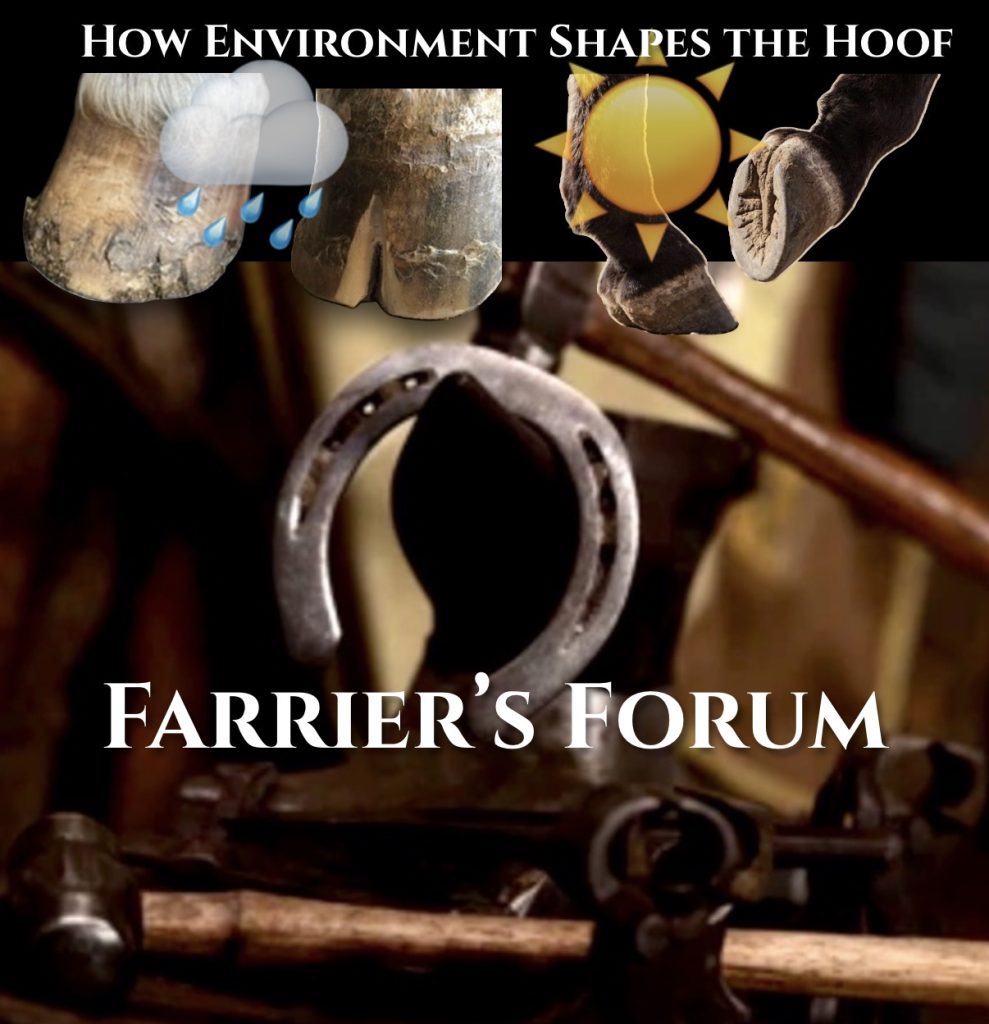
One of the greatest challenges facing modern horse owners is environmental inconsistency. A horse may spend one week standing in wet grass and muddy paddocks only to encounter dry footing and drought conditions the next.
These repeated wet-dry cycles can significantly impact hoof quality. When the hoof absorbs excessive moisture, the keratin structure becomes softer and more pliable. While some flexibility is beneficial, excessive softness can increase susceptibility to bruising, wear, hoof wall separation, and loss of nail retention.
Conversely, extremely dry conditions can cause the hoof to become brittle. Cracks may develop. Hoof walls may chip. Elasticity can decrease.
Hoof products have been developed specifically to address these environmental challenges. However, it is important to remember that environmental management remains the first line of defense.
Improving drainage, reducing prolonged exposure to mud, maintaining clean stalls, and adhering to consistent farrier schedules often produce greater improvements than any topical product alone.
HOOF MOISTURIZERS & CONDITIONERS: ONE CATEGORY OF PRODUCTS THAT HAS EXISTED FOR GENERATIONS IS THE HOOF MOISTURIZER
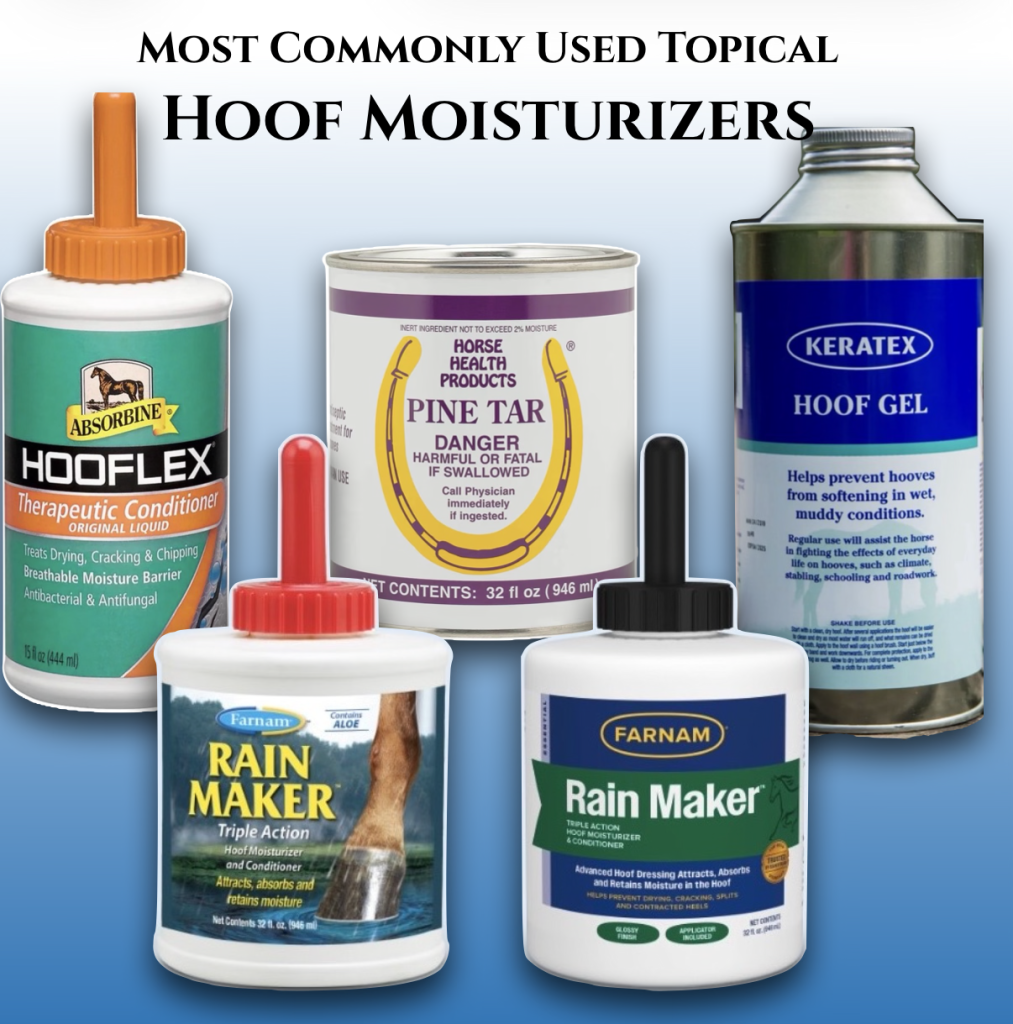
Horse owners have long searched for ways to combat dry, brittle feet.
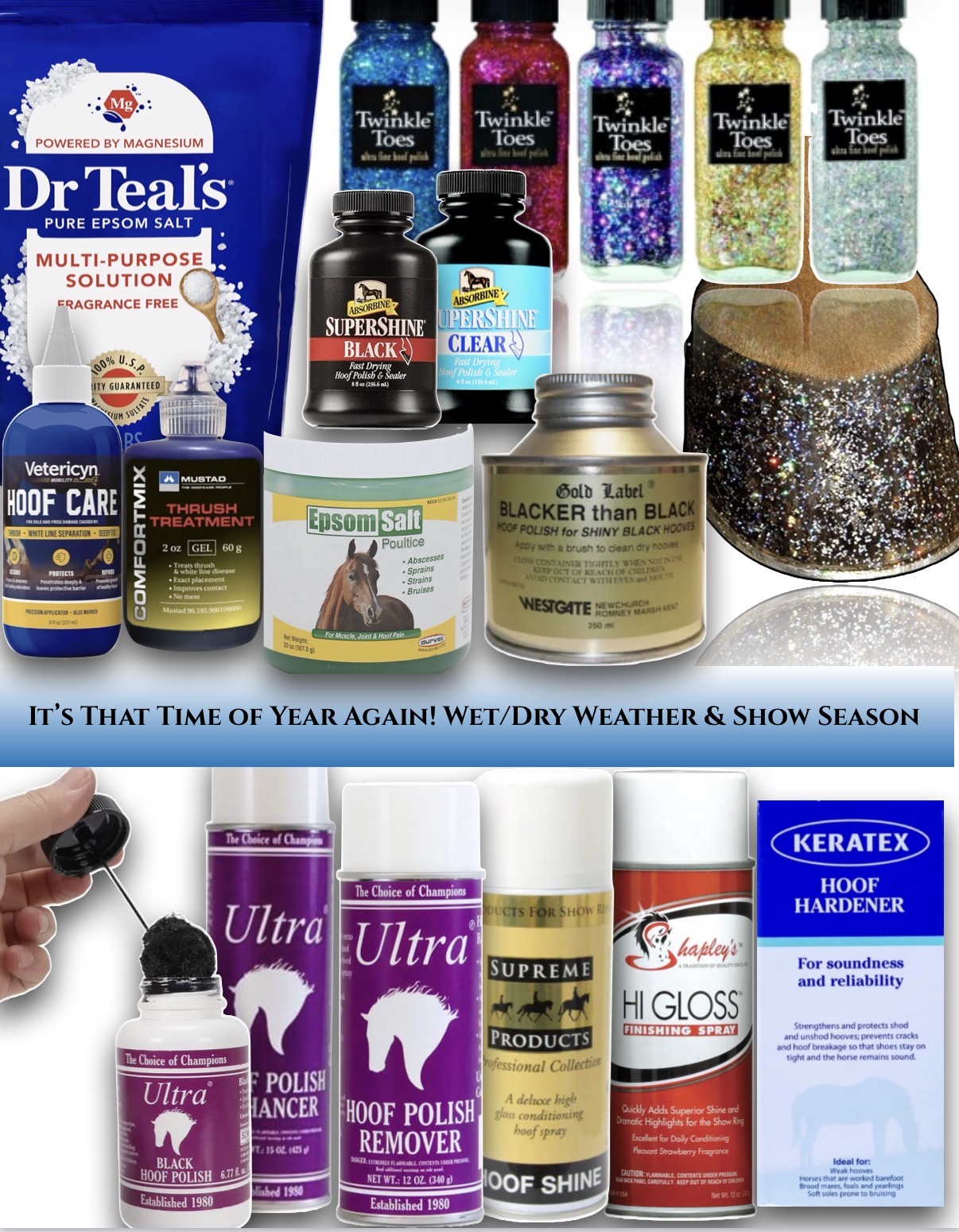
💦Rain Maker Triple Action Hoof Moisturizer
Rain Maker remains one of the most recognizable hoof conditioners available today.
Designed to attract, absorb, and retain moisture, it is intended for horses whose feet are exposed to excessively dry conditions.
Many horse owners utilize products such as Rain Maker during summer months when dry footing, heat, and environmental conditions may contribute to brittle hoof walls.
Potential benefits include:
💧 Improved hoof flexibility
💧Reduced chipping
💧Improved surface appearance
💧 Enhanced moisture retention
Products like Rain Maker are most useful when incorporated into a broader management program.
One important misconception should be addressed: Many horse owners assume hoof moisture comes primarily from external sources. In reality, much of the hoof’s moisture balance originates internally through hydration, circulation, and nutrition.
A dehydrated horse will not suddenly develop healthy feet because a topical conditioner has been applied.
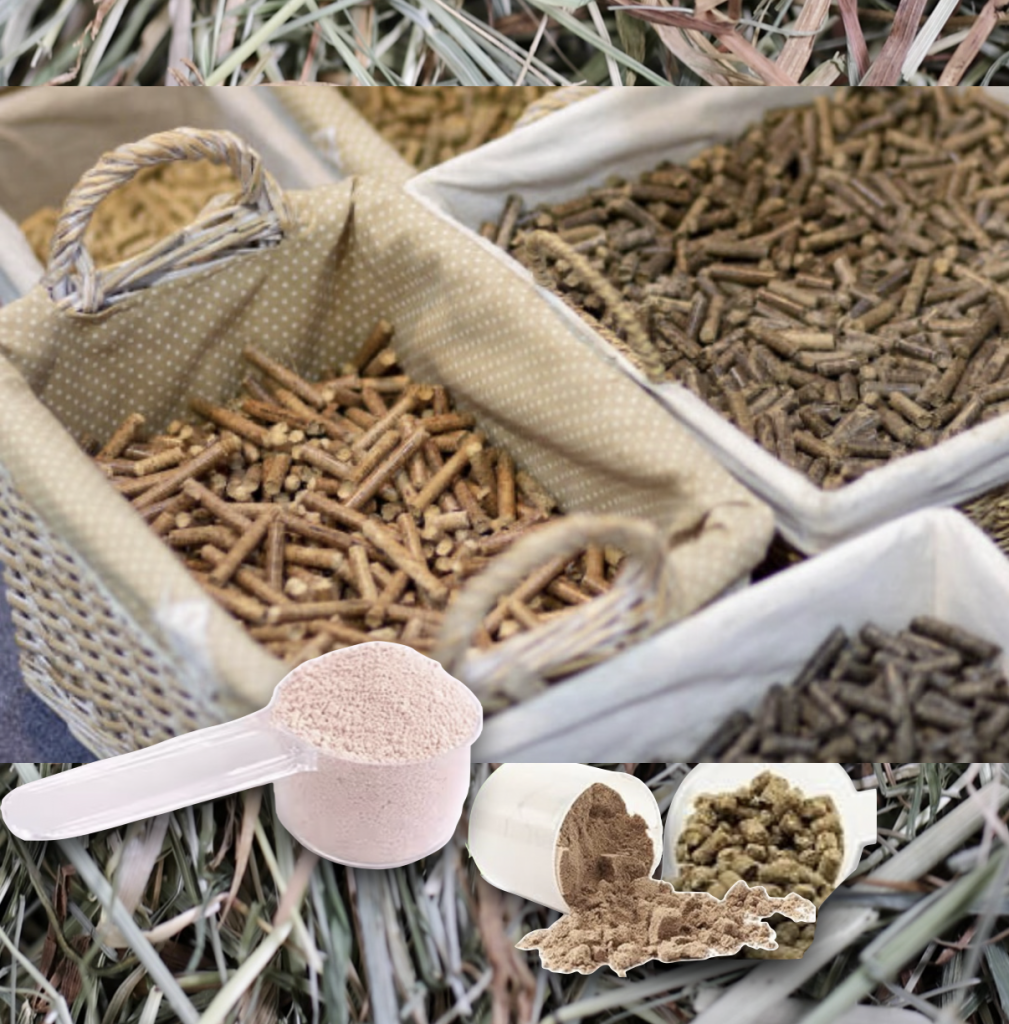
Likewise, a horse suffering from nutritional deficiencies will not grow stronger hoof horn solely through external applications.
Conditioners should therefore be viewed as supportive tools rather than miracle solutions.
HOOF HARDENERS
While some horses struggle with dryness, others battle the opposite problem. Excessively soft feet can create significant challenges for both horse owners and farriers. Soft feet often occur in horses exposed to:
🧲Constant moisture
🧲 Wet pasture conditions
🧲 Muddy environments
🧲Thin soles
🧲 Naturally weak hoof quality
These horses frequently experience bruising, excessive wear, poor nail retention, and increased sensitivity.
KERATEX HOOF HARDENER
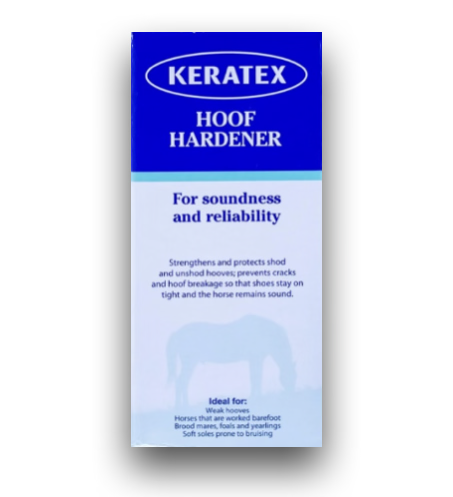
Among hoof hardeners, few products enjoy the professional reputation that Keratex has earned over the years.
Unlike simple surface coatings, Keratex is designed to strengthen hoof horn while maintaining the hoof’s natural moisture exchange capabilities.
Many farriers recommend Keratex for horses experiencing:
🧲Thin soles
🧲Soft hoof walls
🧲Frequent bruising
🧲Excessive wear
🧲Barefoot sensitivity
Dressage horses often train on a variety of surfaces including arenas, turnout areas, and trails. For horses whose feet struggle to adapt to these changing conditions, a quality hardener may provide additional support.
One reason Keratex has remained popular among professionals is its focus on functionality rather than appearance. The goal is not simply to make the hoof look stronger—the goal is to improve durability where needed.
HOOF SEALANTS & ENVIRONMENTAL PROTECTION
Environmental stress remains one of the most significant influences on hoof quality.
Repeated cycles of wet and dry exposure can contribute to cracking, flaring, and loss of structural integrity. This has led to the development of products designed to function as moisture barriers and sealants.
🛡️HOOF SHIELD
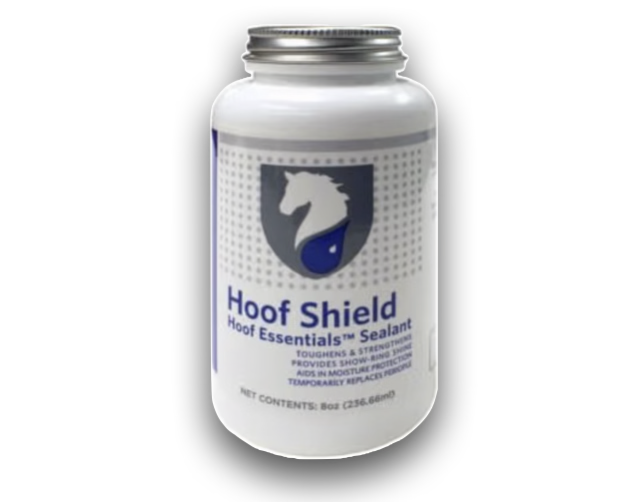
Hoof Shield represents this category of products.
Designed to create a protective barrier, Hoof Shield helps shield the hoof from excessive environmental fluctuations while simultaneously providing cosmetic enhancement. Potential benefits include:
🛡️Moisture regulation
🛡️ Environmental protection
🛡️ Improved appearance
🛡️ Temporary shine
Products in this category are particularly useful during periods of environmental instability when horses encounter rapidly changing conditions. Many farriers view sealants as a useful management tool rather than a long-term solution.
Again, management practices remain the foundation.No sealant can compensate for standing in deep mud every day. No coating can permanently overcome poor hoof quality caused by nutritional deficiencies or neglected trimming schedules.
Instead, these products should be viewed as tools that support good management practices rather than replace them.
THERAPEUTIC HOOF CARE PRODUCTS
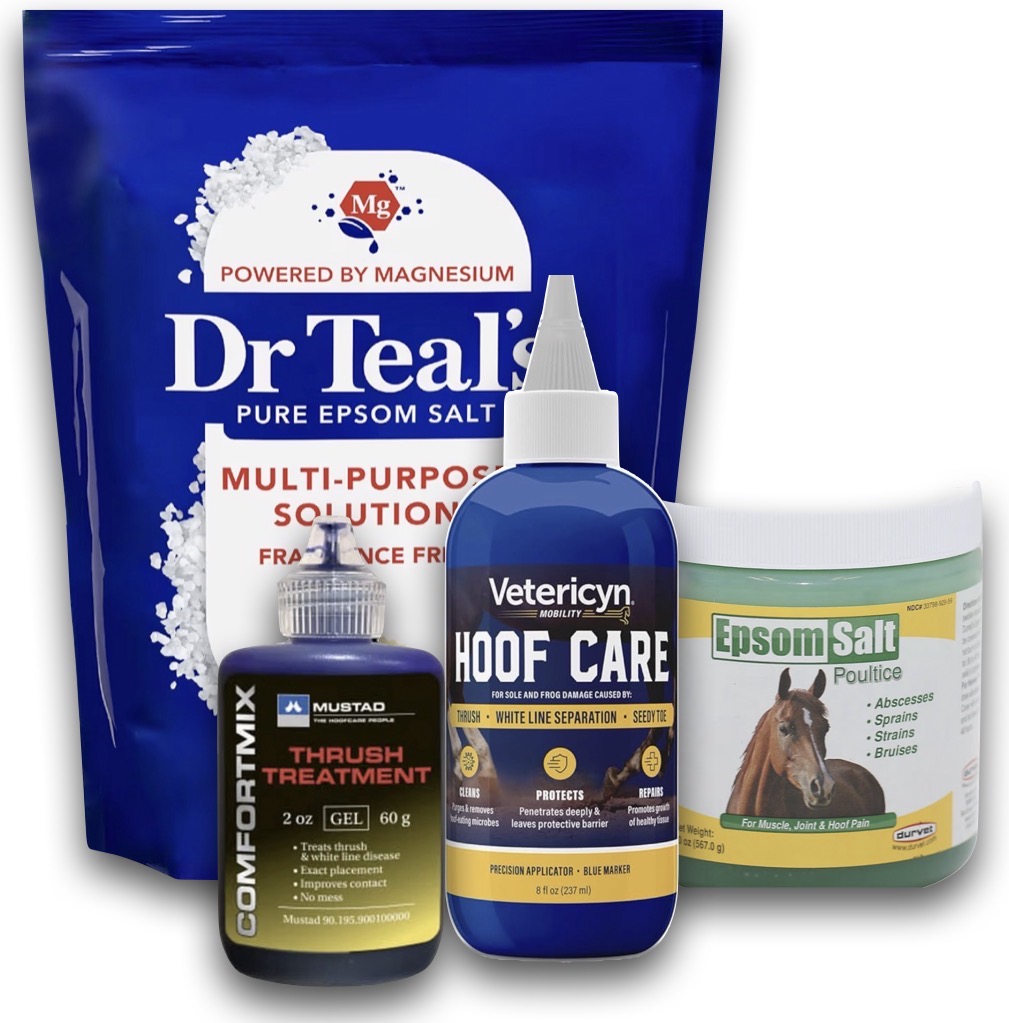
Perhaps the most important category of hoof care products is therapeutic treatments.
Unlike conditioners or cosmetic products, therapeutic products are designed to address specific disease processes. Among the most common hoof diseases encountered today are:
❤️🩹Thrush
❤️🩹White line disease
❤️🩹Seedy toe
❤️🩹Frog infections
❤️🩹Hoof wall separation
These conditions can compromise comfort, performance, and long-term hoof integrity if left untreated. Fortunately, several products have been developed specifically for these purposes.
THRUSH: ONE OF THE MOST COMMON HOOF PROBLEMS
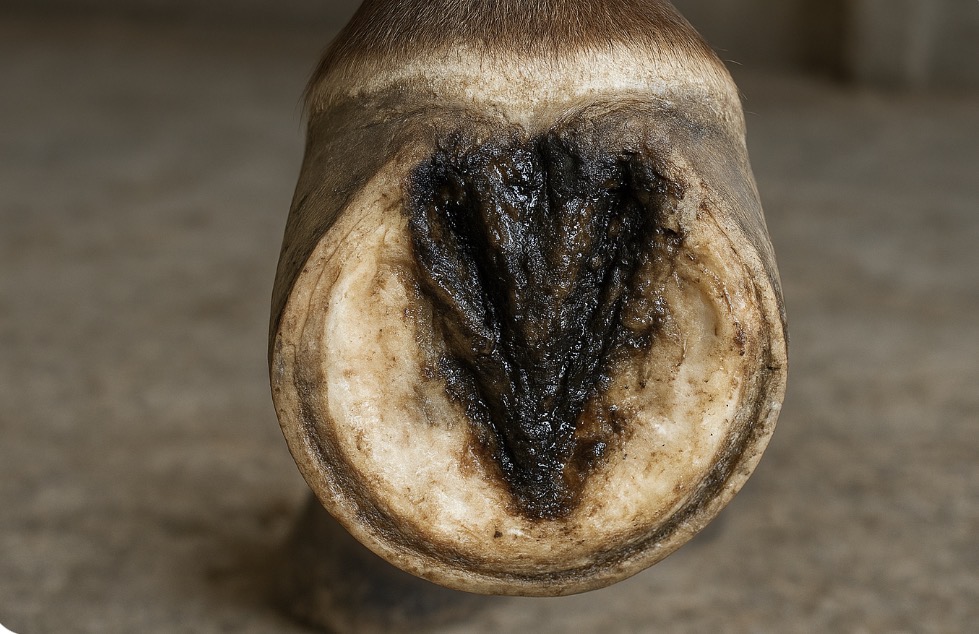
Thrush is a condition nearly every horse owner will encounter at some point. Despite its common occurrence, thrush is often underestimated until it begins affecting the horse’s comfort and performance.
Thrush is typically associated with bacterial and fungal organisms that thrive in moist, oxygen-poor environments. The infection most commonly develops within the collateral grooves of the frog and central sulcus. In mild cases, owners may notice a foul odor and black discharge. In more advanced cases, significant tissue destruction, soreness, and lameness may occur.
While environmental conditions play a major role, thrush is often multifactorial. Poor hoof hygiene, inadequate frog contact, long trimming intervals, deep sulci, and compromised hoof mechanics can all contribute to its development.
Fortunately, several effective products are available to address these challenges:
❇️Kopertox

❇️Kopertox
Few products have been as widely recognized in hoof care as Kopertox.
Containing copper naphthenate, Kopertox has long been used by horse owners, veterinarians, and farriers to combat thrush and other hoof infections. One of its primary advantages is its ability to remain active even in wet conditions.
Many traditional treatments wash away quickly when exposed to moisture. Kopertox’s water-resistant properties help maintain prolonged contact with affected tissues.
Farriers often utilize Kopertox in situations involving:
❇️ Chronic thrush
❇️ Deep central sulcus infections
❇️ Persistent wet environments
❇️ Horses prone to recurring hoof infections
Like any therapeutic product, however, using more is not necessarily better. Aggressive application of any medication should be performed according to the label’s directions and with an understanding of the condition that’s being treated.
The goal is not simply to kill bacteria. The goal is to restore healthy hoof tissue while addressing the underlying causes that allowed the infection to develop
♠️Mustad ComfortMix Thrush Treatment
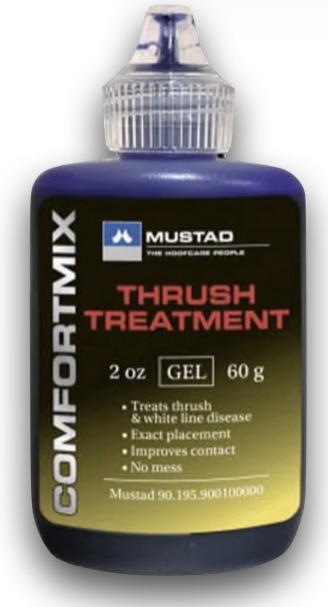
The Mustad ComfortMix Thrush Treatment takes a slightly different approach. Instead of relying on a traditional liquid formula, ComfortMix utilizes a gel-based delivery system.
At first glance this may seem like a minor detail, but from a practical standpoint it can provide significant advantages.
One of the biggest challenges in treating thrush is maintaining contact between the medication and the affected tissue. Liquid products often run out of deep grooves before sufficient contact time is achieved.
The gel consistency of ComfortMix allows the product to remain in place longer, particularly within:
♠️Deep central sulci
♠️Narrow collateral grooves
♠️Areas difficult to access with sprays.
For horse owners, this means more precise application and less wasted product. For farriers, it provides another useful option when dealing with stubborn infections that require targeted treatment.
🦠VETERICYN HOOF CARE
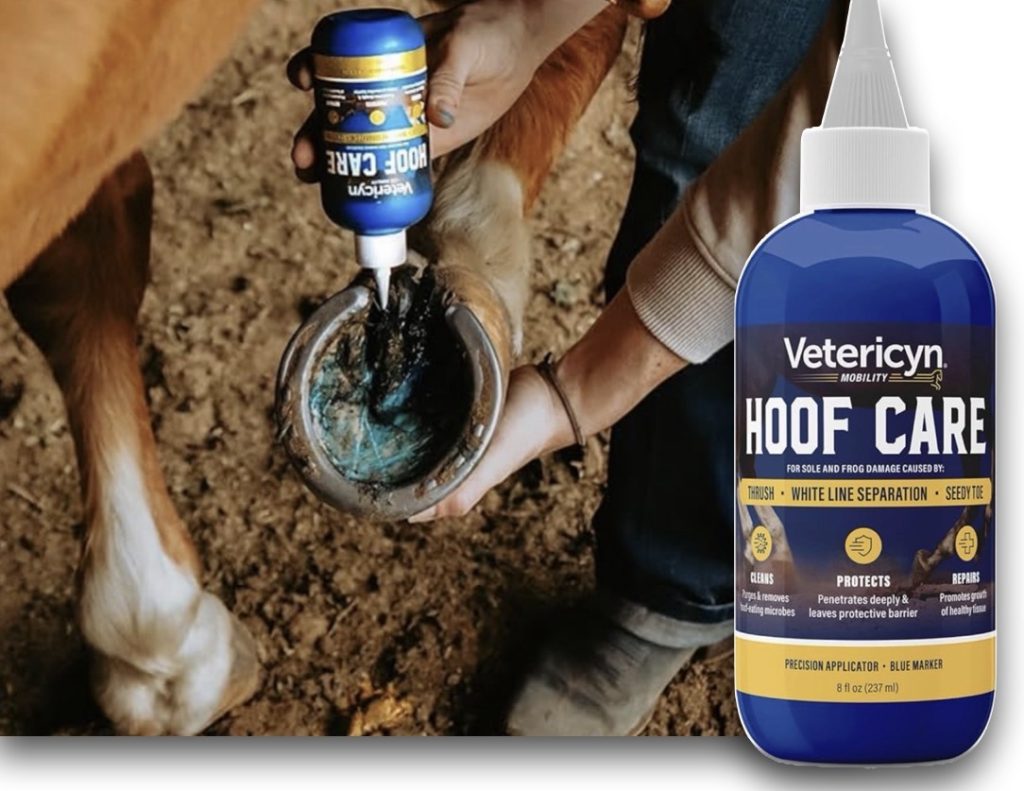
Vetericyn has become increasingly popular throughout the equine industry because it focuses on supporting the healing environment rather than relying solely on aggressive antimicrobial action.
Vetericyn Hoof Care is commonly used for:
🦠Thrush
🦠White line separation
🦠Seedy toe
🦠Sole defects
🦠Hoof wall damage
One of the product’s greatest strengths is its versatility. Many veterinarians appreciate products that can be applied repeatedly without causing significant irritation to healthy tissue. This makes Vetericyn particularly useful during longer-term treatment protocols.
The product is often incorporated into broader hoof rehabilitation programs where the goal is not only to eliminate infection but also to encourage healthy tissue regeneration.
WHITE LINE DISEASE & SEEDY TOE

While thrush often receives the most attention, white line disease can be equally problematic.
White line disease occurs when microorganisms invade the inner hoof wall, leading to separation and degradation of structural tissues. In its early stages, white line disease may be difficult to detect. As the condition progresses, however, it can lead to:
🆘 Hoof wall separation
🆘Structural instability
🆘Abscess formation
🆘Mechanical failure of the hoof capsule
Products such as Vetericyn and various antimicrobial treatments may play a role in treatment, but successful management almost always requires proper farriery.
The diseased tissue must often be removed or debrided before topical treatments can effectively reach affected areas.
This highlights an important principle repeated throughout hoof care: Products rarely replace professional intervention.They support it.

Long before modern pharmaceuticals existed, horsemen relied on poultices to manage hoof problems.
Despite advances in veterinary medicine, poultices continue to play an important role today.
🧂DURVET EPSOM SALT POULTICE
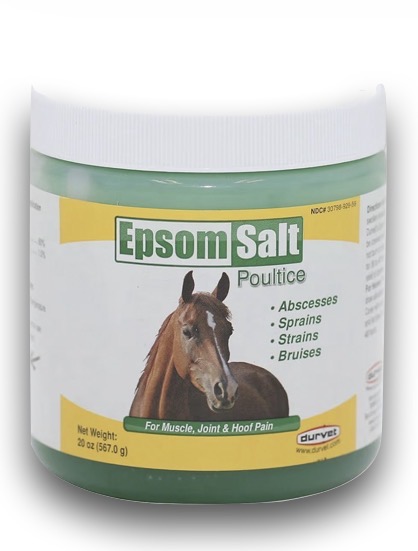
Epsom salt has been used in equine medicine for generations.
Traditionally, horse owners would soak hooves in buckets containing warm water and Epsom salt. While effective, this process can be time-consuming and difficult to manage.
Products such as Durvet Epsom Salt Poultice provide a more convenient alternative. The gel formulation allows direct application to affected areas while delivering many of the same benefits associated with traditional soaking. Common uses include:
🧲 Hoof abscesses
🧲 Bruised soles
🧲 Inflammation
🧲 Soft tissue injuries
🧲 Strains and sprains
Farriers frequently encounter abscesses that create significant discomfort for horses. Once drainage pathways are established, Epsom salt products can help encourage continued drainage and support recovery.
As with any treatment, proper diagnosis remains critical.
🐴Not every sore foot is an abscess.
🐴Not every abscess requires the same management strategy.
🐴Understanding the underlying problem remains far more important than selecting a particular product.
COSMETIC & SHOW-RING PRODUCTS PRESENTATION
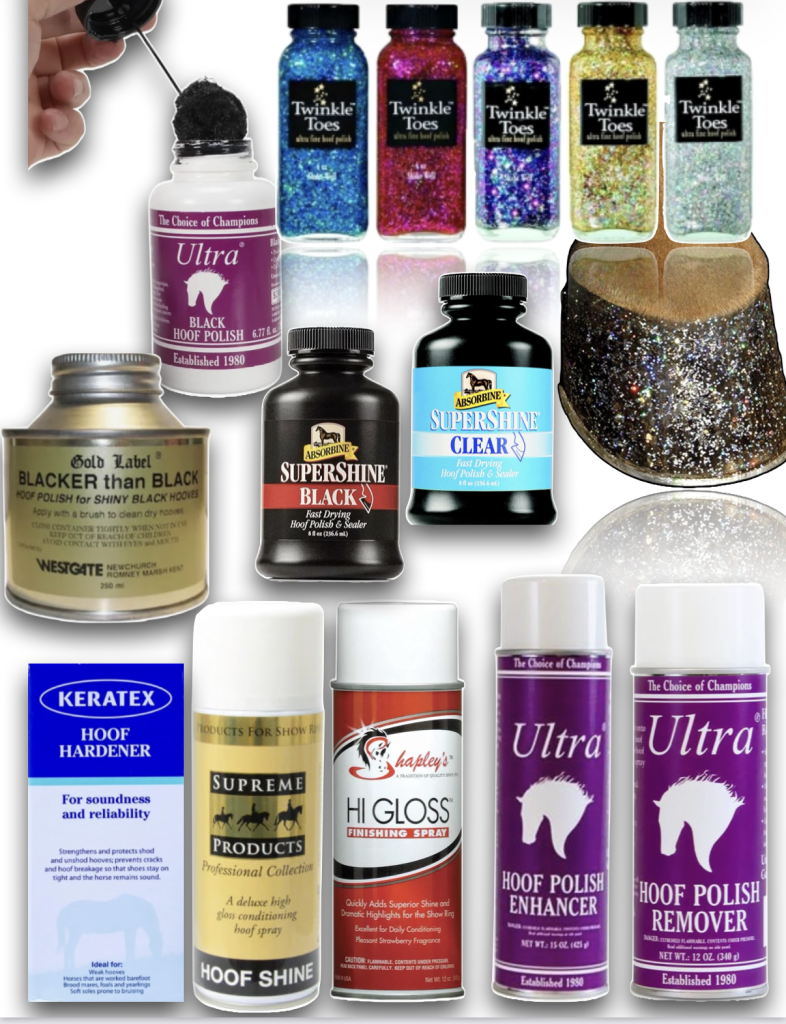
Not every hoof product is designed to address disease or structural challenges. Some products exist for a very different reason.
Presentation
In disciplines such as dressage, turnout remains an important component of overall horsemanship. Judges may not score hoof polish directly, but first impressions matter.
A well-groomed horse reflects attention to detail, professionalism, and pride in presentation. It also is done to honour the judge. This is where cosmetic hoof products enter the picture.
💎SHAPELY’S HI GLOSS SPRAY
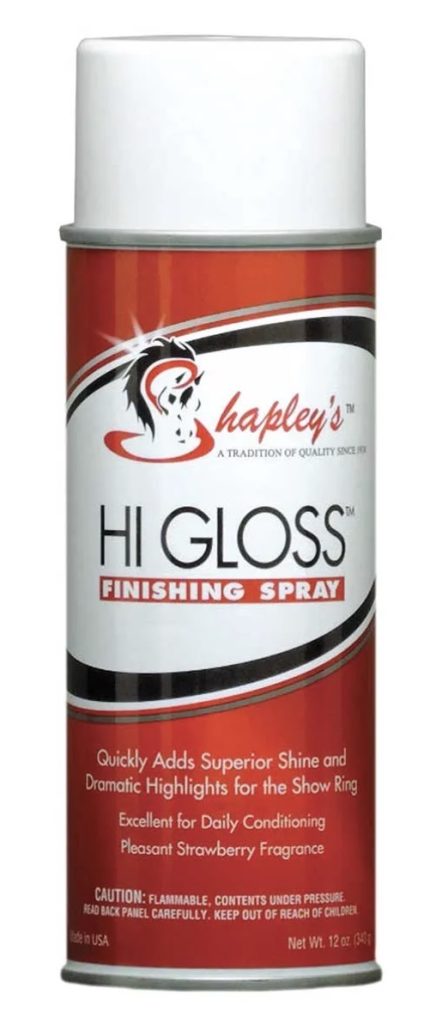
Shapley’s Hi Gloss Finishing Spray is designed to create a brilliant shine while enhancing the overall appearance of the horse.
Commonly used shortly before entering the ring, the product provides a polished finish that helps highlight conditioning and grooming efforts.
Products such as Hi Gloss are particularly popular among competitors seeking a clean, professional appearance without extensive preparation.
💎SUPREME HOOF SHINE
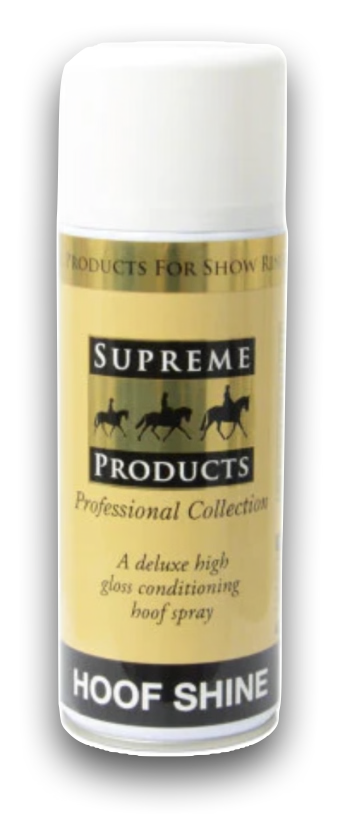
Supreme Hoof Shine serves a similar purpose while focusing specifically on the hoof itself.
Designed as a conditioning hoof spray, it provides an attractive gloss while helping create a finished appearance. For many exhibitors, these products represent the final step in ring preparation.
After months of training, conditioning, veterinary care, and farrier maintenance, a polished appearance helps complete the presentation.
💎ULTRA HOOF POLISH ENHANCER

Ultra Hoof Polish Enhancer offers another option for competitors seeking a refined look.
The appeal of spray-on products often lies in convenience. Traditional hoof polishes may require brushes, drying time, and careful application. Spray products provide faster application while still creating an attractive finish.
For busy competitors preparing multiple horses, convenience becomes an important consideration.
BLACK HOOF POLISHES
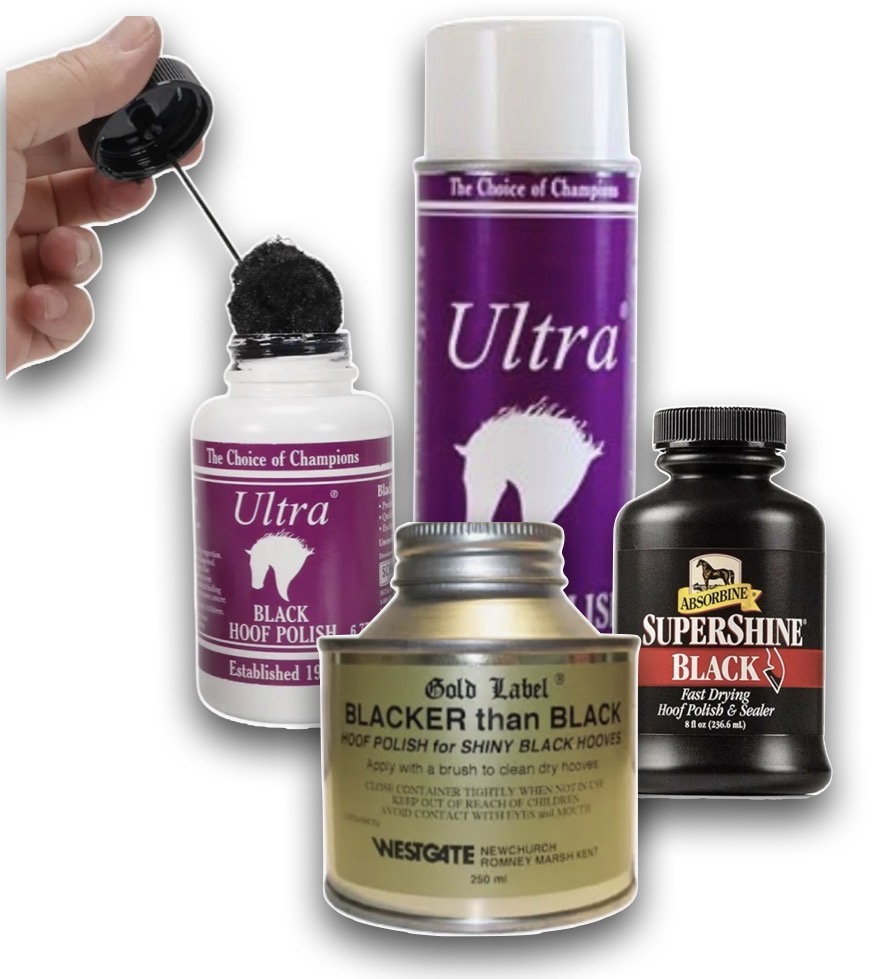
Dark hoofs have traditionally been associated with elegance and refinement in many show-ring settings. This has led to the development of numerous black hoof polish products.
🖤Ultra Black Hoof Polish is designed to create a deep, rich finish on dark hooves.
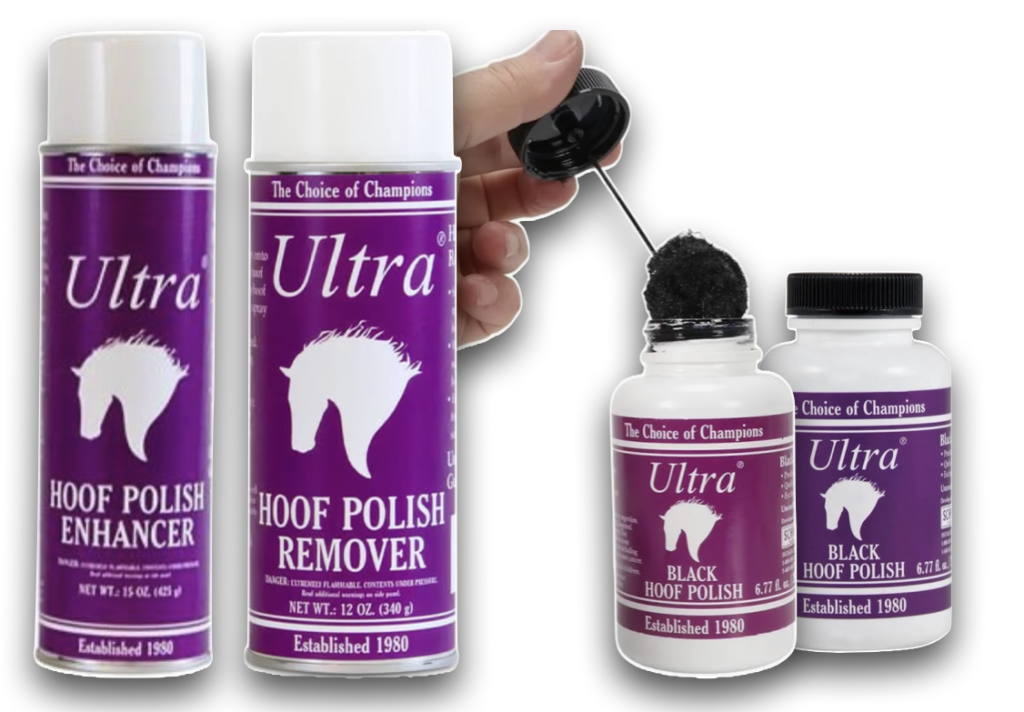
The product provides uniform coloration and enhanced visual appeal, particularly under show-ring lighting.
🖤Absorbine Supershine Black
Among black hoof polishes, few products enjoy the name recognition of Absorbine Supershine Black.
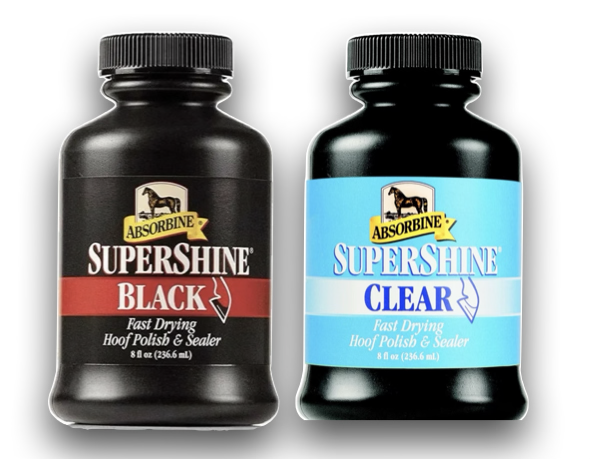
Known for its glossy finish and durability, Supershine Black has become a staple among many exhibitors.
The product’s popularity stems from its ability to create dramatic visual enhancement while maintaining a relatively straightforward application process.
🖤GOLD LABEL BLACKER THAN BLACK
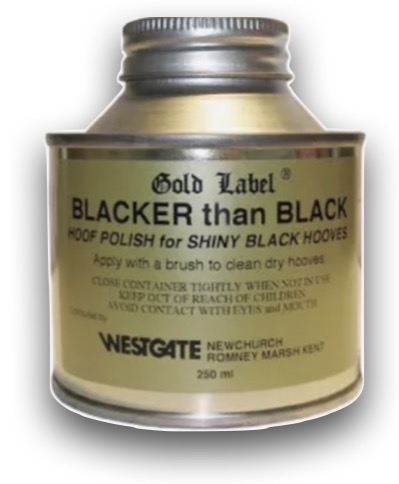
As the name suggests, Gold Label Blacker Than Black is designed to maximize depth and richness of color.
For exhibitors competing in disciplines where turnout receives considerable attention, products such as this provide another option for achieving a polished final presentation.
DECORATIVE HOOF PRODUCTS
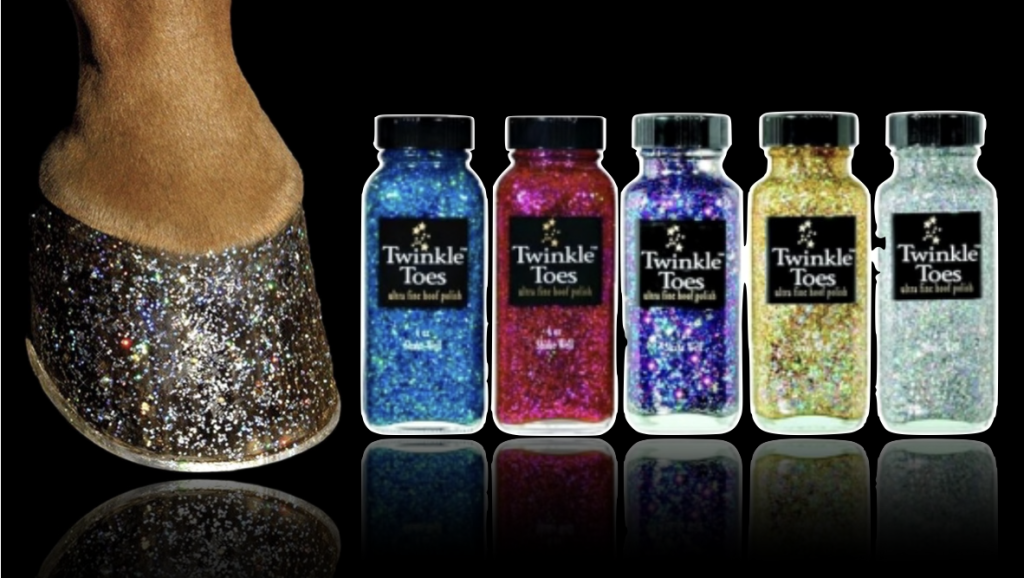
Perhaps the most unique product discussed in this article is one that serves no therapeutic purpose whatsoever—instead, it celebrates creativity.
🦄TWINKLE TOES HOOF GLITTER
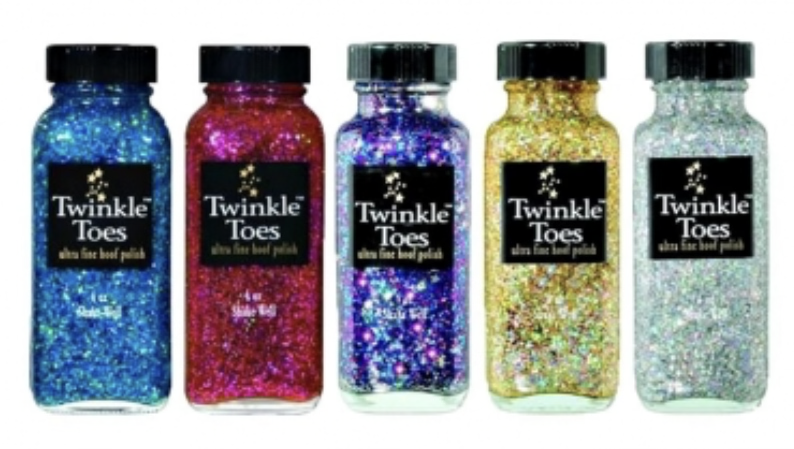
Twinkle Toes Hoof Glitter represents the lighter side of the equine industry. Designed to add sparkle and color to the hoof, these products are commonly used during:
🦄 Demonstrations
🦄 Exhibitions
🦄 Breed shows
🦄 Parades
🦄 Holiday events
🦄 Special presentations
While traditional dressage competition generally emphasizes classical presentation, decorative products have found popularity throughout many segments of the horse industry. Their existence serves as a reminder that horses are not only athletes but also cherished partners and ambassadors.
⚠️THE MOST COMMON MISTAKE HORSE OWNERS MAKE ⚠️
Perhaps the greatest mistake horse owners make when purchasing hoof products is attempting to use them as substitutes for management.
🧲 No hoof hardener can compensate for neglected trims.
🧲 No conditioner can overcome poor nutrition.
🧲 No thrush treatment can permanently solve unsanitary living conditions.
🧲 No polish can hide poor hoof quality.
🏆THE BEST HOOF CARE PROGRAMS BEGIN WITH FUNDAMENTALS:

🧲 Consistent farrier care
🧲 Proper nutrition
🧲 Clean environments
🧲 Appropriate exercise
🧲 Veterinary oversight when necessary
🧲 Products should support these efforts rather than replace them.
🧐A FARRIER’S PERSPECTIVE

As farriers, we often see both extremes…
Some horse owners purchase every hoof product available and apply them religiously despite having healthy feet.
Others ignore obvious hoof problems until significant damage has occurred.
The ideal approach lies somewhere in the middle.
Each horse should be evaluated individually. Some horses benefit from hardeners; others require moisturizers; Some need therapeutic intervention; and others require nothing more than a balanced trim and proper management.
The goal is not to find the perfect product.
The goal is to understand the horse standing in front of you.
🏁 FINAL THOUGHT 🏁
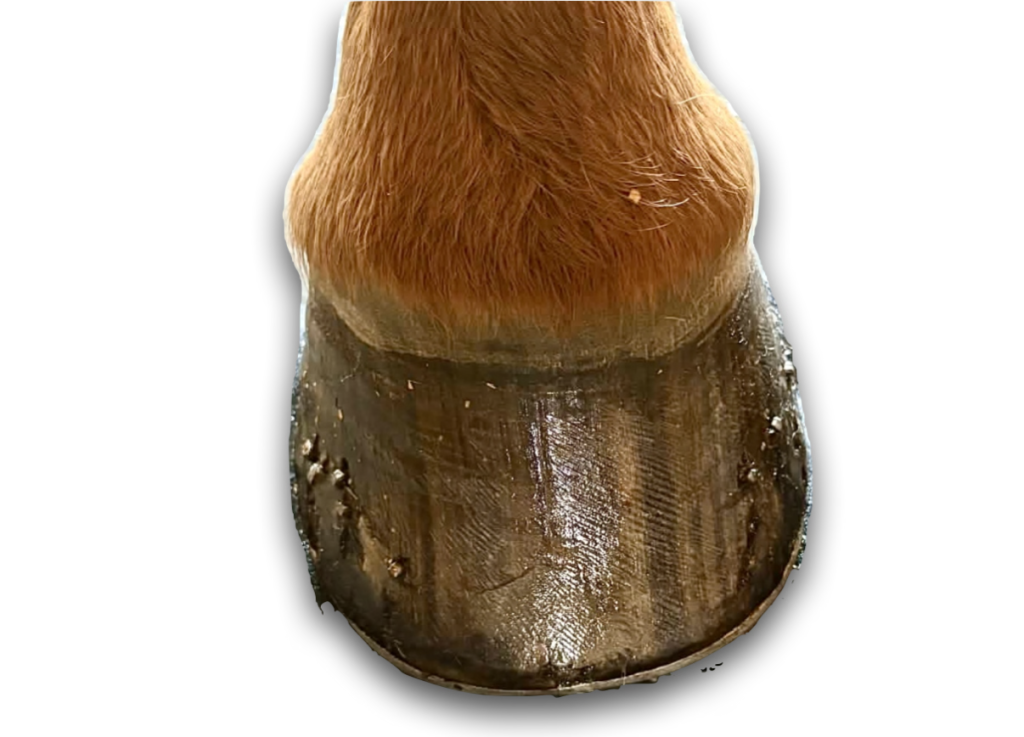
The modern equine industry offers an impressive array of hoof care products designed to address nearly every challenge horse owners may encounter. From therapeutic treatments such as Kopertox, ComfortMix, and Vetericyn, to conditioners like Rain Maker, hardeners such as Keratex, sealants like Hoof Shield, and cosmetic products ranging from Supershine Black to Twinkle Toes Glitter—each product serves a unique purpose.
The key to success is understanding those purposes and applying products appropriately.
Healthy hooves are not built in a bottle.They are built through proper nutrition, skilled farriery, thoughtful management, veterinary support, and consistent attention to detail.
When these foundations are in place, the products discussed throughout this article can become valuable tools that help horses remain healthy, comfortable, durable, and prepared to perform at their best.
Whether your goal is long-term soundness, therapeutic rehabilitation, or simply presenting your horse beautifully in the dressage arena, understanding modern hoof care products allows you to make informed decisions that benefit both horse and rider.
After all, every movement begins with the foot, and every great performance depends upon the foundation beneath it.
🔬A Message From DressurSPORT: Jeff & Jesse worked very hard to pick the widest-used, tested, & vet/farrier/owner approved products on the market to write this article. Every horse owner, farrier, horse professional, as well as every discipline & sub-categories within those disciplines have their “favourite” or “best” product, we respect that. We chose products that both he & Us a DressurSPORT felt were OUR favourites/bests when it came to all but polishes—neither of us use them, as they are of no real benefit of the horse, those products we just listed the most commonly and safely used in the USA.
I know that when I rode for years in Germany and the UK, that the products there are completely different, however if the ingredients are checked, there are most products are pretty much the same.
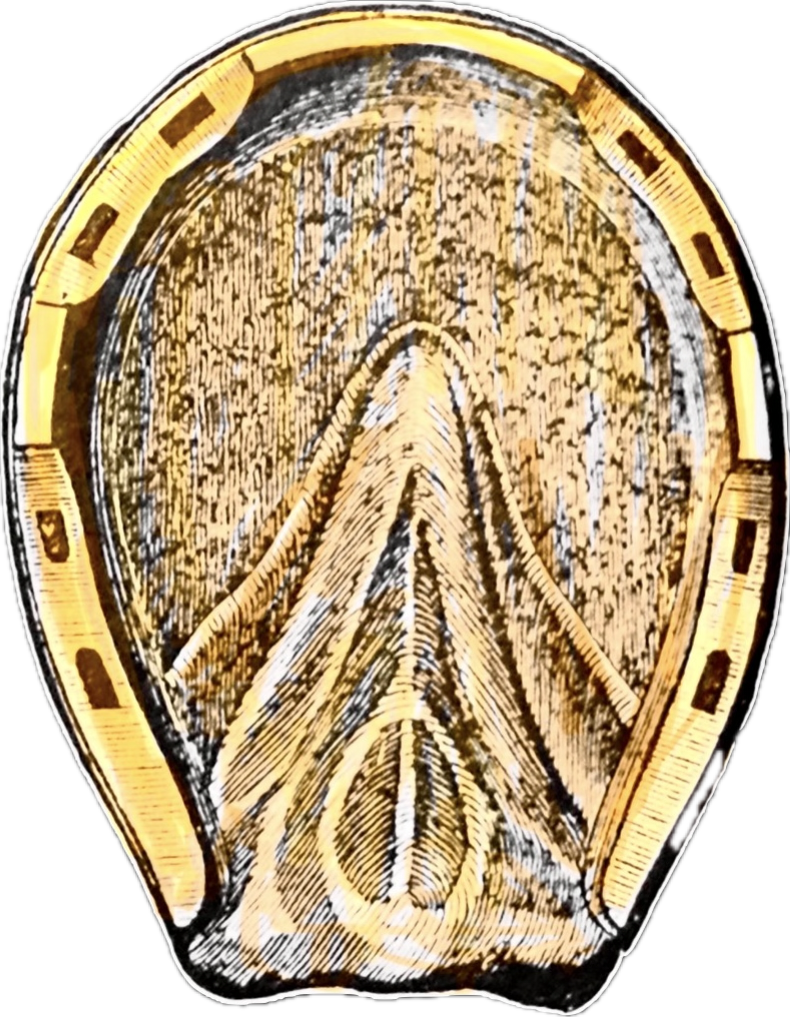
✔️Also we wanted to mention that there are products we do not advise using, but do not feel comfortable basically asking for a fight with anyone or any company, so we chose not to discuss them. —DS
Please Feel Free To Ask Questions, Leave Comments, Or Start a Discussion In the Forum further below.
SOCIAL MEDIA: