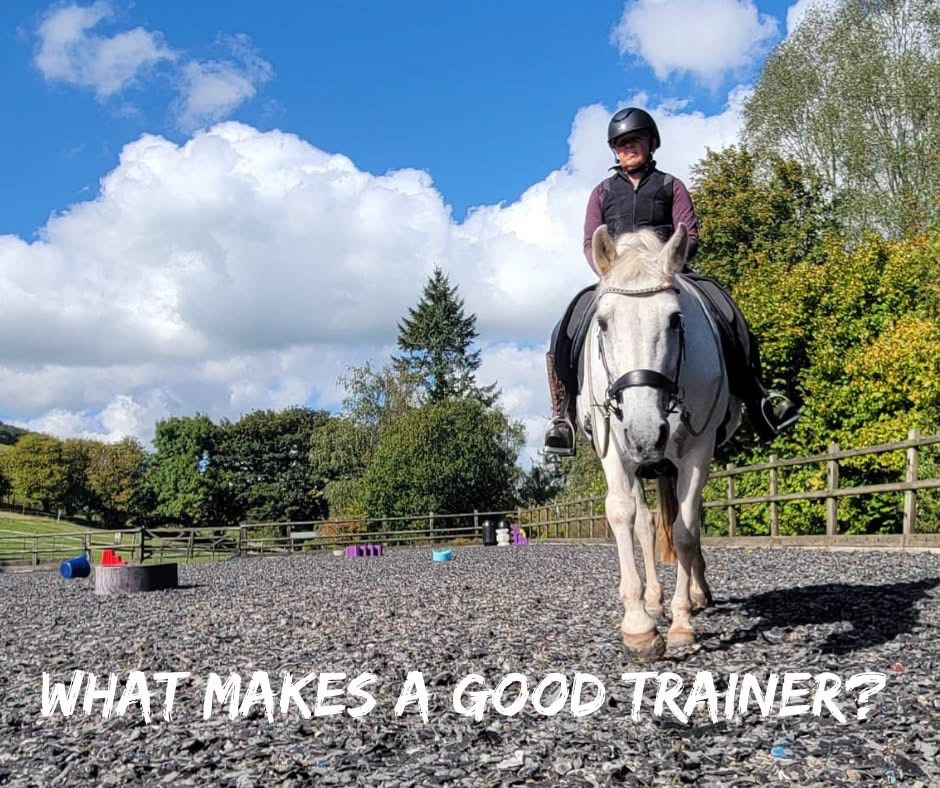
As riders, we’re all searching for better ways to communicate with our horses.
We want to understand them more clearly, and for them to understand us. After all, the best partnerships are built on mutual understanding.
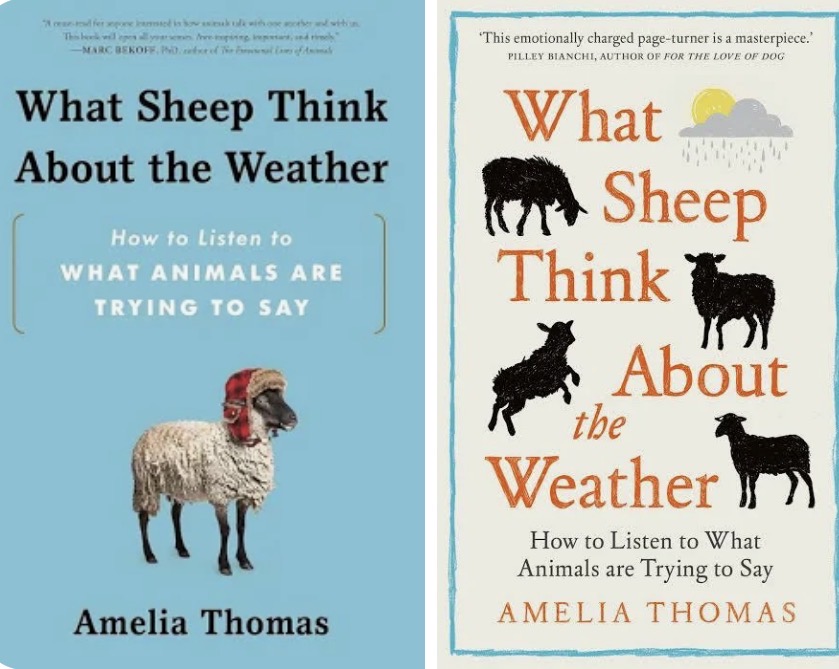
I’ve been reading “What Sheep Think About the Weather” by Amelia Thomas, and it’s a fascinating, incredibly well-researched book. It explores how animals learn and communicate, covering everything from fruit flies to great apes.
One of the themes running through the book is our human desire to have animals communicate with us—often on our terms. Some of the experiments carried out with chimpanzees and apes over the years are quite uncomfortable to read about and, in my opinion, should never have happened.
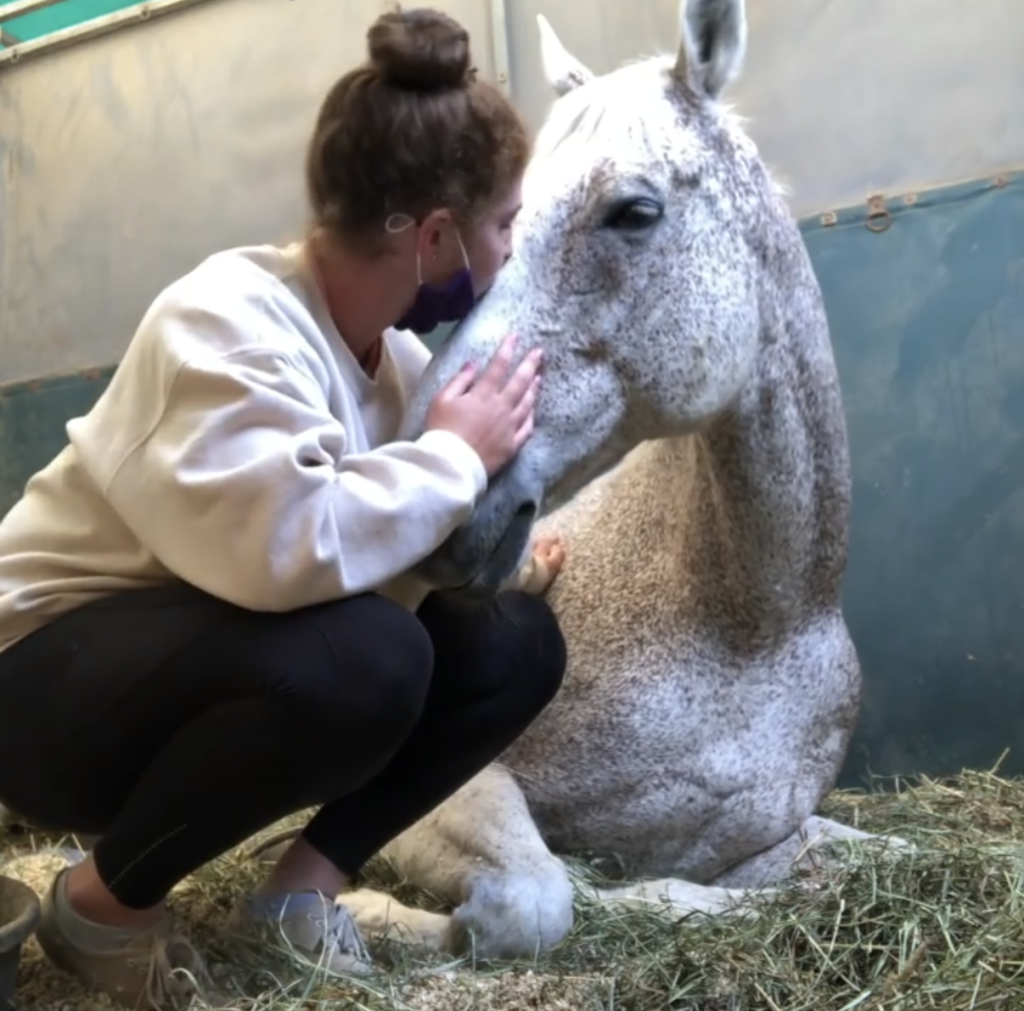
I’ve now reached the section on horses, and it has really got me thinking…One thing that’s become increasingly clear is that animals enjoy learning. I certainly see that with my own horse, Fiddle. When she works something out, she’ll often give a little whinny. Sometimes I think she’s saying, “I’ve got it!” Other times it sounds more like, “That feels good!”
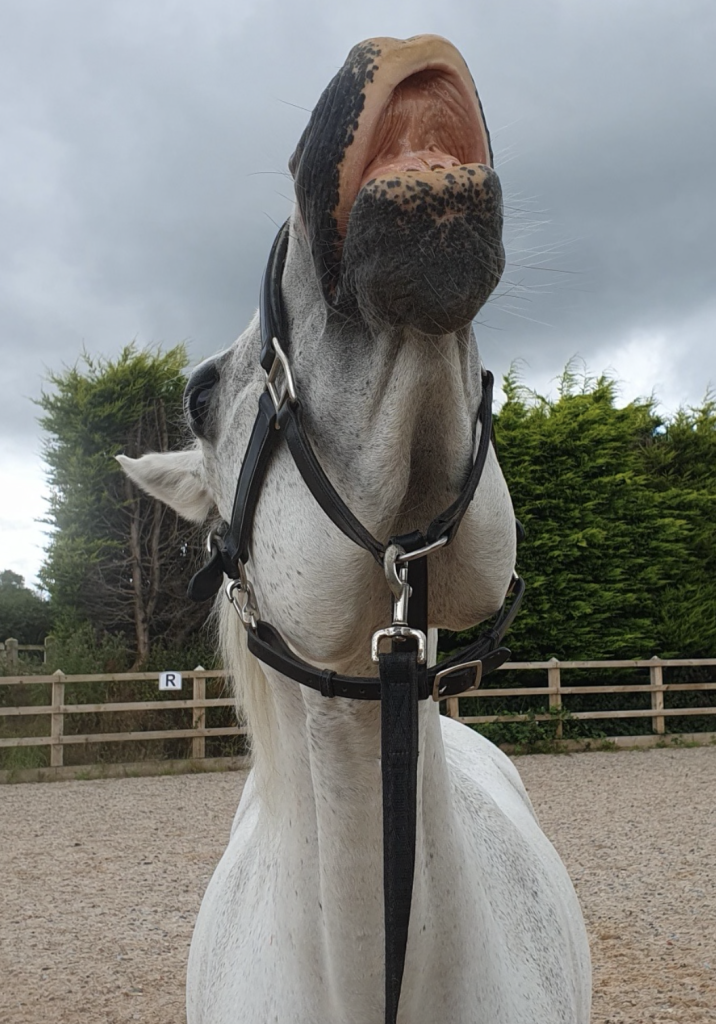
Learning is part of survival. It’s how animals adapt, solve problems and stay safe.
There’s that saying: If you really want to know how much you understand something, try teaching it.
Training horses is no different.
Nothing exposes the gaps in your understanding more quickly than the horse standing in front of you. They respond in a way you weren’t expecting, and suddenly you’re left scratching your head thinking, “Well… now what?“
I think that’s one of the reasons I love teaching and training so much.
There isn’t one answer that works for every horse. The challenge is discovering why something happened and then finding an approach that helps that horse understand.

It’s a bit like being a detective—and I love that process.
Thankfully, horse training has evolved enormously over the years.
We’ve moved away from the old “show him who’s boss” mentality, the “don’t let him get away with it” attitude, or my personal least favourite: “If he won’t go, insist… only louder.“
Instead, we’re beginning to appreciate that understanding produces far better results than force ever could.
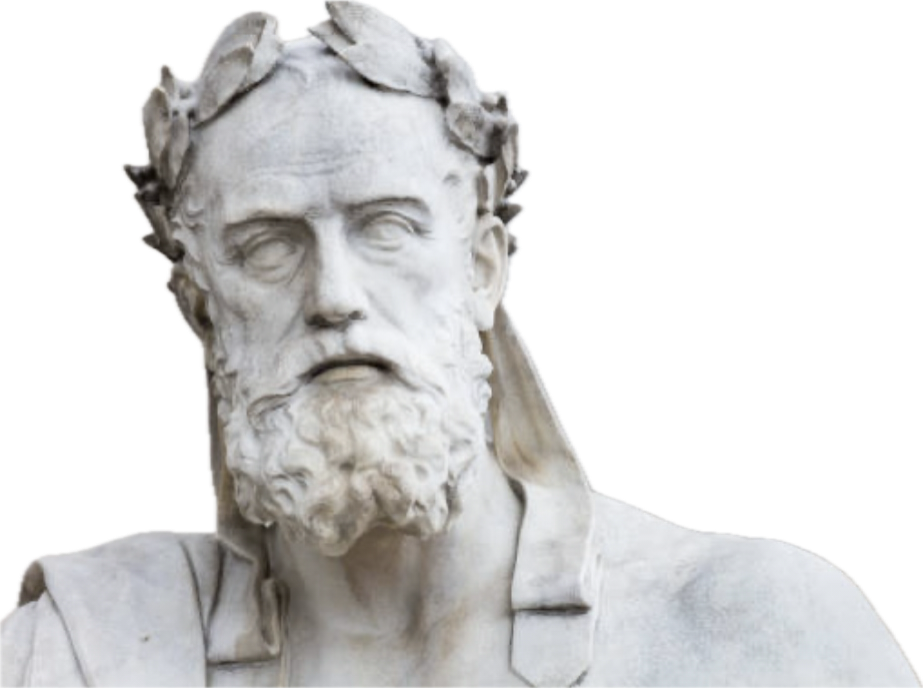
Over 2,000 years ago, Xenophon wrote: “What a horse does under compulsion is done without understanding, and there is no beauty in it, any more than if one should whip and spur a dancer.“
Those words ring true today!
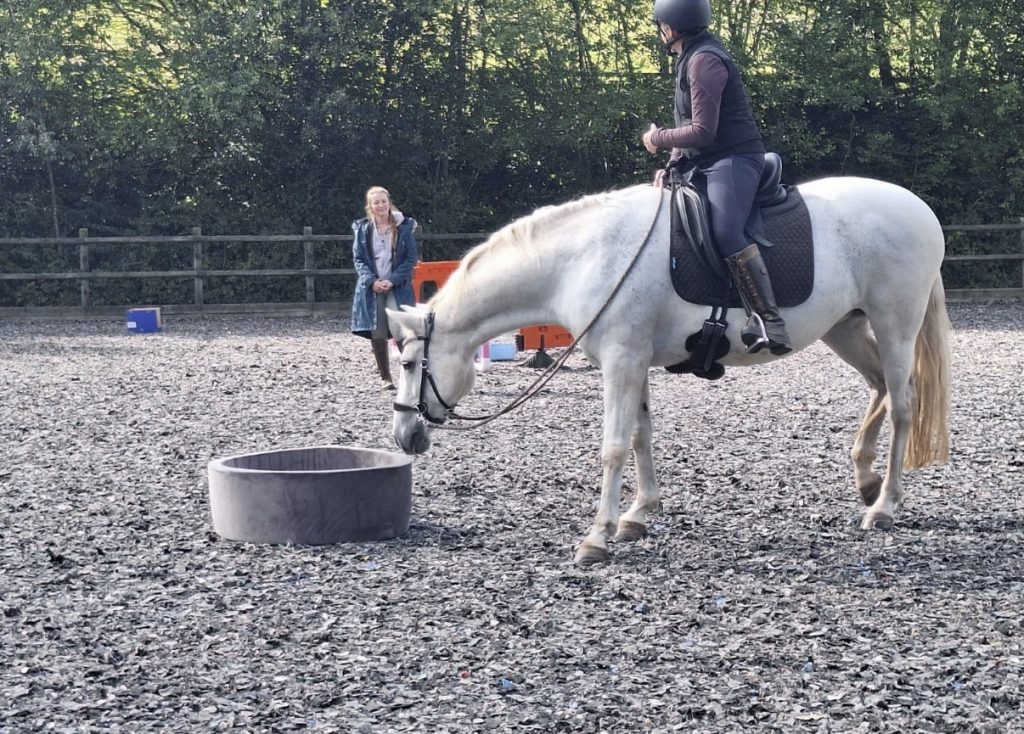
Modern training methods are based largely on operant conditioning. In simple terms, is active learning, the horse offers a response to a stimulus and receives a consequence—perhaps the release of pressure or a scratch on the withers. The goal is to make the desired behaviour easy to understand and worthwhile to repeat.
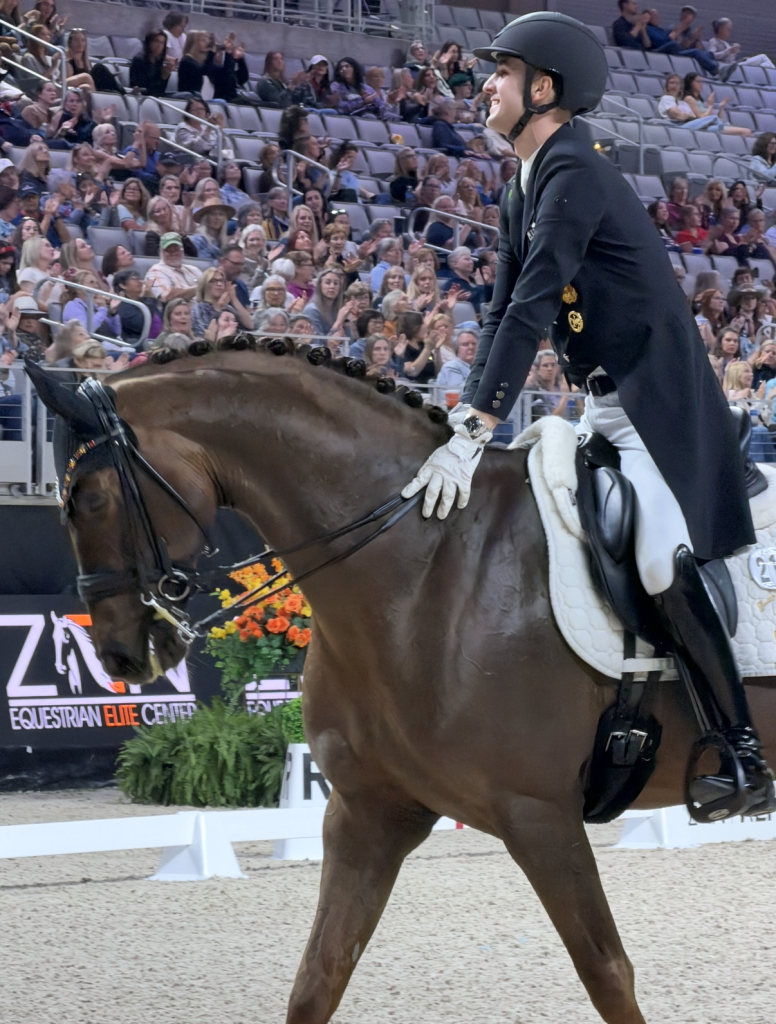
Alongside this is classical conditioning or inactive learning where the horse learns to associate one event with another. Clicker training is a great example. The click itself doesn’t reward the horse—it predicts that a reward is coming, and over time the horse learns what that sound means.
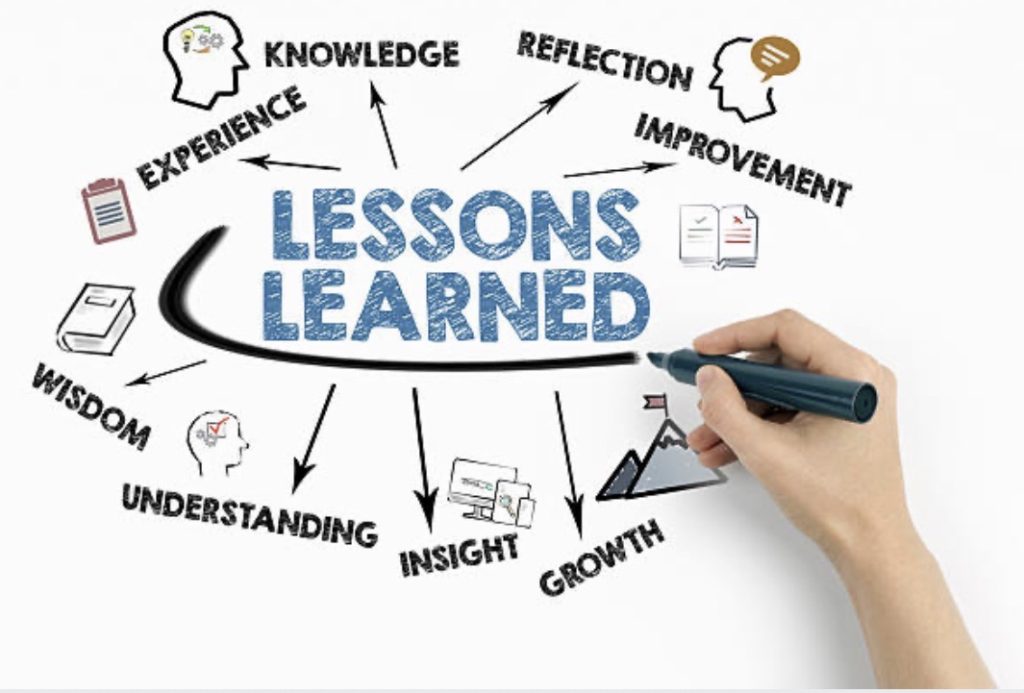
But is understanding learning theory enough to make us good trainers?
There was one sentence in the book that I absolutely love…
“Good training is like being a solid, good friend.”

Think about what makes a good friend:
🫂A good friend listens.
🫂They don’t jump to
conclusions or make
assumptions.
🫂They don’t judge or pretend
to be something they’re not.
🫂They look for opportunities to
enjoy each other’s company.
🫂And when disagreements
inevitably arise, they try to
understand rather than
simply impose their own will.
Surely that’s exactly the sort of trainer we should strive to be.
Because great training isn’t about winning an argument or proving who’s in charge. It’s about building trust, creating understanding and helping another being learn with confidence.
I’ll leave you with one final quote from the book that perfectly sums it all up: “Training isn’t what you want to happen; it’s what you are causing to happen.“

That, for me, is the real measure of a good trainer.
Enjoy everything you do.
—❤️—Emma, Lady and Fiddle xxx
PLEASE LEAVE ANY COMMENTS OR QUESTIONS ABOUT THIS ARTICLE IN THE FORUM BELOW.
SOCIAL MEDIA:


