
If you’re a rider, you have probably heard those words hundreds of times.
“Use your core.”
“Your core isn’t strong enough.”
“Engage your core.”
But here is the question nobody seems to answer: What does that actually mean?
Ask a group of professionals what the core is and you will probably get an entire range of different answers and here lies the the problem.
We talk about the core as though it’s one particular muscle that we can simply switch on, but it isn’t.
Your core is a system of muscles and structures working together to organise and support your body.
SO, WHERE EXACTLY IS YOUR CORE?
The most familiar definition focuses on the abdominal muscles, but that is a very limited view of how the body works.
A more holistic model comes from Tom Myers and his concept of the Deep Front Line.
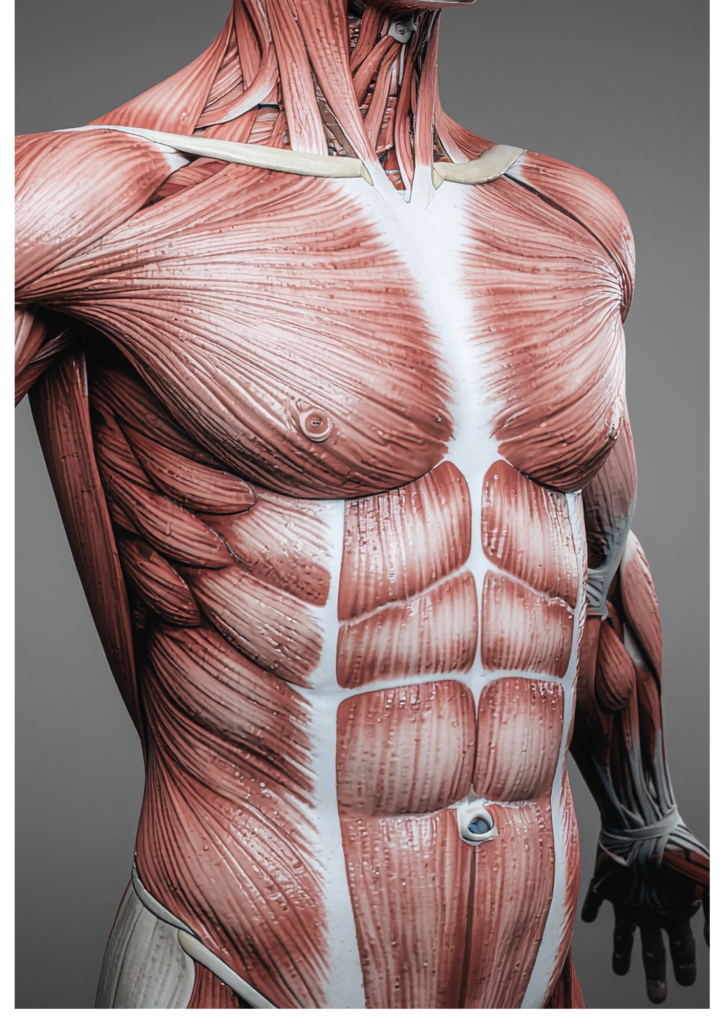
The Deep Front Line describes a connected pathway running from the arches of your feet, through the inner thighs and psoas, through the abdominal area and along the front of the spine, eventually continuing up towards the jaw, roof of the mouth and tongue.
I find this a much more useful way of thinking about the rider’s core.
Rather than imagining your core as a single muscle in your abdomen, imagine it as your central axis—the place from which movement travels outwards and to which it returns.
And suddenly, “engage your core” becomes a much more interesting question.
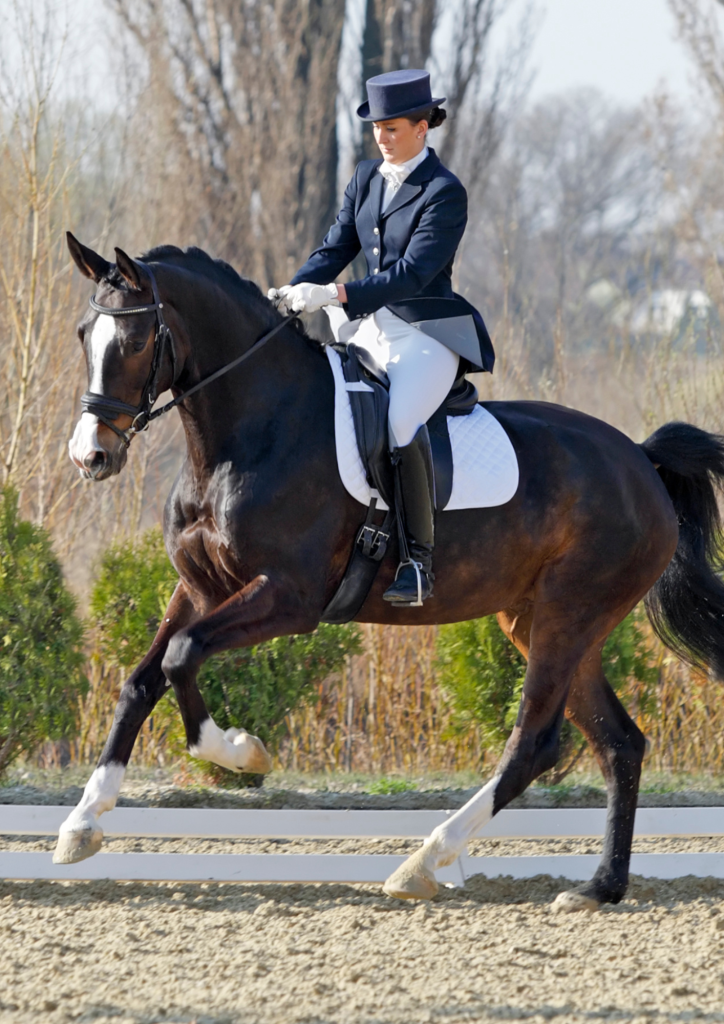
WHAT ARE YOU ACTUALLY SUPPOSED TO DO?
When someone tells you to engage your core, should you:
Pull your tummy in?
Brace your stomach?
Hold your breath?
Sit up straighter?
Probably not.
At least, not if our aim is to create the kind of stability we need for riding. Because riding is not about creating a body that is rigid and immovable. It is about creating a body that can support movement while remaining free to move.
And this is where I like to think about trees.
BE MORE LIKE A TREE
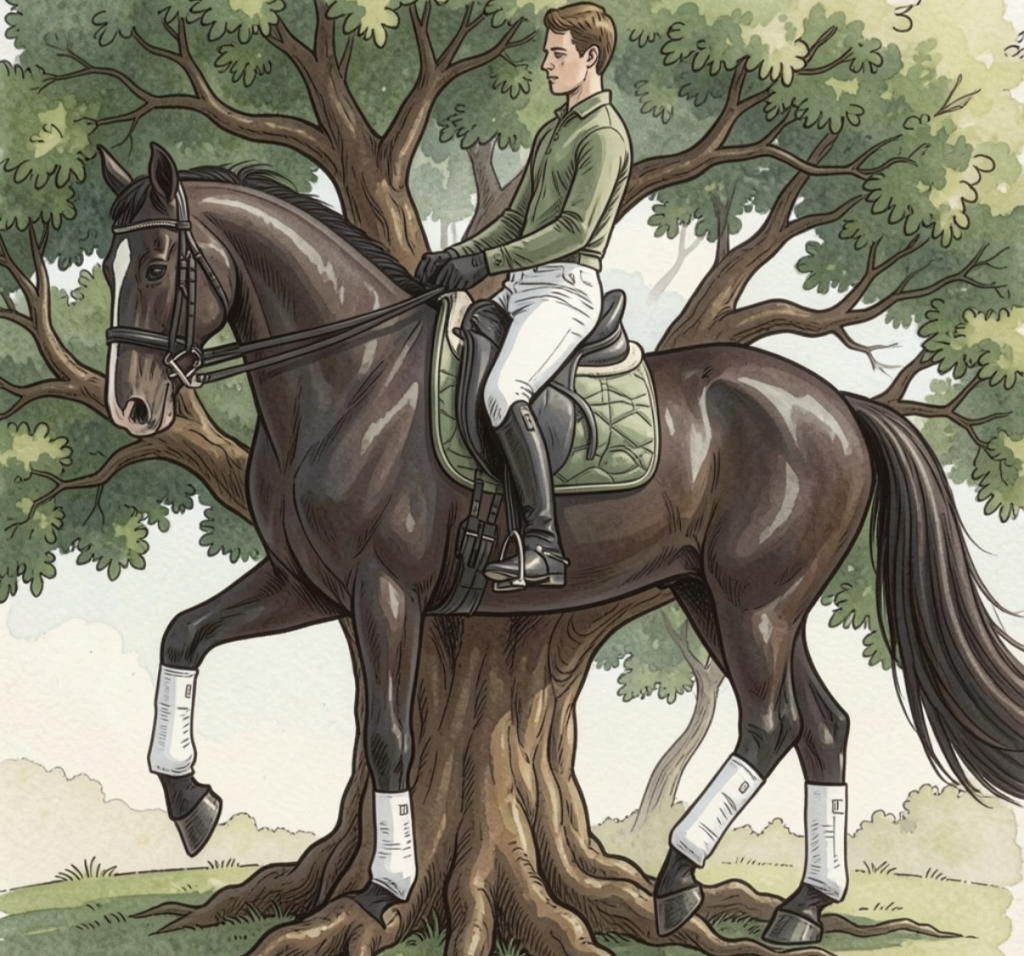
A tree is incredibly stable, but it is not rigid. When the wind blows, the branches move and the trunk bends. The whole tree adapts to the forces acting upon it and yet it stays grounded. That is dynamic stability.
And I think it’s a much better model for the rider’s core than simply thinking about strength.
Your core needs to provide enough support and muscle tone to help you absorb your horse’s movement and transfer forces efficiently through your body. But it also needs to remain adaptable, too little organisation and you collapse, too much and you become rigid.
Neither is particularly helpful when you are sitting on a moving horse.
YOUR CORE DOES NOT WORK IN ISOLATION
Think about everything that’s happening in your body while you are riding.
Your breathing.
Your pelvis is moving.
Your hips are absorbing movement.
Your ribs are responding.
Your shoulders need to remain free.
Your body is adjusting to every stride.
And somehow, all of this needs to happen while you remain balanced and connected to your horse. That’s why coordination is a much more useful word than strength.
Your breathing, pressure, timing, ribs, shoulders, pelvis, and hips all need to work together as an organised system.

STRONGER ISN’T ALWAYS BETTER
This is where we sometimes get confused. If someone tells you that you need a stronger core, it’s tempting to go away and do hundreds of sit-ups or spend hours doing planks.
Those exercises may make you stronger, but riding requires something more, it requires responsiveness.
Imagine trying to ride with your entire torso braced like a plank of wood. You might feel strong, but how easily could you respond to your horse?
What happens when the stride changes?
When your horse accelerates?
When they stumble?
When they lengthen?
When they suddenly move sideways?
A rider who is rigid may have plenty of strength, but not necessarily the ability to adapt.
The best riders are not necessarily those with the strongest abdominal muscles, they are the riders whose bodies can respond.
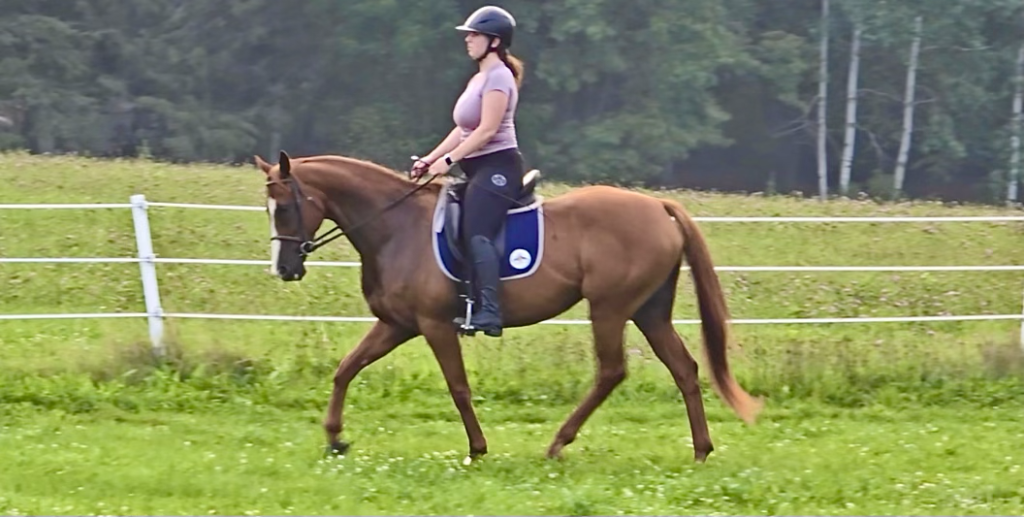
They can absorb a transition, adjust their balance, allow movement through their bodies, and remain organised without collapsing or becoming rigid.
SO PERHAPS WE NEED TO CHANGE THE QUESTION
Instead of asking: “How strong is my core?”
Perhaps ask:
“How well organised is my core?”
Can you create stability without gripping?
Can you breathe while staying connected?
Can you absorb movement without collapsing?
Can you change your balance without losing your organisation?
Can you allow your body to respond rather than brace? Because ultimately, that is what we are looking for. Not a rigid rider, not a floppy rider, a responsive rider.
Perhaps it’s time we stopped thinking so much about core strength and started thinking about core organisation.
Because when you’re riding, your core isn’t there to stop your movement, it’s there to help you move well; and perhaps that’s what “engage your core” should really mean.
Enjoy your riding.
To Ask Questions About This Article, or Leave Comments, Please Use The Forum Below!